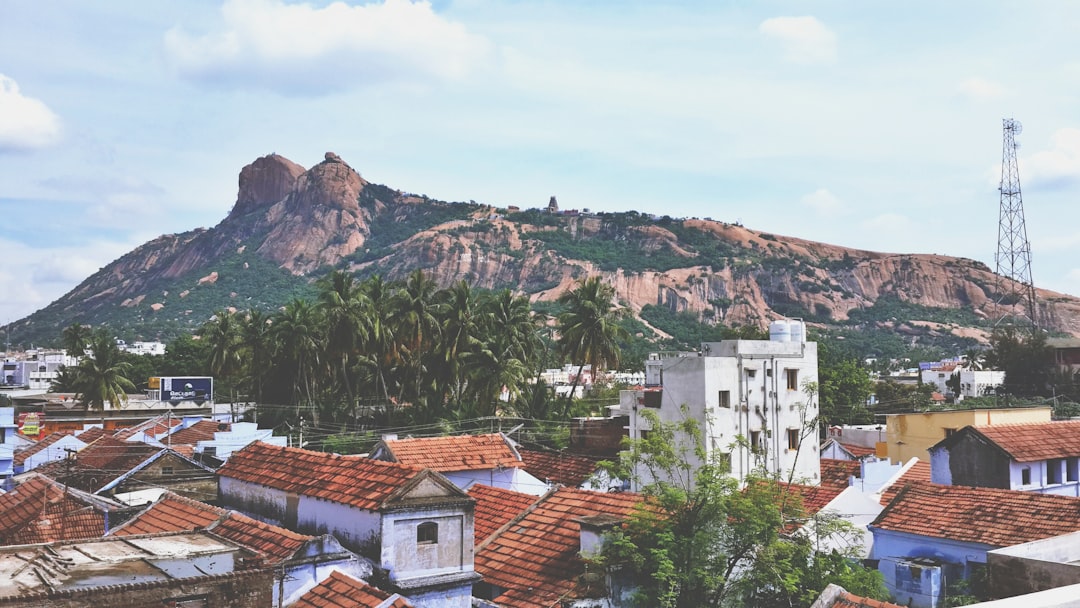
Actor-turned-politician Vijay marked his first day as Tamil Nadu's Chief Minister with an announcement that epitomizes India's competitive welfare politics: 200 units of free electricity monthly for every household, a scheme that will cost the state exchequer an estimated ₹80,000 crore annually.
The program, announced alongside new women's safety initiatives and education reforms, signals Vijay's intention to outbid rival parties in the state's well-established pattern of populist spending. Tamil Nadu, with 80 million residents and one of India's strongest state economies, has long led the nation in welfare schemes—from free laptops for students to subsidized meals programs that predate independence.
The financial arithmetic is staggering. At ₹80,000 crore per year, the free power scheme alone represents roughly 15% of Tamil Nadu's total annual budget. State electricity distribution companies already operate at significant losses, and this program will require either substantial increases in tariffs for commercial and industrial users or direct subsidies from the state treasury—likely both.
Economists are divided on whether such programs represent genuine development or electoral bribery dressed as welfare. "The question is not whether people need support, but whether direct cash transfers would be more efficient than subsidizing consumption," noted one Chennai-based economist who requested anonymity. "When you make electricity free, you remove the price signal that encourages conservation. In a water-stressed state facing climate challenges, that's concerning."
Defenders of the scheme argue that electricity access is fundamental to economic opportunity, particularly for poor households where high power bills force difficult choices between education, healthcare, and other needs. Tamil Nadu's relatively strong power infrastructure makes such a program more feasible than in states with chronic supply shortages.
The announcement continues a pattern visible across Indian states where competitive electoral politics drive welfare expansion. Delhi pioneered free power schemes, followed by Punjab, Rajasthan, and now Tamil Nadu. Each state's ruling party attempts to outdo rivals, creating a ratchet effect where welfare schemes expand but rarely contract, regardless of fiscal sustainability concerns.