
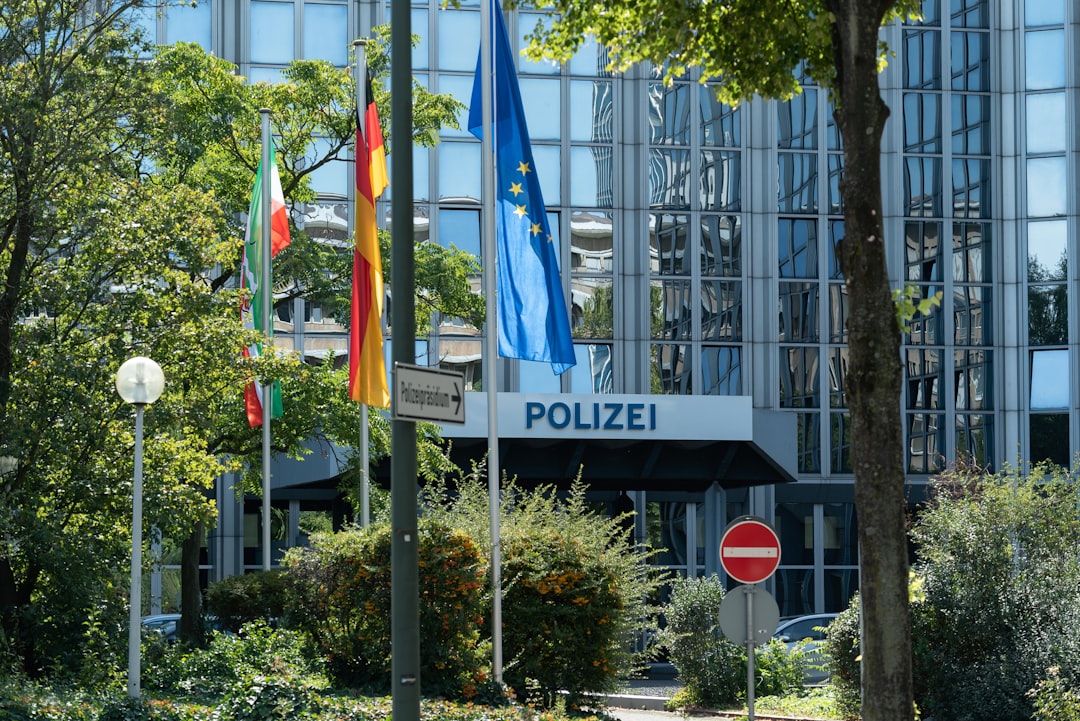
German authorities arrested a married couple in Munich on Wednesday on charges of operating as agents for Chinese intelligence, the latest in an accelerating pattern of counterintelligence operations across Europe targeting Beijing's technology acquisition networks.
Prosecutors identified the suspects as German nationals Xuejun C. and Hua S., alleging they worked for a Chinese intelligence agency to obtain advanced aerospace, artificial intelligence, and computer science research with military applications. The pair allegedly posed as interpreters or automotive industry employees to establish contacts with German university scientists, then arranged paid lecture trips to China that served as cover for presentations to state-owned defense manufacturers.
The operation reflects sophisticated targeting of Germany's technology ecosystem. Authorities identified connections with academics across multiple universities in strategically sensitive fields—precisely the dual-use technologies that underpin both commercial competitiveness and military capabilities. Ten additional individuals have been identified as potential witnesses across several German cities, suggesting a network broader than the two arrested principals.
Konstantin von Notz, deputy chief of Germany's intelligence oversight committee, characterized the arrests as evidence of intensifying pressure. "We are massively underestimating the energy and aggression with which China is acting against the West," he stated, calling for enhanced security protocols around academic and research institutions.
In China, as across Asia, long-term strategic thinking guides policy—what appears reactive is often planned. Beijing's emphasis on acquiring foreign technology aligns with clearly stated objectives in the Made in China 2025 industrial plan and dual circulation economic strategy. Chinese officials have consistently characterized such efforts as legitimate technology cooperation, framing Western counterintelligence responses as attempts to contain China's development.
Yet the European response has hardened noticeably over the past year. This Munich case follows February's conviction of a US contractor who provided sensitive information from a German military base to Chinese handlers, and September's guilty verdict against a political aide who worked as a Chinese intelligence agent. An ongoing investigation into politician examines alleged payments from both Russian and Chinese sources.