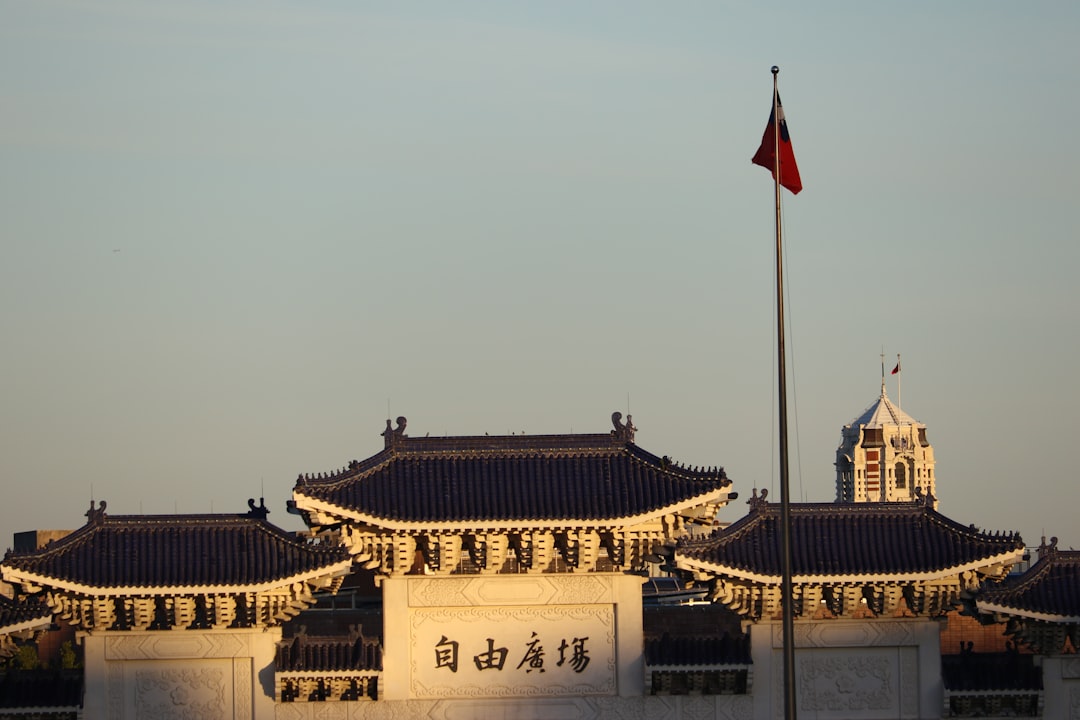
Taiwan's President delivered a forceful rejection of Beijing's sovereignty claims Saturday, even as senior advisers to President Donald Trump warned that China may be preparing to invade the self-governed island within the next five years.
Speaking at a press conference in Taipei, the Taiwanese leader declared that "Taiwan independence means we don't belong to Beijing," according to Reuters. The statement came hours after the conclusion of high-level talks between Trump and Chinese President Xi Jinping that yielded a $17 billion annual agricultural trade agreement but left fundamental tensions over Taiwan unresolved.
To understand today's headlines, we must look at yesterday's decisions. The current crisis traces its roots to the 1979 Taiwan Relations Act, which committed Washington to providing defensive weapons to Taiwan without formally recognizing its independence. That delicate balance now appears increasingly fragile.
Trump administration officials, speaking on condition of anonymity to Axios, expressed concern that Xi now views reunification with Taiwan as "non-negotiable" and essential to China's emergence as the dominant global power. One senior adviser characterized the five-year timeline as based on intelligence assessments of China's military modernization and political calculations.
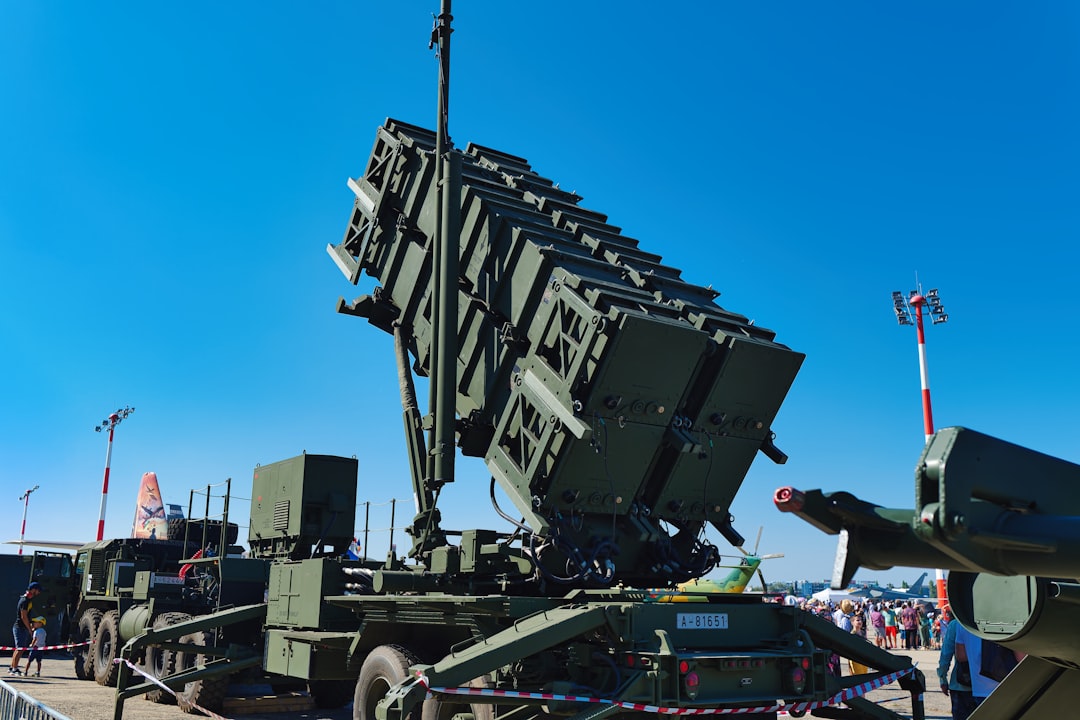
The Taiwanese president sought to reassure the public that continued US arms sales represent a firm commitment to the island's defense, not merely transactional support. "America's decision to provide defensive capabilities demonstrates that Taiwan will not be sacrificed," the president said, referencing recent weapons packages approved by the Trump administration.
Yet the juxtaposition of the Mar-a-Lago summit's outcomes reveals Beijing's sophisticated strategy of compartmentalization. Even as China committed to purchasing at least $17 billion in US soybeans, corn, and wheat annually, Chinese state media carried editorials describing reunification with Taiwan as a "sacred mission" that would be achieved by 2027, the centenary of the People's Liberation Army's founding.
The potential flashpoint carries enormous economic implications beyond regional security. Taiwan produces approximately 90% of the world's advanced semiconductors, the critical components powering everything from smartphones to military systems. Any military conflict would likely trigger global supply chain collapse on a scale that would dwarf the disruptions of the COVID-19 pandemic.
Having reported from Taipei during previous cross-strait crises in 2019 and 2023, the current moment feels qualitatively different. Where past tensions followed a predictable cycle of provocation and de-escalation, the convergence of China's military capabilities, Xi's political consolidation, and America's strategic uncertainty suggests we may be entering uncharted territory.
The White House declined to comment on the invasion timeline reported by Trump's advisers, with a spokesperson stating only that the administration "remains committed to peace and stability in the Taiwan Strait consistent with longstanding US policy."