Every smartphone in your pocket, every car on the road, every data center powering the internet—all depend on a single geographic chokepoint that could be severed in days. That vulnerability is Taiwan.
To understand today's headlines, we must look at yesterday's decisions. For decades, Silicon Valley's concentration of chip production in Taiwan made economic sense. Today, it represents what security analysts call an existential geopolitical risk.
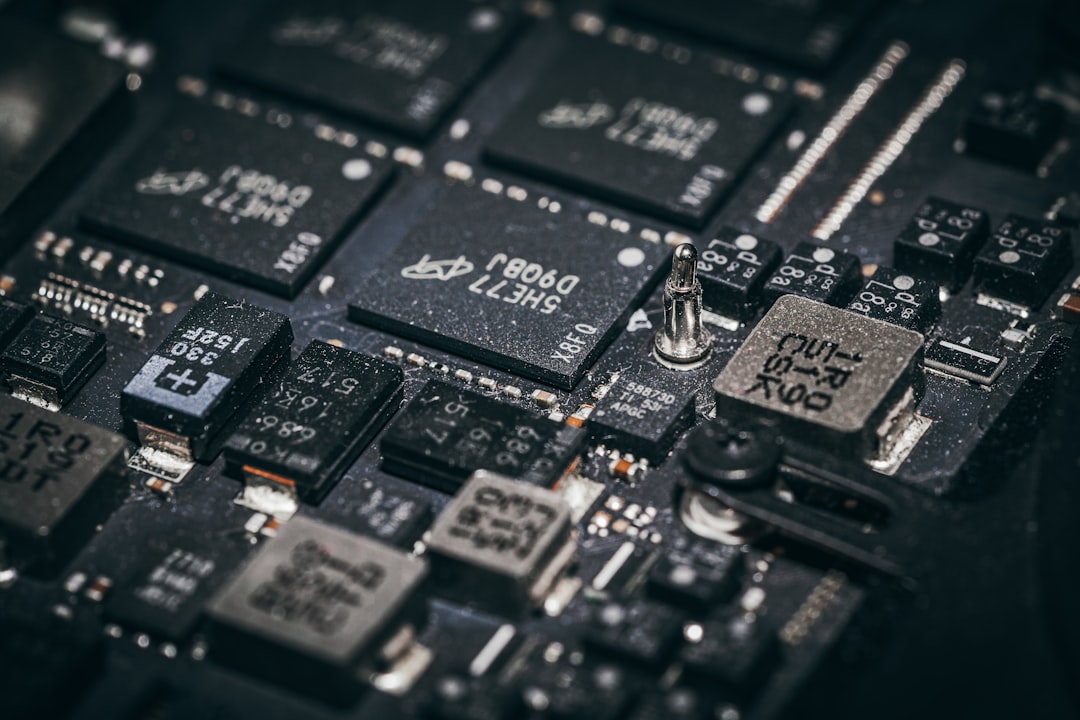
Taiwan Semiconductor Manufacturing Company (TSMC) produces over 90% of the world's most advanced semiconductors—the chips that power everything from artificial intelligence systems to military hardware. This concentration makes the island not merely a flashpoint in U.S.-China tensions, but a potential trigger for global economic catastrophe.
"If Taiwan's chip production were disrupted for even six months, we would see cascading failures across virtually every sector of the modern economy," said Chris Miller, author of "Chip War" and professor at Tufts University. "This is not hypothetical—it's a when, not if, scenario that policymakers have long ignored."
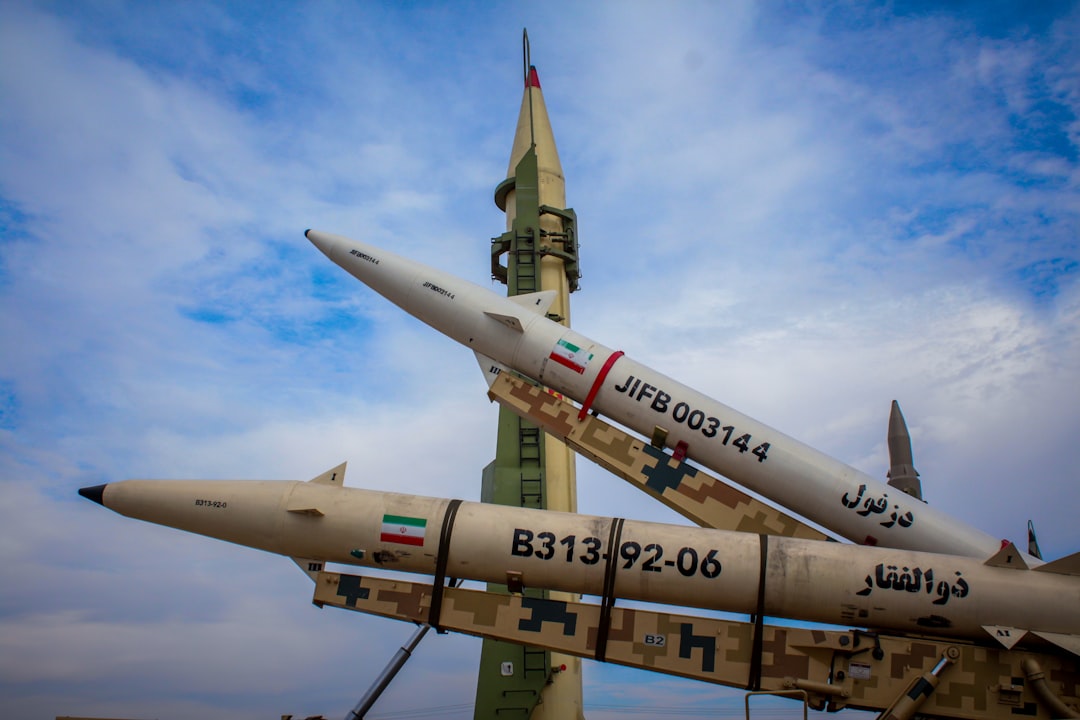
The strategic implications have crystallized as tensions between Beijing and Taipei intensify. China claims Taiwan as its territory and has not ruled out military force to achieve reunification. Chinese military exercises around the island have become increasingly frequent and sophisticated.
A conflict over Taiwan would not be a regional war—it would be a global semiconductor crisis. Automotive production would halt within weeks as chip inventories depleted. Consumer electronics manufacturing would collapse. Even basic appliances and medical devices would face shortages.
The United States has recognized this vulnerability belatedly. The CHIPS Act, passed in 2022, allocated $52 billion to rebuild domestic semiconductor manufacturing. TSMC itself is constructing advanced fabrication facilities in Arizona. South Korea, Japan, and European Union members have launched similar initiatives.
But the timeline is measured in decades, not years. Building cutting-edge semiconductor fabs requires 3-5 years minimum. Developing the ecosystem of suppliers, skilled workers, and support industries takes longer. TSMC's Arizona facility, originally scheduled to begin production in 2024, has faced delays and will produce only a fraction of the company's Taiwan output.
"We're trying to unwind 40 years of specialization in less than a decade," said Willy Shih, professor at Harvard Business School. "The physics and economics of semiconductor manufacturing don't bend easily to political will."
The vulnerability extends beyond production. Taiwan's chip industry depends on equipment from Netherlands-based ASML, chemicals from Japan, and designs from U.S. firms. The supply chain is irreducibly global, making complete autarky impossible for any nation.
Military planners now game out scenarios. A Chinese blockade of Taiwan would not require invasion—simply preventing shipments of chips would impose immediate costs. Even the threat of conflict creates supply uncertainty that ripples through global markets.
Some analysts argue this interdependence serves as deterrence. China itself depends heavily on Taiwanese chips, particularly for its technology sector and military modernization. Disrupting that supply would damage Beijing's own interests.
But that logic assumes rational cost-benefit calculation persists during crisis. History offers cautionary examples where economic interdependence did not prevent conflict—Europe in 1914 being the most catastrophic case.
For Silicon Valley, the reckoning is uncomfortable. The industry's pursuit of efficiency and specialization created remarkable innovation and cost reduction. It also created a single point of failure in one of the world's most contested territories.
"We optimized for economics and ignored geopolitics," acknowledged one semiconductor industry executive, speaking on condition of anonymity. "Now we're paying the price of that myopia."
The chip shortage during COVID-19 offered a preview of what full disruption would entail. Automotive manufacturers idled plants. Consumer prices spiked. That shortage resulted from demand fluctuations, not supply destruction. A Taiwan crisis would be an order of magnitude more severe.
As geopolitical tensions rise, the world confronts an awkward truth: the digital economy runs on a foundation concentrated in a territory of 23 million people, 100 miles from a superpower that considers it a renegade province. The semiconductor supply chain is not merely an economic issue—it is the central strategic vulnerability of the 21st century.
Efforts to diversify production are underway, but the clock is ticking. Whether those efforts proceed faster than geopolitical deterioration will determine not just Taiwan's fate, but the trajectory of the global economy for decades to come.