After a decade-long drought that devastated Syria and Iraq, the region now confronts the opposite problem: rapidly rising water levels that threaten war-damaged dam infrastructure and force emergency coordination between countries that barely speak to each other.
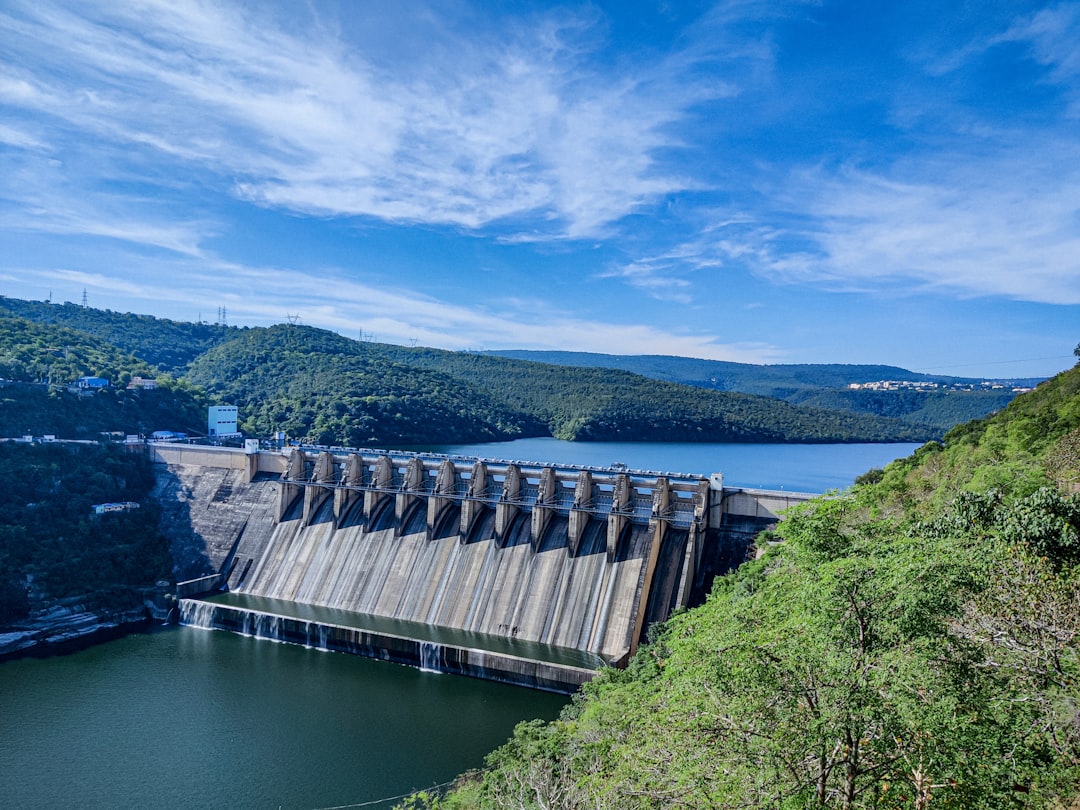
Dams across the Tigris and Euphrates river systems are now at or near capacity, with Syrian authorities reducing water flow rates by 100 cubic meters per second through partial closure of spillway gates. Bridges over the Euphrates have been taken out of service due to flooding, and approximately 2,400 families in Deir Ezzor have required evacuation or protective measures.
The reversal has been dramatic. Groundwater levels in eastern Syria had declined by up to 60 percent during the drought. Iraq's Mosul Dam water levels dropped dangerously low, while Lake Tharthar dried out entirely. In Iran, Lake Urmia completely disappeared.
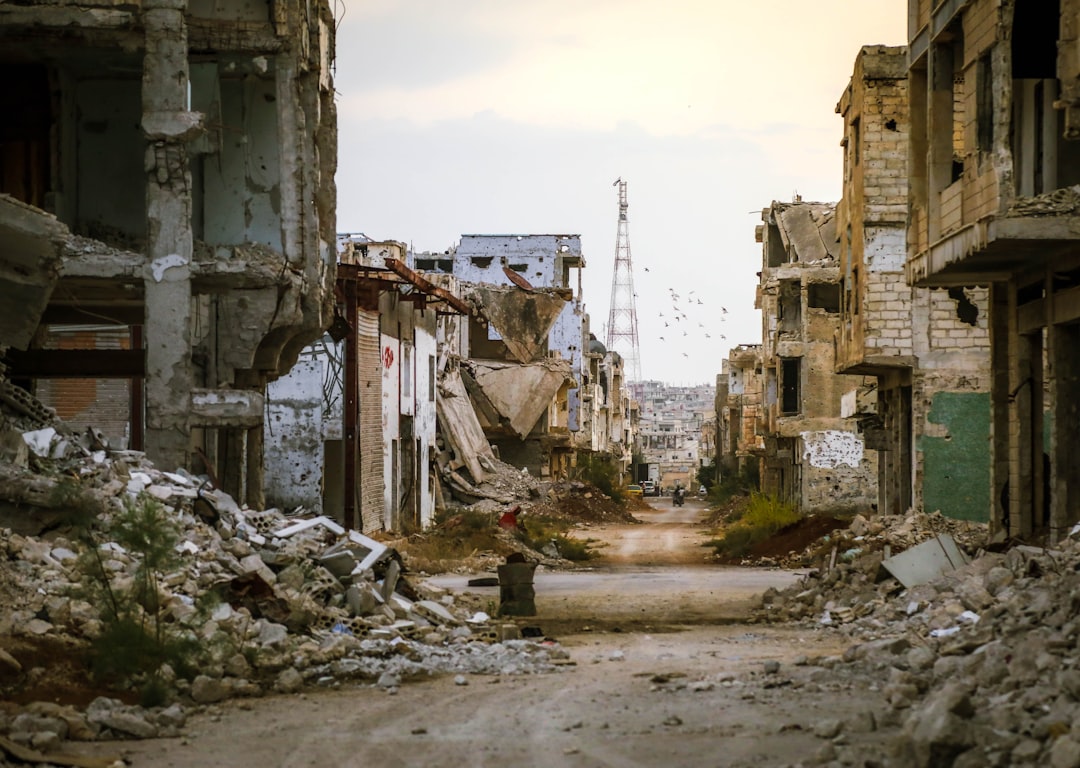
Now those same reservoirs are filling rapidly, exposing infrastructure weaknesses created by years of conflict and neglect. Syria's dams, already compromised by wartime damage and deferred maintenance, face stress testing they may not pass.
Syrian and Turkish officials have coordinated to manage water flows, according to Damascus' Ministry of Energy. "The efforts made by the Syrian side in conjunction with the Turkish" reduced incoming water quantities and addressed dangerously high river levels in Raqqa and Deir Ezzor provinces, state media reported.
The coordination represents rare functional cooperation between Ankara and Damascus, despite Turkey maintaining military presence in northern Syria and backing opposition forces. Water transcends politics when dam failures could devastate millions downstream.
Hydrological engineers have raised concerns about whether Syria's infrastructure can handle sustained high flows. The Tabqa Dam, which holds back Lake Assad on the Euphrates, developed structural issues during the civil war when fighting occurred around the facility. Any failure would be catastrophic for Raqqa and communities downriver.
The flooding also complicates Syria-Turkey water politics. Ankara controls upstream flow on both the Tigris and Euphrates through its massive dam network. During the drought, Syrian officials accused Turkey of withholding water; now Syria requests Turkey reduce flows while managing its own reservoir capacities.
Regional climate experts note that the current reversal does not indicate permanent climate stabilization. "We're seeing high variability, which is itself a climate change indicator," noted one regional hydrologist. "Extreme droughts followed by extreme floods stress infrastructure and make agricultural planning impossible."
For now, Syrian authorities report water levels have stabilized. But the episode demonstrates that in a region shaped by water scarcity for millennia, too much water can be just as dangerous as too little—especially when the infrastructure meant to control it has been shattered by war.