
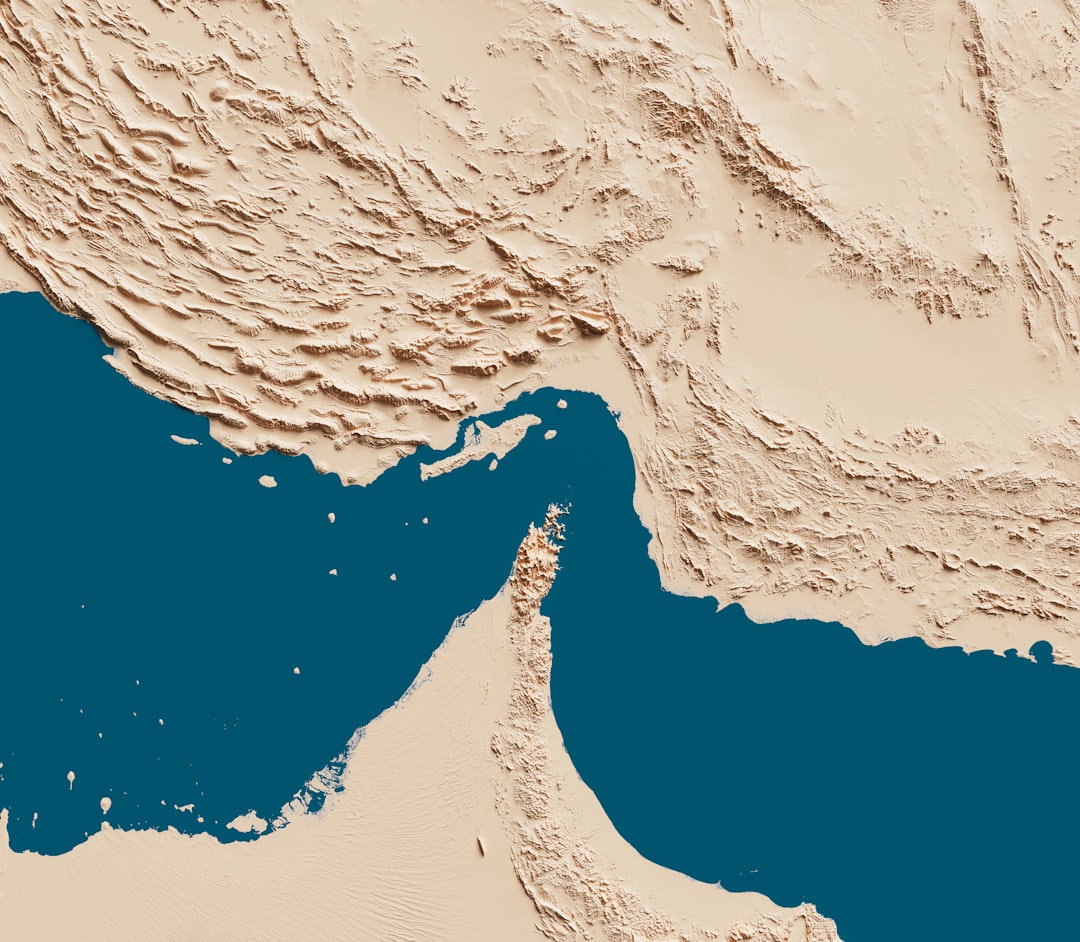
Iran has suspended negotiations with the United States and vowed to "completely" block the Strait of Hormuz, according to state media reports, escalating a regional crisis that threatens global energy supplies and places Israel at the center of intensifying military tensions.
The diplomatic breakdown came hours before US forces launched retaliatory strikes on Iranian military sites following Iranian attacks on American troops in Kuwait. The escalating cycle of strikes and counter-strikes marks the most serious US-Iranian confrontation since the assassination of Qassem Soleimani in 2020.
Tehran accused the Trump administration of violating the terms of ceasefire talks, citing ongoing Israeli military operations in Lebanon that Iran claims were conducted with US approval. "The American side has shown it is not serious about peace," Iranian Foreign Ministry spokesman Nasser Kanaani said in a statement carried by state news agency IRNA.
The threat to close the Strait of Hormuz—through which roughly 20% of global oil supplies transit—sent immediate shockwaves through energy markets. Crude oil futures jumped 7% in early trading, while shipping insurers began reassessing risk premiums for tanker routes through the narrow waterway between Iran and Oman.
Greek shipping magnate George Procopiou warned Iran that Greeks have "a long history of breaking blockades" and vowed his tanker fleet would continue operations, though maritime security experts questioned whether commercial vessels could safely navigate a contested strait.
For Israel, the escalation creates a complex strategic calculus. Israeli defense officials, speaking on condition of anonymity, expressed concern that a US-Iran military confrontation could trigger coordinated attacks from Iranian proxy forces on multiple fronts—including Hezbollah in Lebanon, militias in Syria, and Houthi forces in Yemen.
"We are monitoring the situation closely and coordinating with US Central Command," an Israeli Defense Forces spokesperson said. "Any widening of the conflict has direct implications for our northern border security and our freedom of action in Syria."
The US strikes targeted Iranian missile production facilities and Revolutionary Guard Corps installations, according to Pentagon officials, in response to what Washington described as an "unprovoked attack" on Kuwait's Camp Arifjan that injured several American servicemembers. The strikes represent a significant escalation from the limited tit-for-tat exchanges that have characterized recent US-Iran tensions.
President Trump dismissed the collapsed negotiations as "very boring" and suggested he was unconcerned about their failure, though State Department officials privately expressed alarm at the breakdown. Some analysts suggest Iran's escalation was timed to influence Senate deliberations on military authorization rather than as a direct response to Trump.
Regional security experts noted that Israel has been quietly preparing for precisely this scenario. The Israeli Air Force conducted large-scale exercises simulating multi-front conflicts last month, and Jerusalem has coordinated with Gulf states on contingency plans for maintaining regional stability if Iran attempts a strait closure.
"In Israel, as across contested regions, security concerns and aspirations for normalcy exist in constant tension," said Yoel Guzansky, senior fellow at the Institute for National Security Studies in Tel Aviv. "But this escalation brings us closer to the regional war scenario we've been working to avoid."
The crisis also threatens to undermine Israel's emerging normalization agreements with Arab states. Saudi Arabia, which had been moving toward diplomatic recognition of Israel, now faces domestic pressure to distance itself from any arrangements that could be seen as aligning with US-Israeli military objectives against Iran.
European diplomats scrambled to preserve the diplomatic track, with France and Germany offering to mediate renewed talks. But Iranian officials indicated no willingness to return to negotiations unless the US halts all military strikes and pressures Israel to cease operations in Lebanon—conditions Washington has categorically rejected.
As of late Sunday, no Iranian vessels had moved to physically block the strait, though Revolutionary Guard speedboats increased patrols in the waterway. US naval forces in the region have been placed on heightened alert, with additional carrier strike group assets reportedly en route to the Persian Gulf.