Sweden announced a 1 billion kronor (approximately €100 million) emergency energy assistance package for Ukraine, targeting critical infrastructure repairs as Russian attacks continue degrading the country's power generation and distribution systems.
The Swedish government authorized the aid package for immediate implementation in 2026, according to Swedish public broadcaster SVT. The funding specifically addresses urgent needs for power grid repairs, heating system maintenance, and water supply infrastructure damaged by ongoing Russian missile and drone campaigns.
Russian forces have systematically targeted Ukrainian energy infrastructure since October 2022, launching waves of strikes designed to leave civilians without electricity, heating, and water during winter months. The campaign has damaged or destroyed significant portions of Ukraine's power generation capacity, forcing rolling blackouts even during the coldest months.
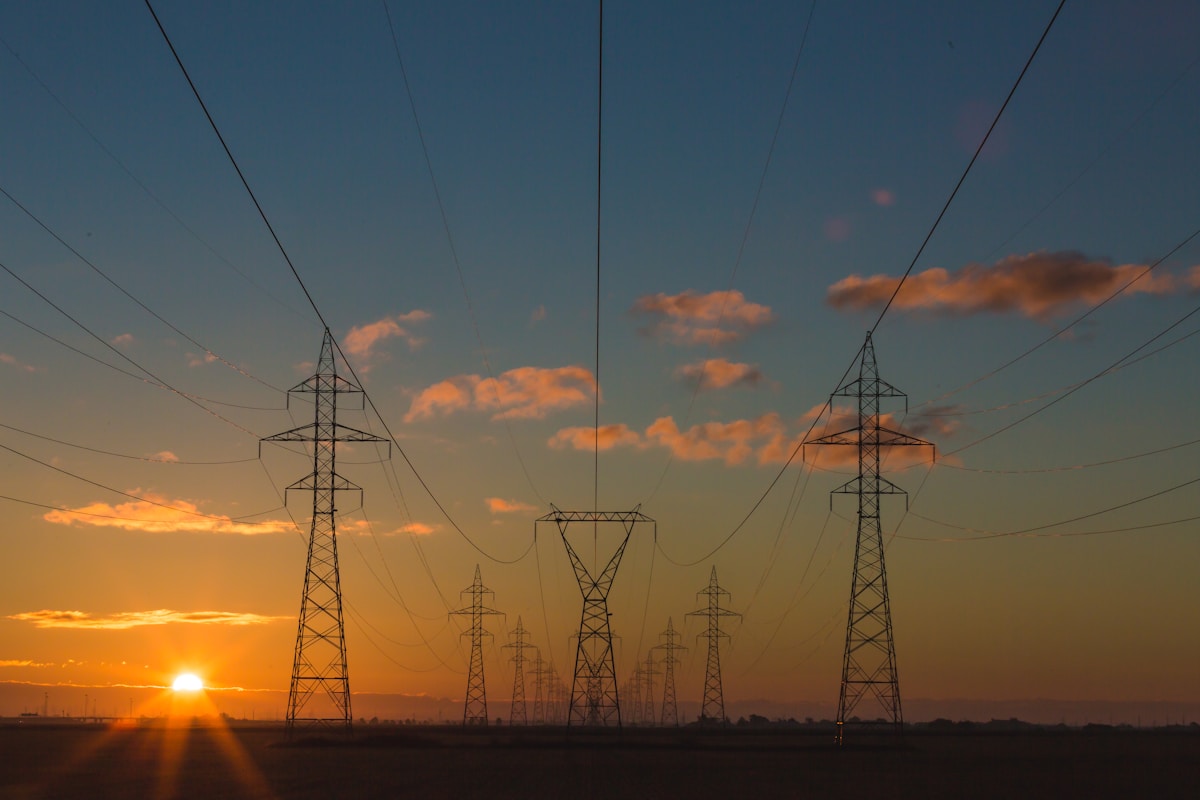
"The primary focus is to alleviate the humanitarian crisis caused by Russian strikes on civilian infrastructure," Swedish officials stated. The funds will support repairs to electrical substations, power transmission lines, heating facilities, and water treatment plants that sustain civilian populations through winter.
Swedish support comes as European nations increasingly coordinate infrastructure assistance to help Ukraine maintain essential services despite ongoing attacks. The aid package ensures that hospitals, schools, and residential areas can maintain basic functionality even as Russian strikes continue.
In Ukraine, as across nations defending their sovereignty, resilience is not just survival—it's determination to build a better future. Ukrainian energy workers have performed extraordinary repairs under dangerous conditions, often restoring power within hours of attacks while facing the threat of follow-up strikes targeting repair crews.
The Swedish assistance represents part of broader Nordic support for Ukrainian resilience. Finland, Norway, and Denmark have similarly provided energy sector aid, recognizing that maintaining civilian infrastructure is essential both for humanitarian reasons and for sustaining Ukraine's defense capabilities.
Ukrainian officials have documented hundreds of Russian strikes on energy facilities, including attacks on thermal power plants, hydroelectric dams, and electrical substations. International humanitarian law prohibits attacks on civilian infrastructure unless it serves military purposes, but Russian forces have targeted facilities with exclusively civilian functions.
The Swedish package includes provisions for rapid deployment, ensuring equipment and technical support reach Ukraine quickly as winter conditions persist. Energy security has emerged as a critical dimension of Ukraine's overall defense strategy, with infrastructure resilience directly affecting both civilian morale and military sustainability.
European coordination on infrastructure support demonstrates sustained commitment to Ukrainian defense even as the conflict enters its third year. While military assistance dominates headlines, maintaining Ukraine's civilian infrastructure ensures that the country can continue functioning as attacks persist.