Travelers planning orangutan trekking in Sumatra are facing an uncomfortable question: are the treks still viable after the devastating floods and landslides that swept through the region?
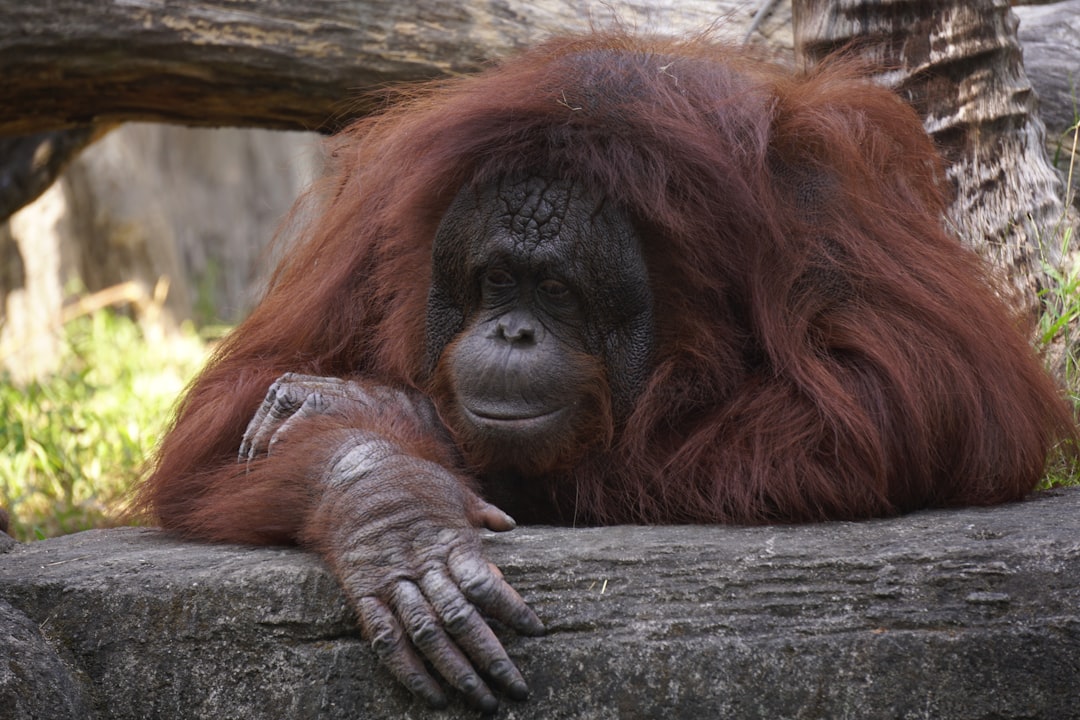
The BBC reported fears that some of the world's rarest great apes may have been swept away in the Sumatran floods, which hit key orangutan habitats in areas like Bukit Lawang and Ketambe.
A backpacker planning a May trip to the region posted on r/backpacking asking whether orangutan sightings are "still as likely" after the disaster.
The answer from recent visitors: it's complicated.
"I was there in late February, just after the floods," one traveler reported. "The jungle is recovering but you can still see the damage. We did see orangutans, but our guide said numbers seem lower."
The floods hit during Sumatra's wet season, when heavy rains triggered landslides across the island. Conservationists have expressed concern about the impact on the critically endangered Sumatran orangutan population, which numbers only around 14,000 individuals.
"These apes were already under pressure from habitat loss," one conservation expert quoted in news reports said. "A natural disaster of this scale could have serious population impacts."
For travelers, the ethical calculation has shifted. Orangutan trekking is a significant revenue source for local communities and conservation efforts - tourism dollars help protect remaining habitat. Staying away could hurt conservation funding.
But the trekking infrastructure has been damaged. Some trails remain closed due to landslide risk. Lodges and guesthouses in Bukit Lawang reported flood damage, though many have reopened.