Spain launched the Paiporta, a modular offshore floating solar installation designed to circumvent land-use limitations that increasingly constrain renewable energy expansion, marking a significant advance in marine photovoltaic technology.
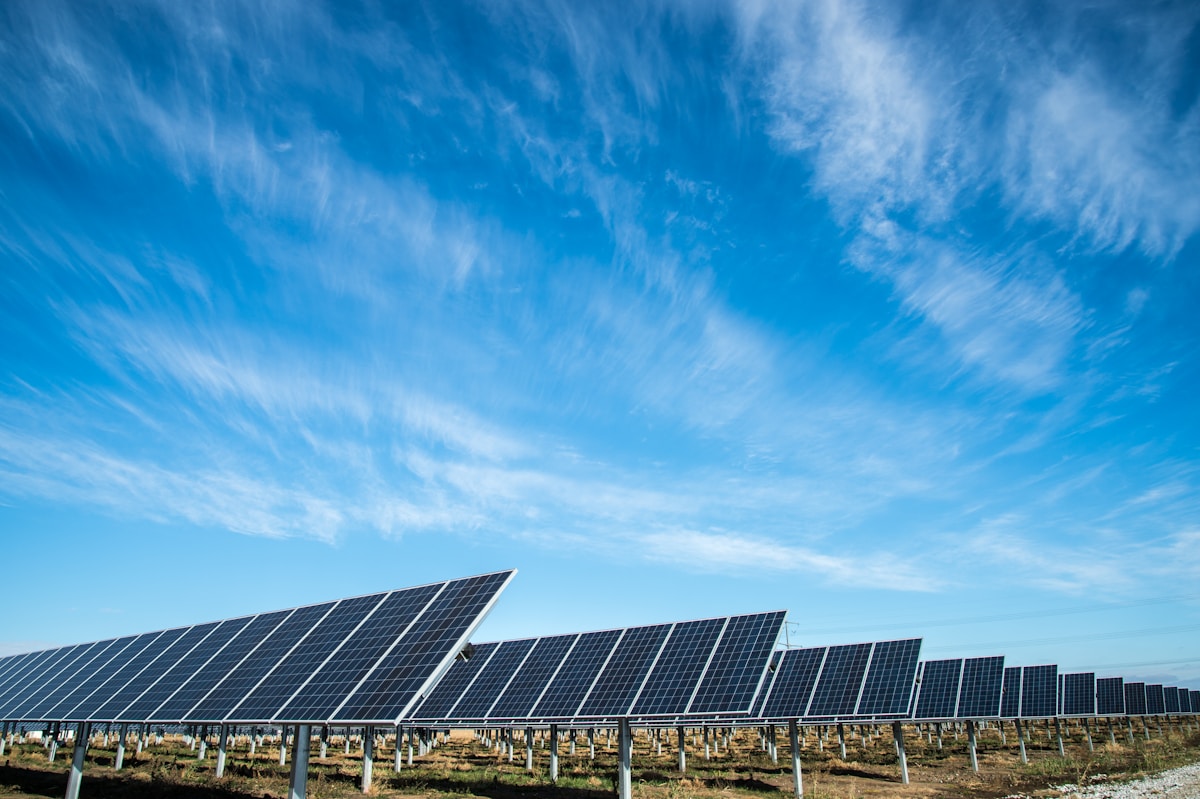
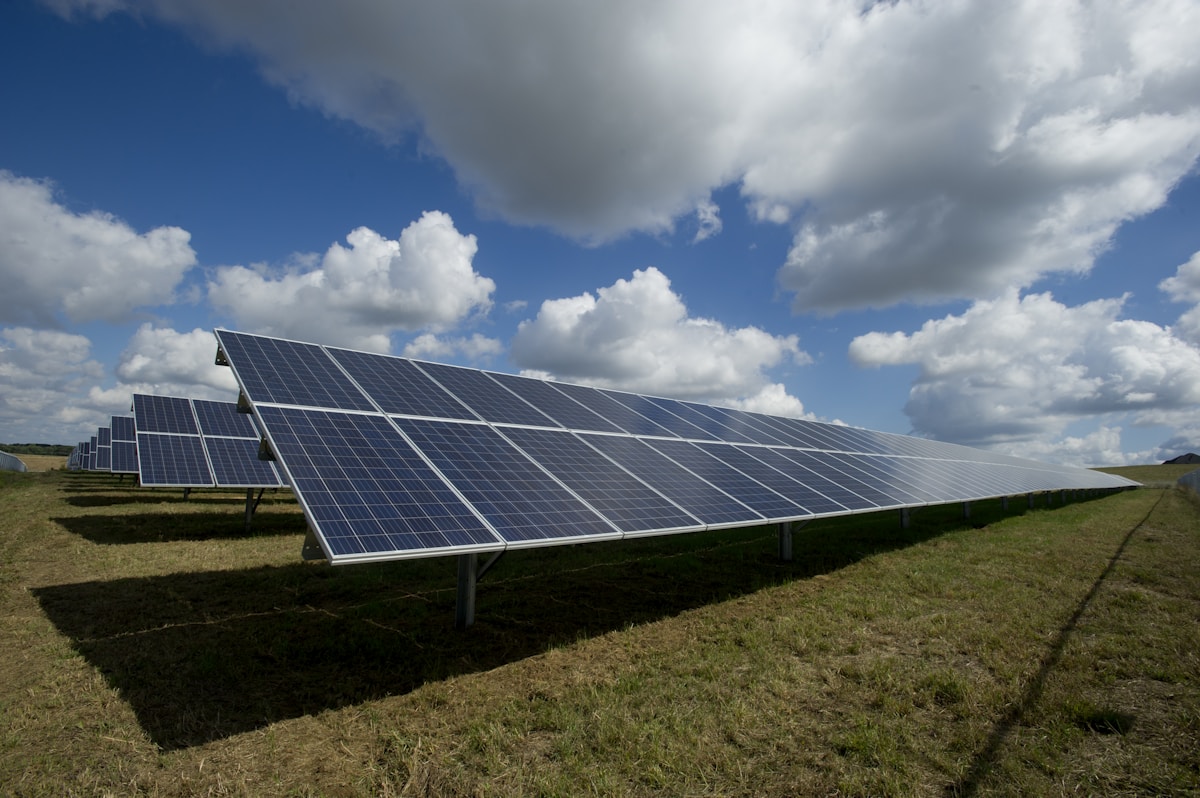
The platform, developed by Tenerife-based BlueNewables, deployed from the San Enrique shipyard in Vigo on May 18, 2026, and will be towed to Valencia for operational validation in open-sea conditions. The system employs bifacial solar panels on floating structures that utilize seawater cooling to enhance power output—addressing both efficiency and spatial constraints simultaneously.
"Growing competition for available land" represents a critical bottleneck for solar expansion, particularly in densely populated European nations where agricultural, residential, and conservation priorities compete for finite territory. Offshore installations access underutilized marine areas while avoiding the land-use conflicts that delay or prevent terrestrial projects.
Bernardino Couñago, BlueNewables CEO, stated the launch "placed BlueNewables among the world leaders in the marine floating solar" sector, emphasizing Spain's industrial capabilities in innovative energy solutions. The platform represents the first deployment of the company's PhotoVoltaic-BlueNewables Offshore Solutions (PV-bos) system, developed with support from Spain's Institute for Energy Diversification and Saving through the RENMARINAS program.
The technology's most significant climate potential lies in hybrid renewable integration—combining floating solar with offshore wind farms to maximize energy generation from single locations. Wind and solar generation profiles complement each other temporally: wind power often peaks during evening hours and winter months when solar output diminishes, while solar delivers maximum generation during midday and summer periods. Shared offshore infrastructure reduces costs and environmental impact compared to separate installations.
Named for victims of the October 29, 2024 DANA storm that devastated Spain's Valencian Community, the Paiporta carries symbolic weight beyond its technical innovation. Climate-driven extreme weather events increasingly demonstrate the urgency of accelerating renewable deployment—even as those same events complicate infrastructure development.
In climate policy, as across environmental challenges, urgency must meet solutions—science demands action, but despair achieves nothing. The Paiporta demonstrates how engineering innovation can circumvent constraints that appear to limit renewable expansion, transforming offshore waters from unused space into productive clean energy infrastructure.
The platform's operational validation phase will provide crucial performance data for scaling marine solar technology. Success could accelerate offshore solar deployment across Europe's extensive coastlines and support the continent's 2030 renewable energy targets, which require unprecedented installation rates to meet climate commitments under the Paris Agreement.
Whether floating solar achieves commercial viability at scale depends on factors beyond technical performance—permitting frameworks, grid connection infrastructure, maintenance costs in marine environments, and integration with existing offshore wind projects. The Paiporta's real-world performance will help answer these questions, providing evidence for policymakers evaluating offshore renewable potential.