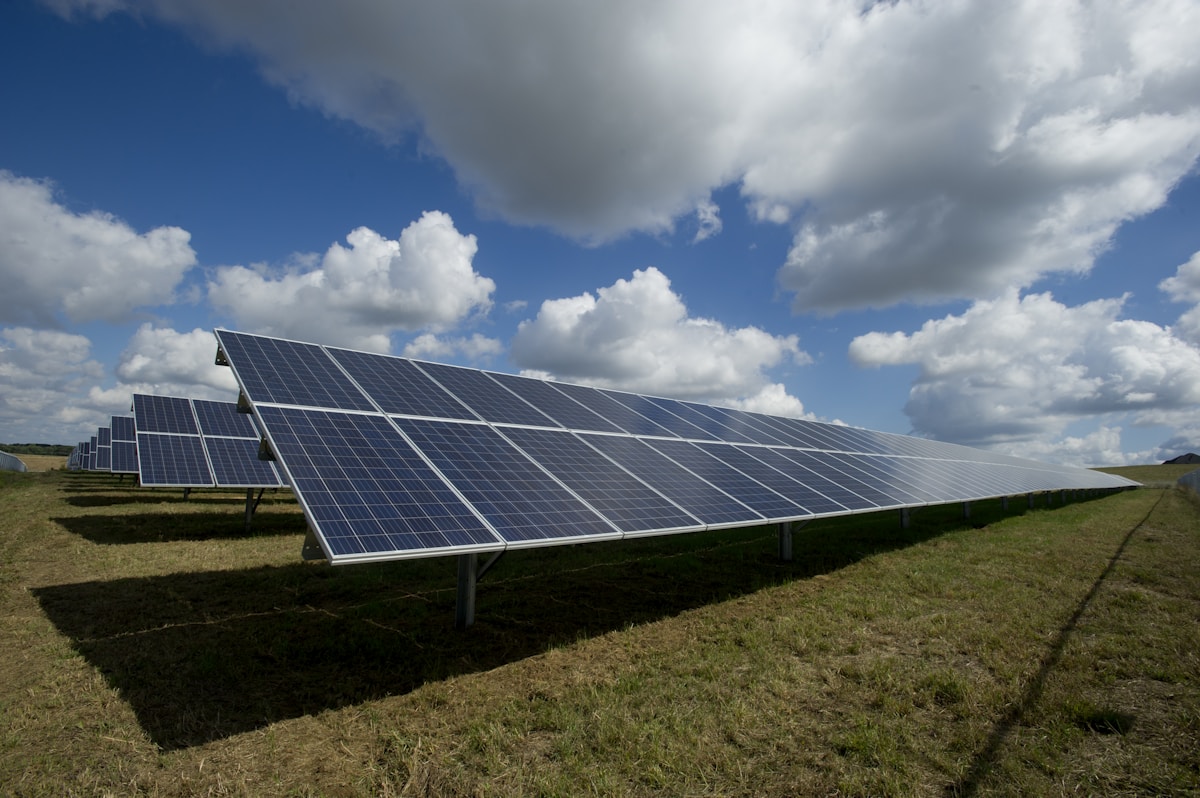
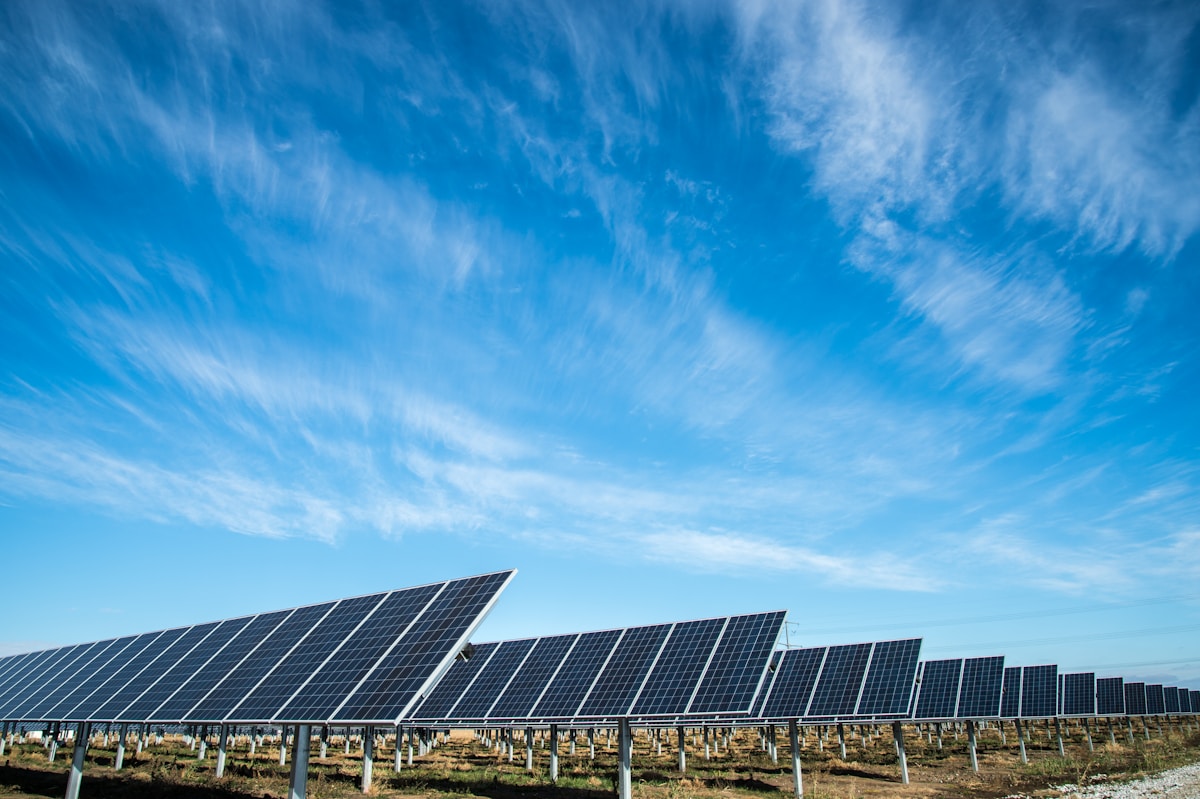
Australia demonstrates that decentralized renewable energy can deliver lower electricity bills even as global energy costs surge from data center expansion and geopolitical conflict—offering a replicable model for energy independence and climate action.
While war in the Middle East and artificial intelligence infrastructure drive electricity costs upward across most developed nations, Australia's household solar and battery adoption achieves the opposite trajectory. The contrast illustrates how distributed energy systems can insulate consumers from both fossil fuel price volatility and centralized power demand spikes.
The Australian model combines three elements: widespread rooftop solar installation, residential battery storage, and policy frameworks that enable households to sell excess generation back to the grid at favorable rates. This creates economic incentives for renewable adoption independent of climate concern—households adopt solar-plus-storage because it reduces costs and provides energy security.
Australia leads globally in per-capita solar installation, with more than one-third of households operating rooftop systems. Battery adoption accelerates as prices decline and grid electricity costs rise, creating a reinforcing cycle: more distributed generation reduces grid demand, enabling further household energy independence.
The timing proves significant. Data centers supporting AI model training and inference consume unprecedented electricity volumes, straining grid capacity and driving rate increases across North America, Europe, and parts of Asia. Households without distributed generation bear these costs through higher bills; those with solar-plus-storage largely avoid them.
This represents climate justice in action—technology and policy enabling ordinary households to access clean energy benefits rather than concentrating advantages among wealthy consumers or corporations. Yet the Australia model's replicability faces constraints: high solar irradiance, detached housing stock suitable for rooftop panels, and supportive regulatory frameworks don't exist everywhere.
In climate policy, as across environmental challenges, urgency must meet solutions—science demands action, but despair achieves nothing. The Australia case demonstrates that renewable transition can deliver immediate economic benefits rather than requiring sacrifice, fundamentally changing the political economy of climate action.
Dense urban areas face different challenges. Apartment buildings and multi-family housing require different approaches—community solar, building-integrated photovoltaics, or enhanced grid renewable sourcing. The Australia success shouldn't obscure these limitations, but neither should limitations diminish what works.
Energy independence carries geopolitical implications beyond household bills. Nations reducing fossil fuel dependence decrease exposure to price shocks from Middle East conflicts, Russia-Ukraine tensions, or OPEC production decisions. Distributed renewable generation enhances grid resilience against both physical attacks and cyberattacks, as decentralized systems lack single points of failure.
The data center challenge persists regardless. AI development demands enormous computational resources, and that computation requires electricity. Some data center operators deploy on-site renewable generation or purchase dedicated clean energy, but capacity expansion outpaces renewable deployment. Without policy intervention, AI's energy footprint threatens to overwhelm grid decarbonization gains.
Australia's household battery revolution doesn't solve that problem—but it demonstrates that residential consumers need not bear its costs. Whether other nations implement similar frameworks depends on political will, utility industry resistance, and recognition that energy democracy supports both climate goals and economic fairness.