Spain Accuses Germany of Acting Like 'Vassal' to United States in Rare Diplomatic Clash
Spain's government has publicly accused Germany of acting like a vassal state to the United States, marking an extraordinary diplomatic rupture between two major EU powers. The Spanish criticism highlights deepening tensions within the European Union over transatlantic relations and defense policy, particularly as the bloc grapples with its role amid renewed global conflicts.
Madrid has publicly accused Berlin of acting like a "vassal state" to the United States, marking one of the sharpest diplomatic ruptures between major EU powers in recent memory.
The extraordinary language from the Spanish government exposes a deepening fracture within the European Union over transatlantic relations, defense policy, and the bloc's capacity for strategic autonomy - particularly as tensions with Iran escalate and questions about American reliability intensify.
The Spanish accusation represents more than diplomatic theater. It crystallizes a fundamental question that has haunted Brussels for years: Can Europe speak with one voice on foreign policy when its largest economy is accused of prioritizing Washington's interests over European unity?
What Prompted the Clash
The Spanish criticism comes amid renewed debate over European defense posture and transatlantic coordination. The timing is particularly significant given the current Iran crisis and ongoing discussions about European military capabilities independent of NATO structures.
German foreign policy has long navigated the tension between European integration and the transatlantic alliance. But Madrid's use of the term "vassal" - evoking feudal subservience - represents a dramatic escalation in rhetoric between two countries that have generally maintained cordial relations within EU institutions.
For Spanish officials, the accusation reflects frustration that German decision-making on critical security matters appears to defer to American preferences rather than European consensus. It's a charge that resonates with similar critiques from Paris and other capitals that have pushed for greater European "strategic autonomy" - Brussels-speak for the ability to act independently of Washington when European interests diverge from American ones.
The Spain-Germany clash exposes the EU's central strategic dilemma. Since the return of great power competition and renewed focus on European defense, member states have split into roughly three camps.
First, the "Atlanticists" - led by Poland, the Baltic states, and traditionally Germany - who view American security guarantees as non-negotiable and worry that talk of European autonomy could weaken NATO.
Second, the "autonomists" - championed by France and increasingly Spain - who argue that Europe must develop independent military and diplomatic capabilities to protect European interests when they diverge from American priorities.
Third, the pragmatic middle, including the Netherlands and Scandinavian countries, who want both strong transatlantic ties and greater European capacity.
German Chancellor Olaf Scholz has attempted to straddle these positions, declaring a "Zeitenwende" - or historic turning point - in German defense policy while maintaining close coordination with Washington. But for critics in Madrid, this balancing act increasingly looks like subordination.
Iran Crisis Context
The diplomatic rupture could not come at a worse moment for European unity. With the Iran crisis escalating and American policy toward Tehran hardening, European capitals face stark choices about whether to align with Washington's approach or pursue independent diplomatic channels.
The EU has long prided itself on maintaining diplomatic engagement with Iran even when relations with Washington deteriorated. The 2015 Iran nuclear deal, which the United States withdrew from in 2018, represented a rare instance of European diplomatic independence.
Now, with renewed tensions, the question is whether Europe will chart its own course or fall in line with American policy. Spanish officials evidently believe Germany has already made its choice - and it wasn't Brussels.
Implications for EU Cohesion
This public airing of transatlantic disagreements undermines the EU's already fragile common foreign policy. On issues from China trade to Middle East diplomacy to defense spending, the bloc struggles to present a unified position.
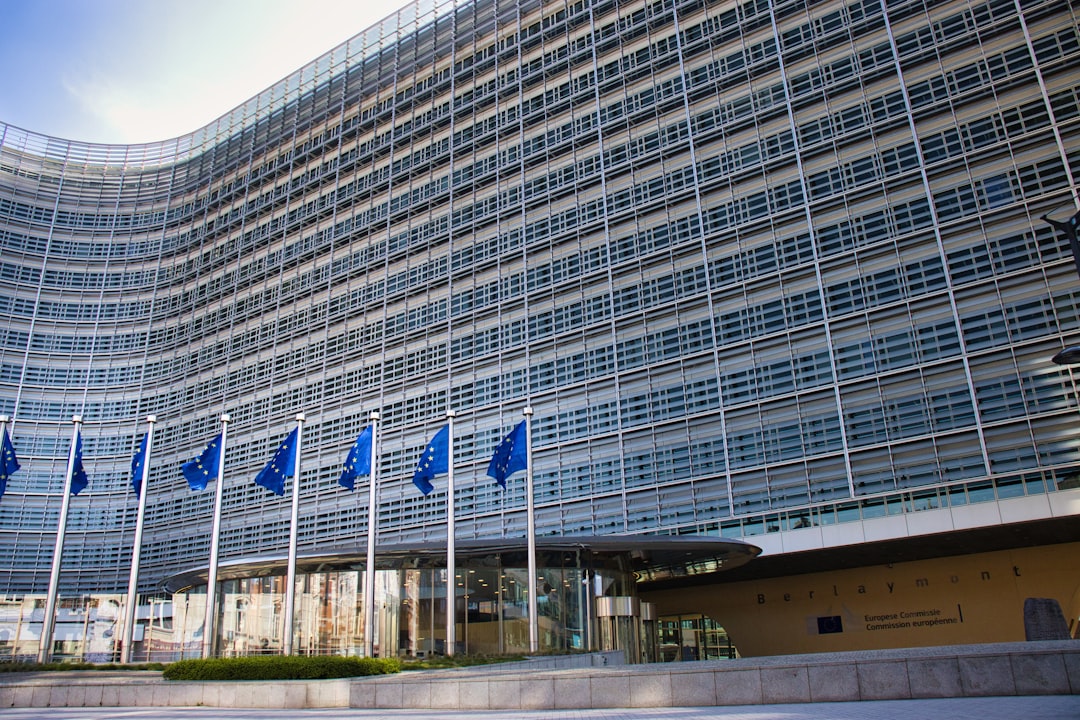
The Commission and the European External Action Service - the EU's diplomatic corps - work tirelessly to craft consensus positions that satisfy 27 member states with vastly different histories, threat perceptions, and relationships with Washington. When major powers like Spain and Germany openly clash, that diplomatic architecture trembles.
For EU High Representative for Foreign Affairs, coordinating a common position becomes nearly impossible when member states are accusing each other of vassalage to external powers.
German Response and Regional Reactions
The German government has not yet issued a formal response to the Spanish characterization, though Berlin's traditional reply to such criticisms emphasizes Germany's commitment to both European integration and the transatlantic alliance as complementary rather than contradictory.
German officials have consistently argued that European strategic autonomy cannot mean European isolation from America, and that NATO remains the cornerstone of European security. From Berlin's perspective, maintaining close coordination with Washington isn't vassalage - it's prudent alliance management.
Reactions from other EU capitals will be closely watched. Paris, which has long championed European strategic autonomy, may quietly welcome Spanish forthrightness. Eastern European members, who view American security guarantees as existential, will likely side with Berlin.
The Italian government, currently led by Giorgia Meloni, has positioned itself as a bridge between European and American interests. Rome's response - or studied silence - will signal how other major EU powers navigate this divide.
Brussels Decides More Than You Think
This diplomatic rupture matters far beyond European capitals. The EU remains the world's largest single market, a regulatory superpower, and a critical diplomatic actor. When Europe cannot agree on foreign policy fundamentals, global implications follow.
For Washington, European division is both opportunity and problem. The United States benefits from allies who align with American strategic priorities, but a fractured Europe is also a less capable partner for addressing global challenges.
For Beijing and Moscow, European disunity is pure advantage. Both have long worked to exploit transatlantic tensions and prevent the emergence of a cohesive Western bloc.
For the rest of the world - from Lagos to Los Angeles - the question is whether Europe will emerge as an independent pole in a multipolar world or remain primarily an extension of American foreign policy.
The Spanish accusation of German vassalage forces that question into the open. Brussels has decided that strategic autonomy is a goal. Whether it's achievable when member states fundamentally disagree about relations with Washington is another matter entirely.
The EU has weathered existential crises before - the Greek debt drama, Brexit, the COVID pandemic. Each time, predictions of collapse proved premature. But this diplomatic clash exposes a fault line that may prove more difficult to paper over: the fundamental question of whether Europe can be both allied with America and autonomous from it.
Madrid has decided the answer is no - at least not with Germany in its current posture. That decision, and the public rupture it has caused, will reverberate through European capitals for months to come.