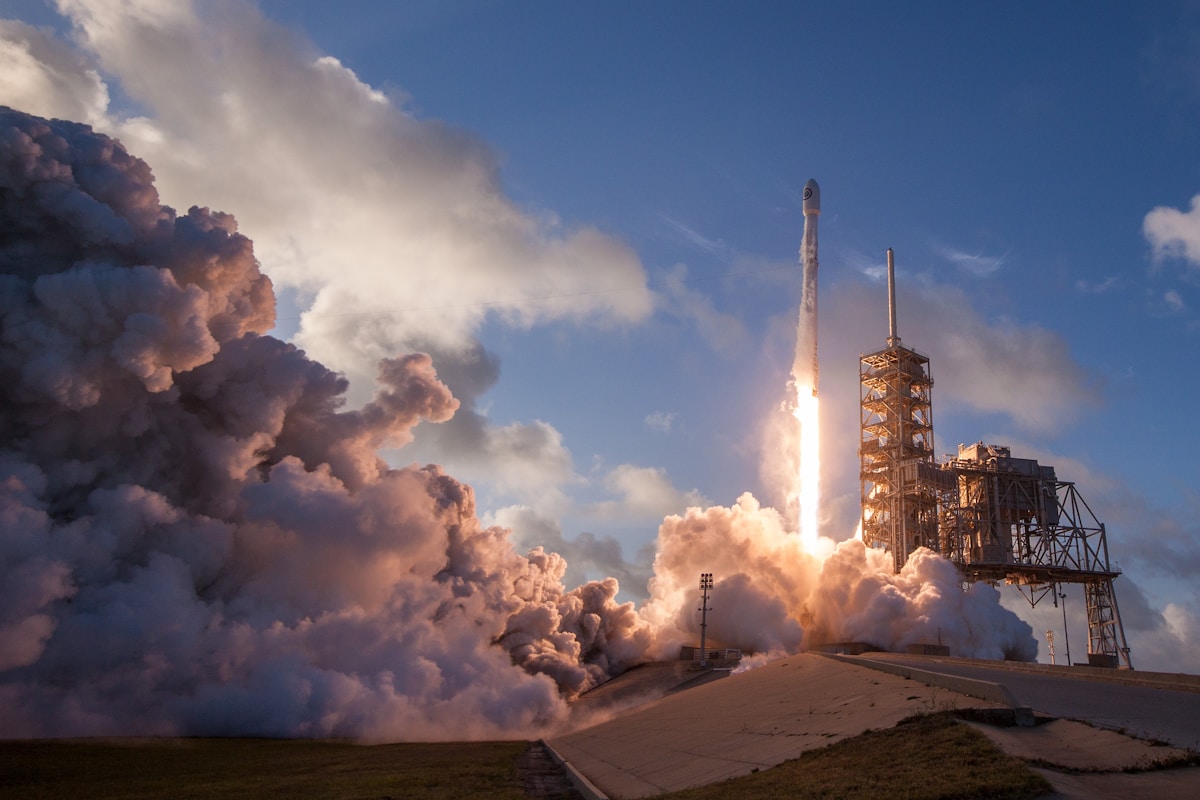
SpaceX is preparing to shatter IPO records with a $75 billion offering at a staggering $1.77 trillion valuation - but the gatekeepers of America's most important stock index are saying no.
The S&P 500 rejected SpaceX's fast-track entry request, blocking not just Elon Musk's rocket company but also unprofitable AI giants like OpenAI and Anthropic. This clash between old-guard index rules and new-economy titans reveals deeper questions about how we value companies in the AI era.
SpaceX plans to raise more than Saudi Arabia's Aramco did in 2019, which previously held the IPO record. The company is also making an unprecedented move by reserving 25% of shares for retail investors - a massive allocation that could democratize access to one of the world's most valuable private companies.
But here's the problem: S&P 500 inclusion requires consistent profitability, and these companies prioritize growth over earnings. SpaceX burns billions on Starship development. OpenAI loses money on every ChatGPT query. Anthropic is deep in the red developing Claude.
The technology is impressive. The question is whether traditional market metrics still apply when companies are building infrastructure for the next computing paradigm.
Elon Musk has long resisted going public, citing the short-term pressures of quarterly earnings. But with AI infrastructure demands exploding - SpaceX reportedly generates significant revenue leasing GPU capacity to cloud providers - the company needs capital to scale.
For retail investors eager to get exposure to the AI boom, this rejection matters. Index funds hold trillions in assets, and exclusion from the S&P 500 means most passive investors won't get access. The companies defining the future of technology might remain out of reach for ordinary savers.
The S&P's stance is defensible on paper - rules exist for a reason, and profitability remains the traditional signal of a sustainable business. But when the most valuable companies in history don't fit your framework, maybe it's time to ask whether the framework still works.