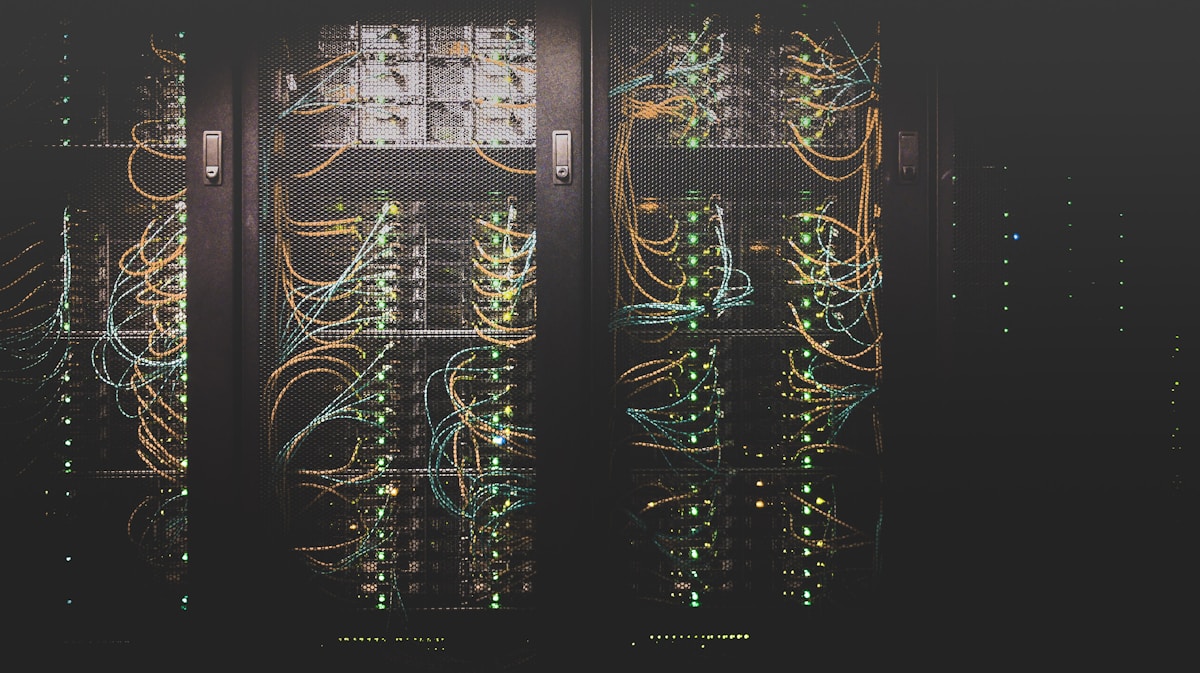
New York just became the first state to say "not so fast" to the AI infrastructure boom, passing a one-year moratorium on new large data centers.
The legislature passed the freeze pending the governor's signature, and it represents what officials are calling "the first statewide ban" on data center construction. While tech companies race to build AI capacity, states are pumping the brakes over power grid stability and environmental concerns.
Here's the collision: AI requires massive data centers. Data centers require massive amounts of electricity and water. State power grids are already strained. Something has to give.
New York chose grid stability over AI growth. And they probably won't be the last.
The companies trying to build these facilities aren't happy. They've invested billions planning expansions, secured land, negotiated power contracts. Now they wait while the state figures out whether the grid can handle it.
But state officials have legitimate concerns. A large data center can consume as much power as a small city. In Texas, data centers have contributed to grid instability during heat waves. In Ireland, they're consuming 18% of the country's electricity.
New York's approach is to freeze construction for a year while conducting environmental and grid impact studies. It's not a permanent ban - it's a pause to understand what they're dealing with.
From a policy perspective, this makes sense. You don't let infrastructure development outpace your ability to support it. But from a competitive standpoint, it's brutal. AI companies need compute capacity now, not after a one-year study.
This is why Google is paying SpaceX $920 million monthly for GPU access. When you can't build domestically, you lease internationally. When states block new construction, you go elsewhere.
The environmental impact isn't theoretical. Data centers use water for cooling - sometimes millions of gallons daily. They require reliable power, often backed by natural gas plants. They generate heat and noise. They transform the communities around them.
Virginia's Loudoun County, "Data Center Alley," has over 300 facilities. Residents complain about noise, diesel generators running during outages, strain on local infrastructure. That's what happens when you concentrate this much computing power in one place.
New York looked at that future and decided to think it through first.
The technology is impressive. The question is whether states prioritize AI development or grid stability when the two conflict. New York just gave us the answer.