
SpaceX's rumored IPO is generating the kind of hype usually reserved for iPhones and Taylor Swift tours, but the numbers being floated don't make sense. Estimates put the offering at $1.5 to $2 trillion valuation, which would make it one of the largest public companies on earth. The capital raise? Only $30 to $75 billion. That's 2% to 3.75% of the offering converted to operating capital.
Let's compare that to other mega-IPOs. When Alibaba went public in 2014, they raised $25 billion at a $168 billion valuation. That's 14.9% converted to operating capital. SoftBank's 2018 IPO raised $23.5 billion at a $63 billion valuation, converting 37.3% to operating capital. Those are normal ratios for companies that actually need growth capital.
SpaceX's structure looks more like a liquidity event for existing shareholders than a capital raise for business growth. If the company is valued at $2 trillion but only raising $50 billion, where's the other $1.95 trillion going? Into the pockets of early investors and employees who want to cash out.
That's not necessarily a problem, but it changes how you should think about the investment. A traditional IPO is a company saying "we have a great business, give us capital to grow faster." This looks more like "we're already successful, here's your chance to buy in at a markup."
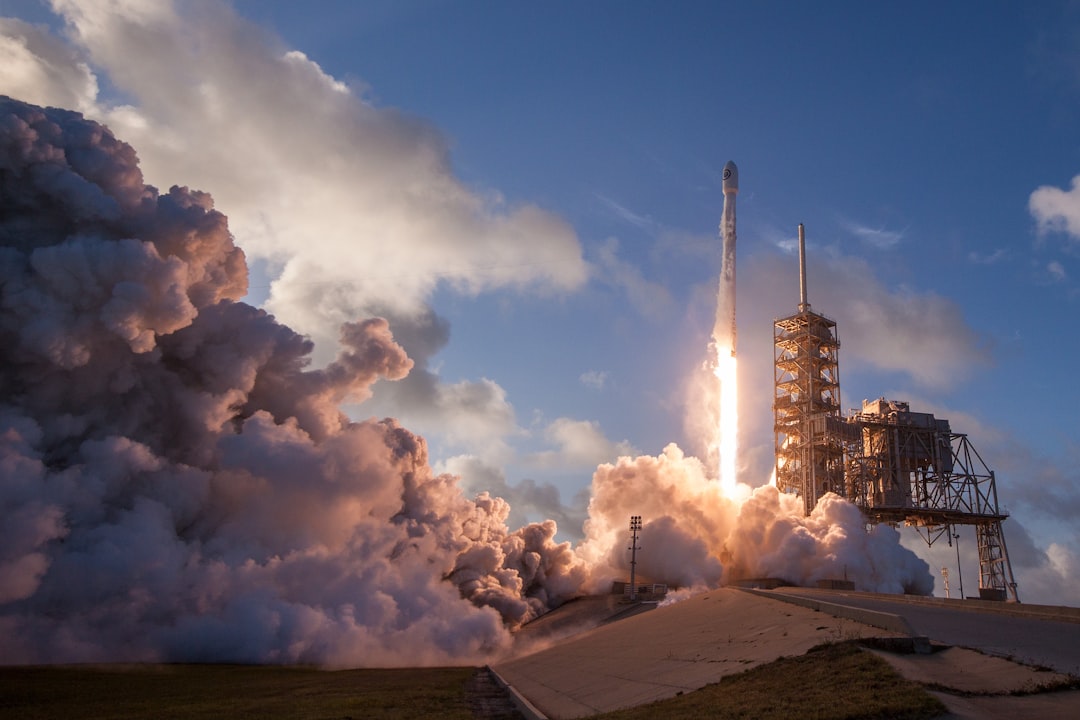
There's also the fundamental question of whether SpaceX is actually worth $2 trillion. For context, that's more than Tesla's peak market cap, and Tesla produces hundreds of thousands of vehicles per year with global brand recognition. SpaceX has revolutionary technology and genuine competitive advantages, but they're still primarily a rocket company with one major customer (NASA) and one major revenue source (Starlink).
Starlink is the wild card. If you believe global satellite internet is a trillion-dollar market and SpaceX will dominate it, then maybe a $2 trillion valuation makes sense. But that requires assuming they'll face minimal competition, regulatory environments will remain favorable, and consumer adoption will scale dramatically beyond current projections.
The bull case relies heavily on optionality: Mars missions, space tourism, satellite mega-constellations, point-to-point Earth transport via rocket. Those are all possibilities, but they're not businesses with proven revenue models today. You're paying for a vision, not cash flows.
For retail investors, the structure raises red flags. IPOs with low capital raise percentages often benefit insiders more than new shareholders. The company doesn't need your money to grow; they're offering you shares because existing investors want liquidity at current valuations. That creates misaligned incentives.
It's also worth noting that SpaceX has been extraordinarily successful while private. They've had the freedom to take risks, prioritize long-term bets, and avoid quarterly earnings pressures. Going public changes that dynamic, usually not in ways that benefit innovation.
Elon Musk has historically been vocal about preferring to keep SpaceX private for exactly these reasons. If the company is now pursuing IPO despite that preference, it suggests either capital needs have changed or investor pressure has reached a tipping point.
Here's what I'd watch for in the prospectus if this IPO materializes: revenue breakdown by segment, long-term contracts and backlog, capital expenditure plans, and use of proceeds. If the use of proceeds section is vague or emphasizes "general corporate purposes," that's code for "paying out existing shareholders."
Should you buy SpaceX at IPO? If you're a true believer in the vision and willing to hold through volatility, maybe. But don't confuse revolutionary technology with a good investment at any price. The most innovative companies can still be overvalued, and the IPO structure here suggests you're buying at a premium to benefit insiders who've already captured most of the upside.
Wait for the actual numbers, read the prospectus carefully, and remember that the best long-term investments are usually not the ones with the most hype at launch.