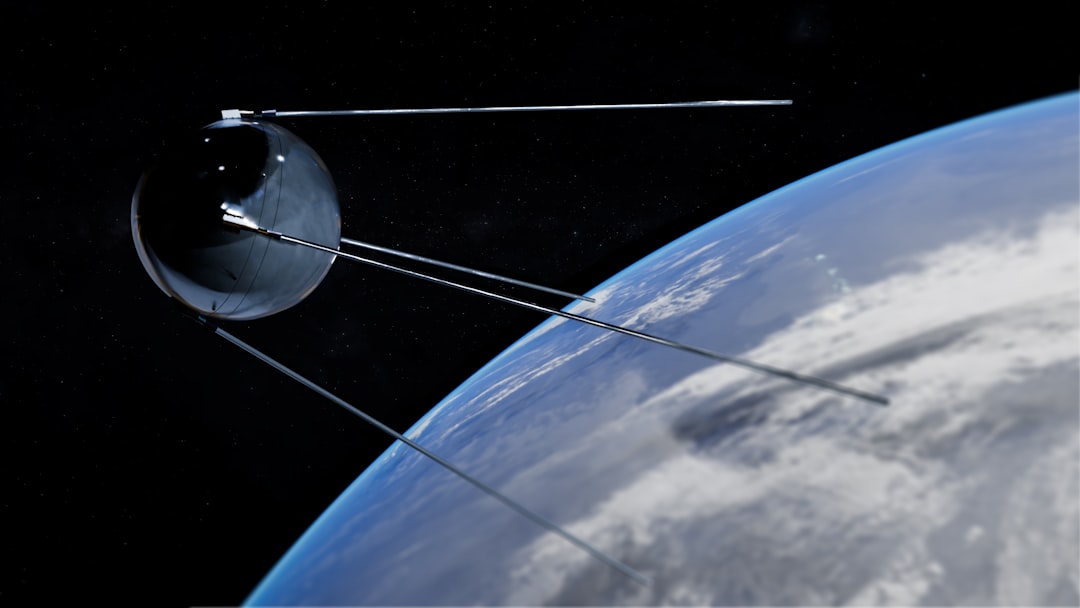
SpaceX is asking the FCC to intervene, claiming Amazon deployed satellites at incorrect altitudes that could collide with Starlink. Amazon denies any violation, saying SpaceX caused the conflict by lowering their own satellites. Welcome to the new space race: two billionaires filling low Earth orbit with tens of thousands of satellites, and nobody's quite sure who's in charge.
The technical details matter here. Low Earth orbit isn't empty space where you can put satellites anywhere. Different altitudes have different orbital mechanics, different debris risks, and different collision probabilities. When companies file with the FCC, they specify orbital parameters. If those parameters change—or if satellites end up somewhere other than specified—that's a problem.
SpaceX claims Amazon's Project Kuiper satellites are in the wrong place. Amazon claims SpaceX moved Starlink satellites to lower altitudes, creating the conflict. Both companies have submitted competing technical analyses to the FCC. And the FCC, to be clear, is not equipped to be an orbital traffic controller for thousands of commercial satellites.
This isn't just a regulatory dispute—it's a preview of what happens when commercial space activity scales up. SpaceX already has thousands of Starlink satellites in orbit. Amazon is planning to launch thousands more for Kuiper. OneWeb, Telesat, and others have their own constellations planned. At some point, low Earth orbit becomes a crowded place where small mistakes have catastrophic consequences.
The optimistic view is that companies will self-regulate because satellite collisions hurt everyone. Debris from one collision can damage other satellites, creating a cascade effect that makes entire orbital shells unusable. That's a strong incentive to play nice.
The pessimistic view is that we're watching a tragedy of the commons play out in real time. Each company has an incentive to launch as many satellites as possible, as quickly as possible, to lock in market share. Coordination and careful spacing reduce those incentives. Someone needs to enforce the rules. Right now, it's not clear who that someone is.