Minnesota photojournalist Rob Levine is challenging an FAA rule that creates 3,000-foot no-fly zones around DHS facilities, arguing it violates First Amendment press freedom. This is about whether the government can create invisible walls around its operations and call it a safety measure. If journalists can't document what's happening at federal facilities, who can?
The FAA regulation in question prohibits drone flights within 3,000 feet of Department of Homeland Security assets, including ICE detention facilities. The stated purpose is security—preventing drones from interfering with sensitive operations or conducting surveillance. But the practical effect is preventing journalists from documenting conditions at facilities the public has a legitimate interest in observing.
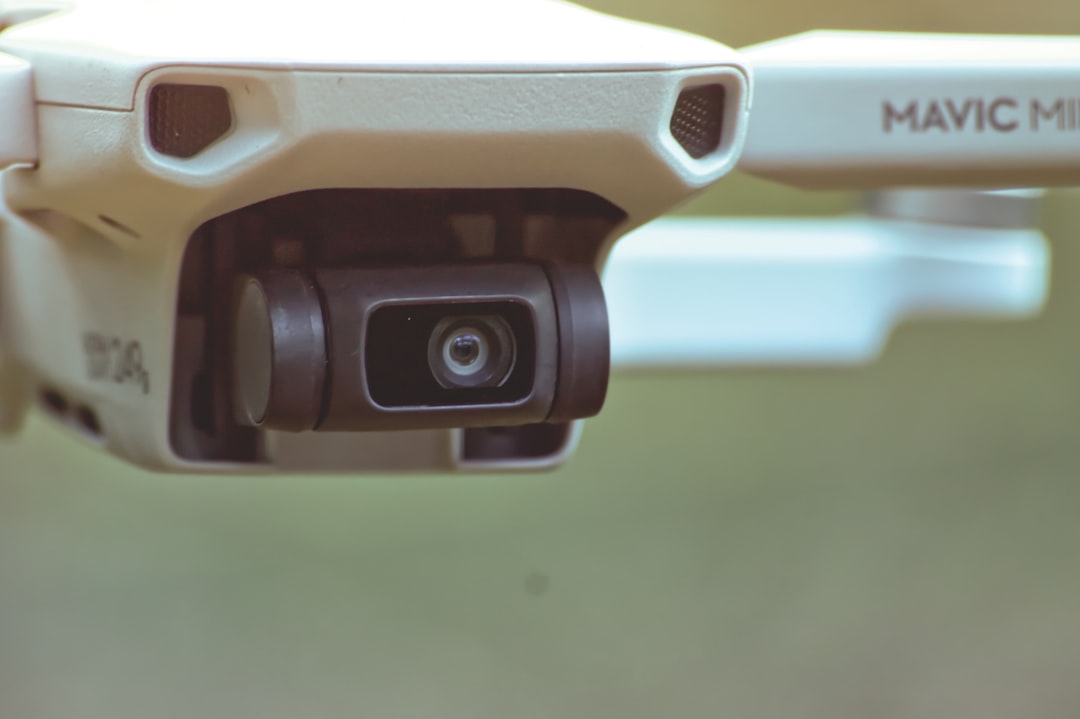
Levine's lawsuit argues this is a First Amendment violation. Journalists have historically had the right to document government activities from public spaces. If federal facilities are visible from public land, journalists can photograph them. A drone operated from public property is functionally the same as a photographer with a telephoto lens—it's just a tool for newsgathering.
The government's counterargument will likely focus on safety and security. Drones near sensitive facilities could interfere with operations, provide intelligence to adversaries, or create physical hazards. Those are legitimate concerns. But a blanket 3,000-foot restriction doesn't distinguish between malicious surveillance and journalistic documentation. It treats all drone use the same way, which is the problem.
This case matters beyond Levine's specific situation. If the FAA can create no-fly zones that effectively prevent aerial journalism around federal facilities, that's a significant expansion of government power to control information. The fact that it's done through aviation regulations rather than explicit press restrictions doesn't change the effect.
There's a balance to be struck here. The government has legitimate security interests. Journalists have constitutional rights to document government activities. A blanket 3,000-foot restriction doesn't strike that balance—it eliminates journalistic access entirely while claiming to be about safety.
The technology is impressive. Drones give journalists capabilities that didn't exist a decade ago. The question is whether the government can use safety regulations to create zones where those capabilities are effectively banned. Levine says no. The FAA says yes. A court will decide who's right.