A first-time solo traveler planning the Banana Pancake Route from May to November asked the question budget backpackers everywhere are wondering: will rainy season ruin my trip?
The 23-year-old's concerns are legitimate: unbearable heat and humidity, empty hostels killing the social vibe, constant storms canceling activities, and closed night markets. These aren't irrational fears—they're real tradeoffs of traveling Southeast Asia during offseason.
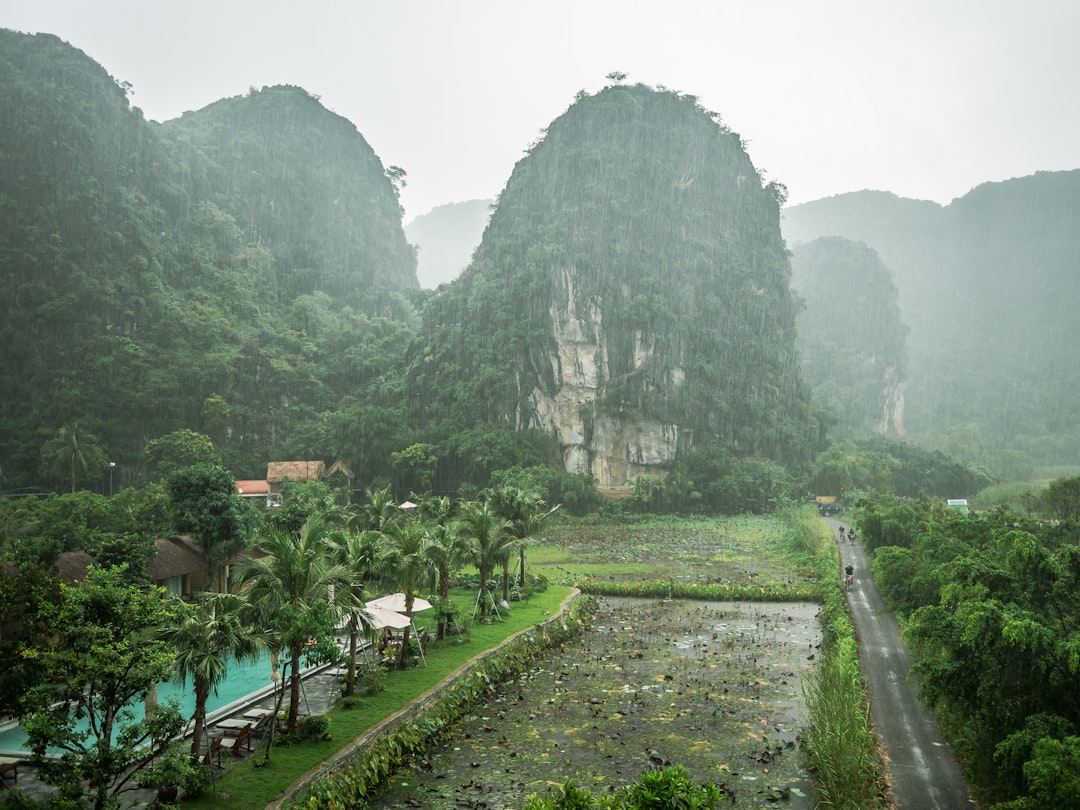
But experienced SEA travelers offer a more nuanced picture. Yes, it rains during rainy season. But "rainy season" doesn't mean 24/7 downpours. It means afternoon thunderstorms that last 1-2 hours, then clear up. You adjust your schedule: do outdoor activities in the morning, retreat to cafes during afternoon rain, resume in the evening.
The hostel question is trickier. Some destinations do empty out during offseason. Pai, Chiang Mai, and Siem Reap see significantly fewer travelers from June-September. If your primary goal is meeting people, this could diminish your experience.
However, other destinations remain busy year-round. Bangkok, Ho Chi Minh City, Hanoi, and Bali have steady flows of digital nomads and travelers who aren't bound by school calendars. Choose your route strategically.
According to Hostelworld data, the most social hostels in SEA maintain critical mass even during rainy season. Look for high-volume hostels with organized activities (pub crawls, group dinners, day trips). These attract travelers year-round.
The heat and humidity won't be worse in rainy season—it'll actually be better in some ways. The rain cools things down temporarily. The real brutal period is March-April (hot season) when temperatures spike above 100°F with zero rain relief.