
South Korean President Lee Jae-myung has ordered the exclusion of government officials who own multiple properties from any involvement in housing and real estate policymaking, a policy innovation that raises questions about conflicts of interest in governance and whether similar measures might be adopted in other nations grappling with housing affordability crises.
The directive, announced Sunday, targets officials who own expensive unoccupied properties or what the administration characterizes as "excessive" holdings. Those individuals will be barred from participating in discussions, policy formulation, reporting, and approval processes related to housing and real estate matters.
"Escaping the real estate republic is a central task for the grand transformation," President Lee stated in remarks announcing the policy. "There cannot be even a 0.1 percent flaw or hole regarding property policy."
The measure represents an unusually direct acknowledgment that policymakers' personal financial interests may compromise their ability to craft policies serving the broader public interest—a tension that exists in most democracies but is rarely addressed through formal exclusionary measures.
Lee carefully distinguished between criticizing citizens who own multiple properties and holding government officials accountable for designing systems that enabled speculative real estate investment. "I'm not criticizing people who own multiple homes," he explained. "But public officials who created or turned a blind eye to these systems and then exploited them should face exclusion and potential sanctions."
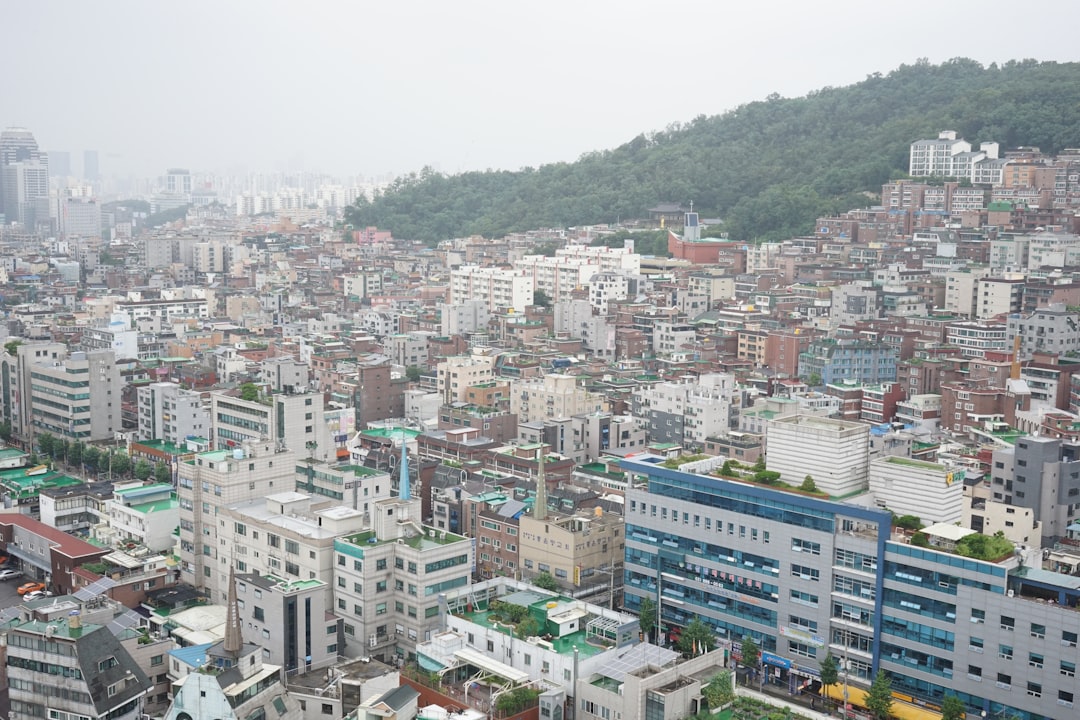
The policy emerges from South Korea's severe housing affordability crisis, where property prices in Seoul have increased by more than 70 percent over the past decade while wage growth has remained largely stagnant. Young South Koreans face particular hardship, with average apartment prices in the capital now exceeding 20 times median annual income—among the most extreme ratios globally.