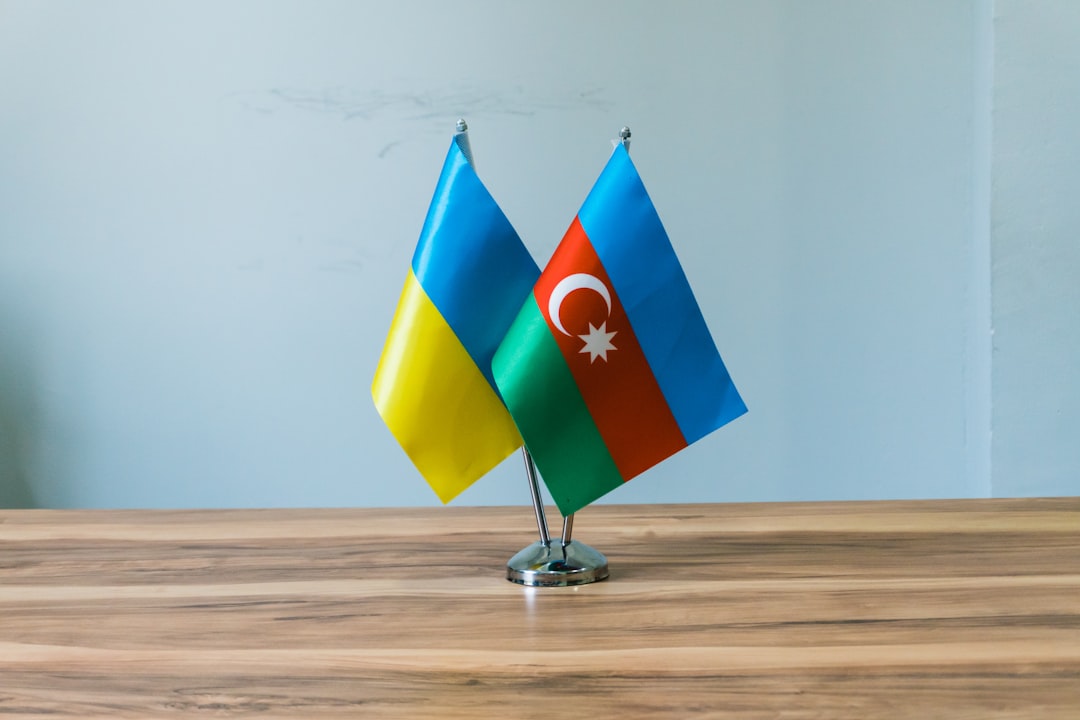
Ukrainian President Volodymyr Zelenskyy has announced his willingness to meet Russian President Vladimir Putin in Azerbaijan for direct peace negotiations, marking the first such overture in months as the grinding war approaches its fourth year.
The proposal, reported by Euronews, represents a significant shift in Kyiv's approach after previously insisting that Russia withdraw from all occupied territories before substantive talks could begin.
Why Azerbaijan?
The choice of Baku as a potential venue is deliberate and revealing. Azerbaijan maintains carefully calibrated relations with both Russia and the West, having avoided taking sides in the Ukraine conflict while preserving its strategic autonomy. The country hosted previous rounds of Armenia-Azerbaijan peace talks, demonstrating its capacity as a neutral venue.
"Azerbaijan has proven it can provide a secure, neutral environment for difficult negotiations," a senior Ukrainian official told reporters, speaking on condition of anonymity. "We believe this could be conducive to serious discussions."
The venue selection also carries symbolic weight. Unlike Turkey or Kazakhstan, which hosted earlier failed talks, Azerbaijan has no formal alliance commitments to Moscow despite maintaining pragmatic ties. For Kyiv, this represents a venue where Russian pressure might be less overwhelming than in previous locations.
Changed Circumstances on the Ground
To understand today's headlines, we must look at yesterday's decisions. Zelenskyy's willingness to engage directly with Putin reflects the brutal arithmetic of a stalemated war. Ukrainian forces have stabilized the front lines but lack the manpower and ammunition for major offensive operations. Russian forces continue grinding forward in the east, suffering enormous casualties but making slow, methodical gains.
Western military aid, while substantial, has proven insufficient to enable Ukraine to fully expel Russian forces. European ammunition production remains below the levels needed to sustain high-intensity combat, and political support in some Western capitals has begun to fray.
"The military situation is stable but not favorable," explained Michael Kofman, a military analyst at the Carnegie Endowment. "Ukraine can hold its current positions, but achieving the government's stated war aims through military means alone appears increasingly unlikely."
Skepticism About Russian Intentions
However, significant obstacles remain before any talks could materialize. The Kremlin has shown no indication of responding to Zelenskyy's offer, and Russian officials have consistently demanded that Ukraine recognize Russia's annexation of four Ukrainian regions as a precondition for negotiations.
Moreover, past diplomatic efforts have ended in failure or worse. Talks in Belarus during the war's first weeks produced no results. Negotiations in Istanbul in March 2022 showed promise before collapsing, with both sides blaming the other. Since then, Moscow has shown little interest in genuine compromise.
"Russia negotiates when it's losing, not when it's making gains," noted Dr. Fiona Hill, a Russia expert and former White House official. "Right now, despite their casualties, the Russians believe time is on their side."
Western officials privately expressed concern that Zelenskyy's offer might signal Ukrainian weakness or desperation, potentially encouraging Russian intransigence. However, Ukrainian officials insisted the proposal comes from a position of defensive strength, not collapse.
Domestic Political Calculations
The overture also addresses domestic political realities in Ukraine. While Ukrainian society remains broadly united in opposition to Russian occupation, three years of war have taken an enormous toll. Hundreds of thousands of casualties, widespread destruction, and economic devastation have led some Ukrainians to question whether continued fighting can achieve the government's maximalist aims.
Zelenskyy faces the delicate task of demonstrating openness to diplomacy—thereby maintaining Western support and domestic morale—while not appearing to accept defeat or legitimize Russian conquests.
"We remain committed to the restoration of Ukraine's territorial integrity," Zelenskyy said in his statement. "But we also recognize our responsibility to explore every possible avenue for ending this war."
Western Reactions
European and American officials offered cautious support for the initiative while emphasizing that any settlement must respect Ukrainian sovereignty and territorial integrity. However, there are growing divisions within the Western coalition about what constitutes an acceptable outcome.
Some European leaders have quietly begun discussing the possibility of a negotiated settlement that might involve temporary territorial concessions in exchange for security guarantees and a path to NATO membership for Ukraine's unoccupied territories. Poland and the Baltic states have fiercely opposed any such proposals, viewing them as capitulation to Russian aggression.
The Trump administration has sent mixed signals, with the president calling for negotiations while his advisers insist on Ukrainian sovereignty. This ambiguity leaves Kyiv uncertain about the reliability of American support in any future talks.
The Path Forward
Even if Moscow agreed to talks in Baku, the substantive gaps between the two sides remain enormous. Russia insists on keeping its territorial conquests and preventing Ukrainian NATO membership. Ukraine demands full withdrawal and security guarantees that would prevent future Russian aggression.
Bridging these positions would require compromises that neither leader appears politically able to accept. Nevertheless, the fact that Zelenskyy is willing to sit across from Putin suggests a recognition that military victory alone may not be achievable—and that even a flawed peace might be preferable to indefinite war.