A startup claims infrasound waves can extinguish kitchen fires, potentially replacing traditional sprinkler systems. The acoustic fire suppression technology is going commercial, but experts are skeptical about whether it can match the reliability of water-based systems that have been proven over more than a century.
I love a good physics hack. Using sound waves to disrupt combustion is genuinely clever science. The concept is solid: low-frequency acoustic waves can interfere with the combustion process by disrupting the flame's chemical reactions and oxygen supply. In controlled lab settings, it works.
But "going commercial" and "actually works reliably in real fires" are very different things.
The startup behind this technology is targeting commercial kitchens initially, which makes sense. Restaurant fires are a major problem, and water-based suppression systems create their own issues - water damage, cleanup costs, extended downtime. An acoustic system that could extinguish fires without soaking everything would be genuinely valuable.
The physics are fascinating. Acoustic waves at the right frequency can push flame away from its fuel source, break up hot gas pockets, and disrupt the chemical reactions that sustain combustion. It's not science fiction - researchers have been demonstrating this in labs for years.
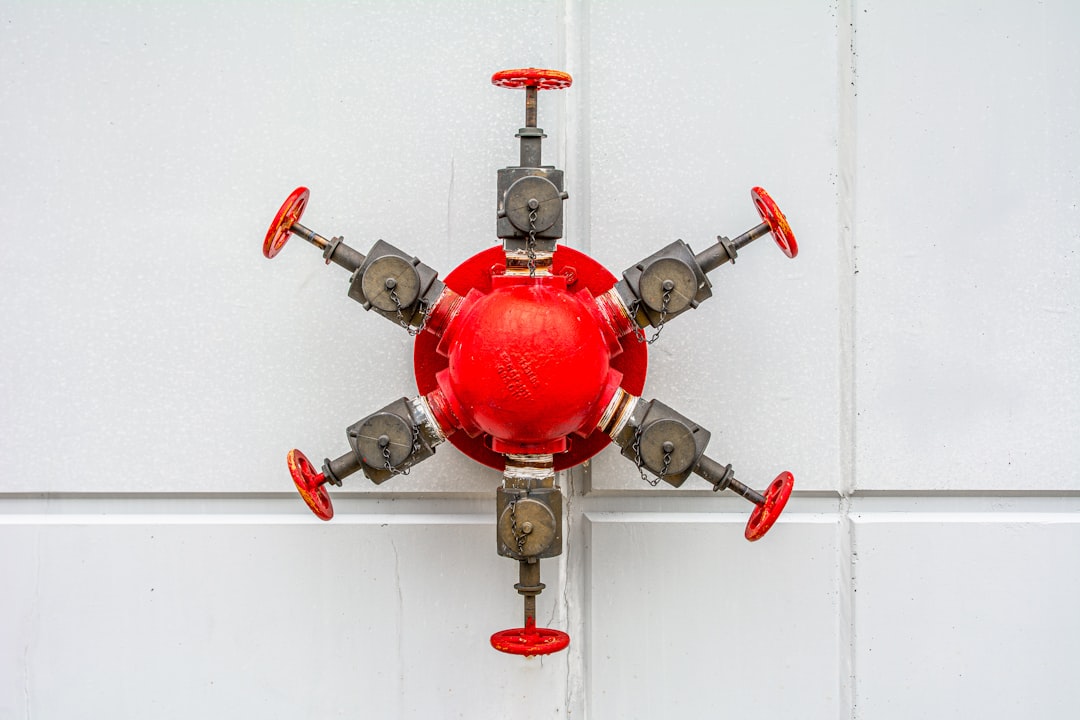
Here's where skepticism is warranted: fire suppression systems need to work 100% of the time, under all conditions, with minimal maintenance. That's why water sprinklers remain the gold standard. They're simple, reliable, and we understand exactly how they'll behave in virtually any fire scenario.
Acoustic suppression introduces variables. Does it work as effectively with different types of fires? What about in spaces with complex acoustics or lots of background noise? How do you ensure the speakers are maintained and functional? What happens if the power goes out during a fire?
Fire safety experts quoted in reports about this technology are expressing exactly these concerns. The technology may work in demonstrations, but fire suppression systems need to pass extraordinarily rigorous testing and certification processes. They're betting people's lives on the system working when needed.
There's also the question of scalability. An acoustic system powerful enough to suppress a serious fire requires significant hardware - speakers, amplifiers, power systems. The installation and maintenance costs need to be competitive with sprinklers, which are relatively inexpensive and simple to maintain.
None of this is to say the technology won't work or isn't worth pursuing. Innovation in fire safety is important. Water sprinklers, while effective, do have limitations and drawbacks. Having alternatives for specific use cases could be valuable.
But there's a pattern in startup land: exciting technology demonstrated in controlled conditions, followed by claims about revolutionizing an industry, followed by the reality of deployment revealing all the edge cases and challenges that make incumbent solutions hard to replace.
What would make this credible? Published testing data from independent fire safety labs. Certification from relevant regulatory bodies. Pilot deployments in real commercial settings with transparent reporting on performance. Insurance companies willing to provide coverage for buildings using the system.
Until then, this falls into the category of "interesting technology that might have applications, but probably won't replace the established solution anytime soon."
The startup will likely find some niche applications where acoustic suppression makes sense - specific industrial settings, data centers where water is a non-starter, maybe high-end residential installations. But revolutionizing fire suppression? That's a much higher bar.
Physics hacks are cool. Reliable life-safety systems require more than cool physics. They require proven performance across thousands of real-world scenarios, regulatory approval, insurance acceptance, and installer confidence.
We'll see if acoustic fire suppression can deliver all of that. The technology is impressive. The question is whether it's practical.