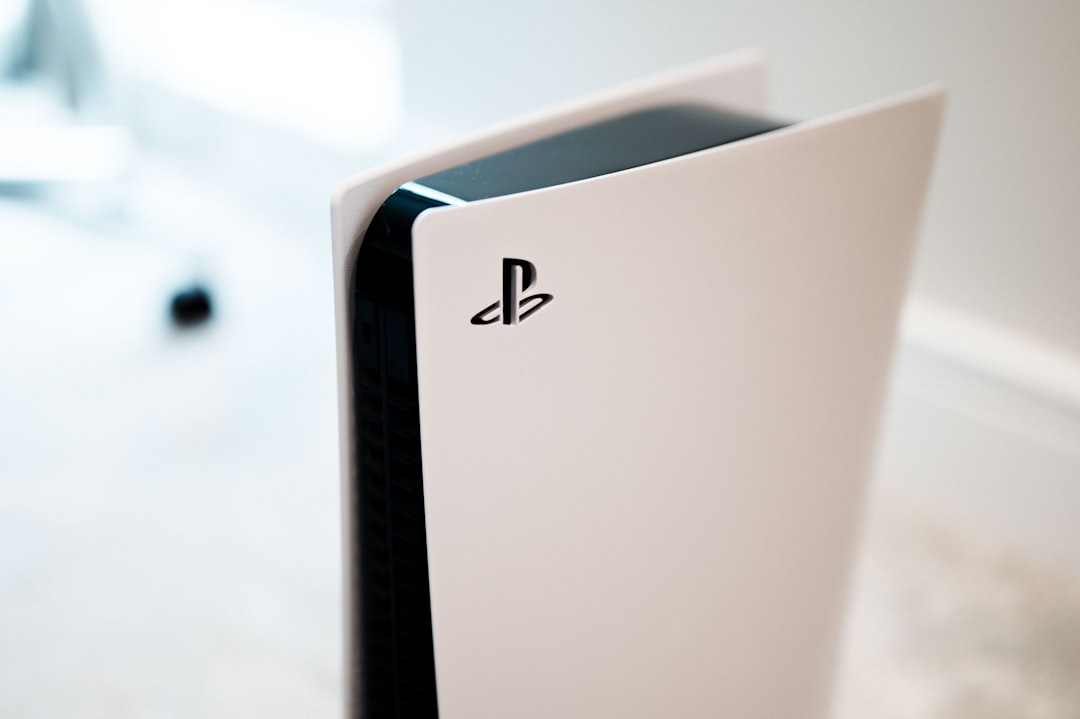
Sony just raised the price of the PlayStation 5 by up to $150, blaming "continued pressures in the global economic landscape." The standard PS5 now starts at $600, while the PS5 Pro will set you back $900. That's not a typo—a gaming console now costs as much as a used car down payment.
Let's cut through the corporate speak. "Global economic pressures" is code for "we're raising prices because we can." Sony's timing is particularly interesting: They're hiking prices during a market downturn when consumer discretionary spending is already under pressure. Either they're confident demand is inelastic, or they're making a calculated bet that their most loyal customers will pay up regardless.
From a business strategy perspective, this move tests a fundamental question about gaming: Is it recession-proof or not? For years, the industry argued that entertainment spending holds up during downturns because people trade expensive outings for cheaper at-home options. A $900 console challenges that thesis.
The price increase also arrives as Microsoft and Nintendo hold their pricing steady, creating a competitive vulnerability. Sony dominates the high-end console market, but pricing yourself 30-50% above the competition invites customers to reconsider their loyalty—especially younger buyers who don't have PlayStation nostalgia.
There's also the used market angle. At $900 for a PS5 Pro, the secondary market for PS4 consoles and earlier PS5 models just became significantly more attractive. Sony might boost short-term margins, but they risk losing the next generation of gamers who simply can't afford the entry price.
The real test comes in next quarter's earnings. If Sony reports strong console sales despite the price hike, they'll have proven gaming demand is more inelastic than we thought. If sales crater, this will be studied in business schools as a cautionary tale about pricing power during economic uncertainty.
The numbers don't lie, but executives sometimes do—about what customers are willing to pay.