

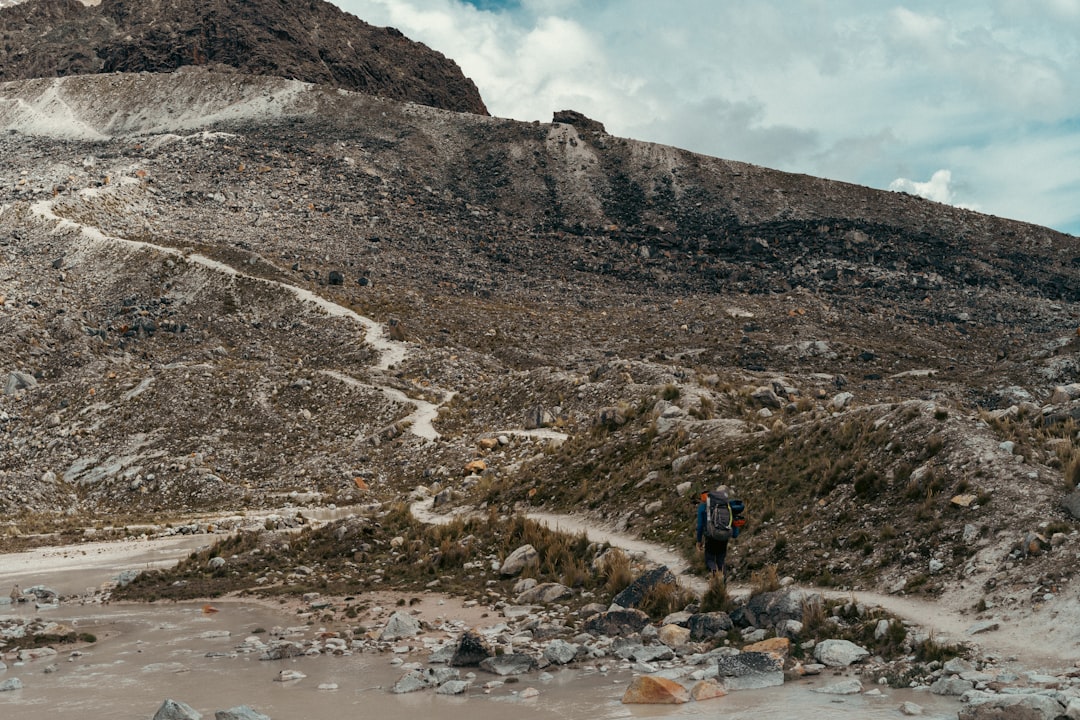
Travel advice often glosses over an uncomfortable reality: solo female travelers make different route decisions than their male counterparts. A recent discussion on r/backpacking brings this tension into focus, as a 21-year-old solo female traveler planning seven weeks between Guatemala and Peru explains why Colombia and Brazil—both bucket-list destinations—didn't make her itinerary.
The reason is straightforward: safety concerns. With flights booked into Guatemala and out of Peru seven weeks later, she seeks a culturally rich third country that balances adventure with realistic risk assessment. The question sparked extensive discussion about how gender affects Latin America route planning.
The Colombia and Brazil Question
Colombia has worked hard to shed its dangerous reputation, and many travelers—particularly men—report feeling safe in cities like Medellín, Cartagena, and Bogotá. Yet U.S. State Department advisories still flag concerns about violent crime, and female travelers consistently report higher rates of harassment and unwanted attention.
Brazil faces similar perceptions. While Rio de Janeiro and São Paulo attract millions of tourists safely each year, solo female travelers report navigating a constant calculus of neighborhood safety, timing, and situational awareness that can be exhausting over extended trips.
The Gender Gap in Risk Assessment
Commentators in the thread highlighted the disparity: male backpackers often dismiss concerns female travelers raise, citing their own positive experiences. But those experiences frequently don't account for the fundamentally different ways women move through spaces—particularly in regions with high rates of street harassment and machismo culture.



/file/dailymaverick/wp-content/uploads/Becs-roelfmeyer2.jpg)