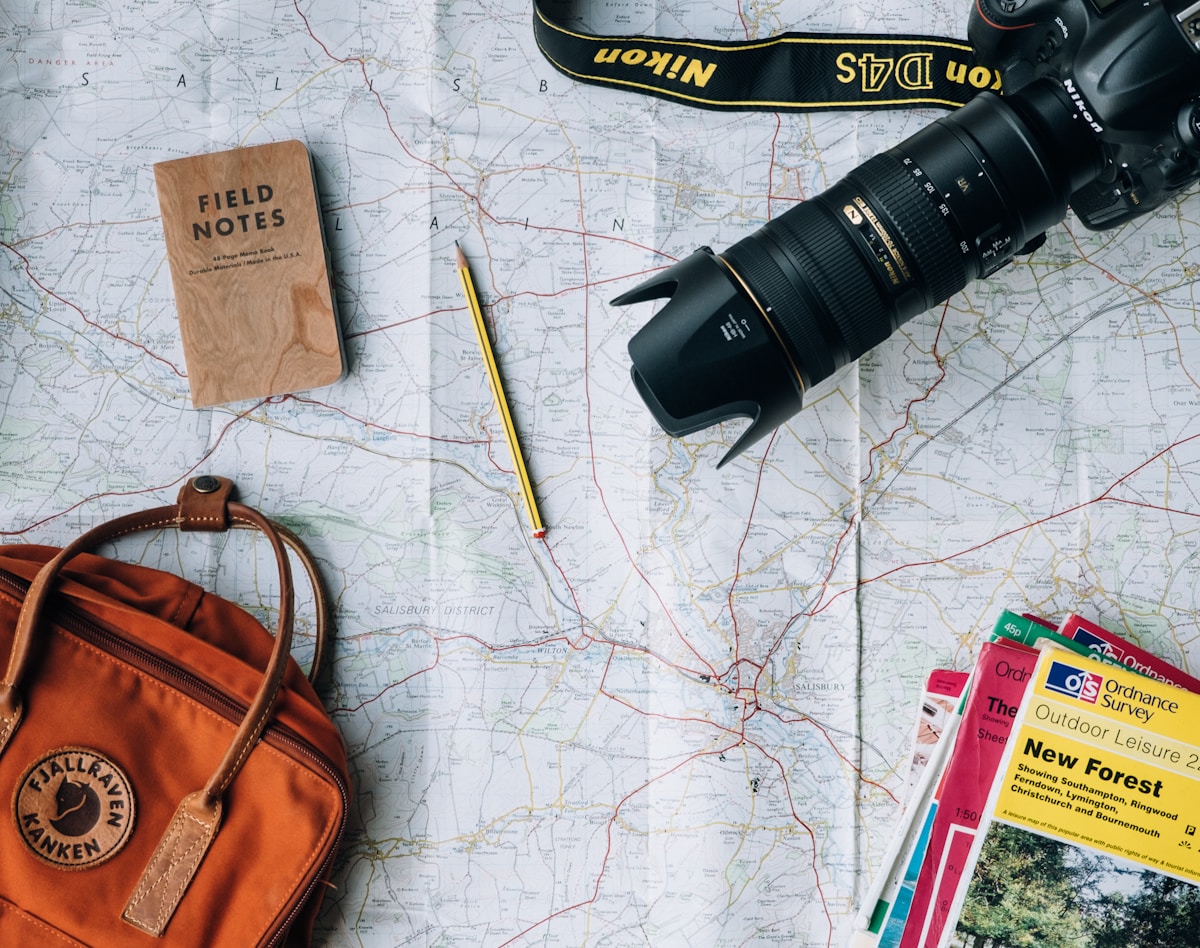
The digital nomad hustle culture of "12 countries in 6 months" is giving way to a quieter revolution: staying put long enough to know where to get coffee without googling it.
A growing number of remote workers are rejecting rapid-fire travel in favor of spending 2-3 months minimum per destination, prioritizing sustainable work-life balance and local routines over passport stamps and Instagram-worthy country counts.
The shift reflects a fundamental change in how the remote work generation approaches travel. Early digital nomad culture often celebrated constant movement as a badge of honor, with online communities comparing country counts and creating pressure to maximize destinations per trip.
One nomad posted on Reddit about initially feeling like they were "doing it wrong" for spending two months in one city while others hopped between countries every few weeks. They tried the fast-traveling approach—three weeks bouncing around Southeast Asia—but found it exhausting and detrimental to work quality. "I saw a lot, but remembered little," they wrote.
Now permanently based in Lisbon, they represent a trend toward nomads eventually settling in cities they've tested through extended stays.
The appeal of slow travel centers on building routines that feel real rather than performative. Knowing the neighborhood bakery. Establishing a regular café for morning work sessions. Developing friendships beyond hostel small talk. These mundane rituals make somewhere feel like home rather than just another pin on a map.
From a practical standpoint, slow travel also makes financial sense. Monthly accommodation rates are significantly cheaper than nightly bookings, and reduced transportation costs add up quickly. Nomad List data shows that nomads staying 2+ months in destinations like Da Nang, Medellín, or Chiang Mai can reduce living costs by 30-40% compared to those moving weekly.
For local communities, the shift toward slow travel offers relief from the negative impacts of overtourism. Nomads integrating into neighborhoods—shopping at local markets, using community coworking spaces, building longer-term relationships—contribute more sustainably than rapid-fire tourists consuming "experiences" and moving on.
The best travel isn't about the destination - it's about what you learn along the way. And sometimes, learning requires staying still long enough to pay attention.