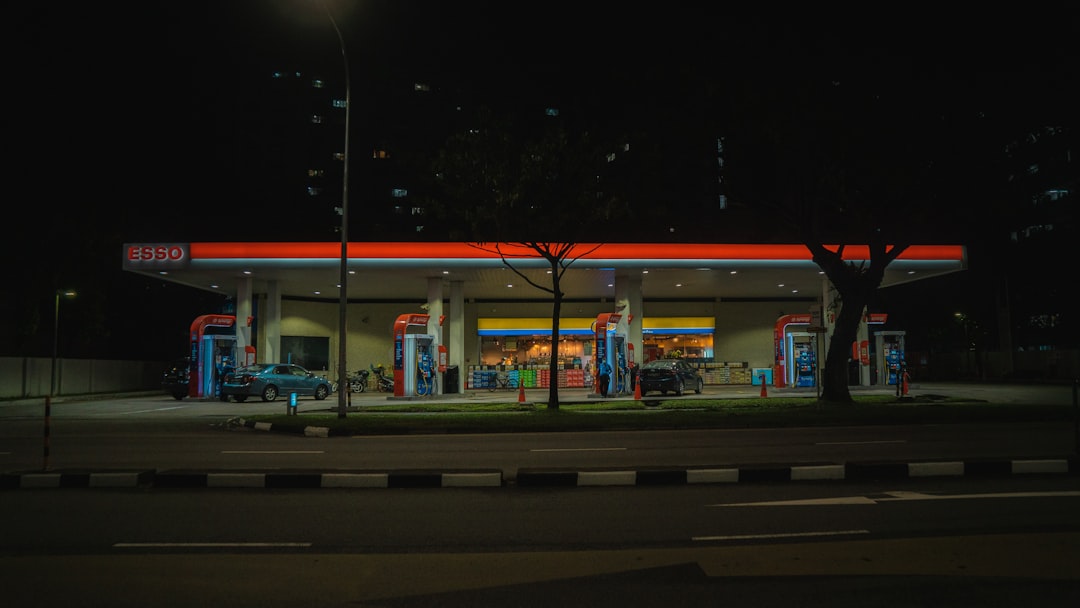
Singapore's consumer watchdog has called on the city-state's fuel retailers to swiftly reduce pump prices when global oil costs fall, highlighting concerns about pricing asymmetry that has persisted for years across the region.
Melvin Yong, president of the Consumers Association of Singapore (CASE), urged petrol companies to demonstrate greater responsiveness to falling crude prices, according to The Straits Times.
The intervention comes as Singapore grapples with a familiar pattern across Southeast Asia: fuel prices that rise quickly when crude costs increase but fall slowly when they decline. The phenomenon reflects the oligopolistic structure of fuel retail in the region, where three major players control Singapore's market.
Unlike Malaysia, where RON95 petrol remains subsidized at RM1.99 per liter for citizens, or Thailand, which has implemented price caps during periods of volatility, Singapore relies on market competition and regulatory oversight to manage consumer costs.
Ten countries, 700 million people, one region - and for drivers across Southeast Asia, fuel pricing remains a political flashpoint that connects global commodity markets to household budgets.
The timing is significant. Global oil prices have declined in recent weeks amid concerns about demand softening in major economies, yet Singapore motorists have seen limited relief at the pump. CASE's intervention signals growing frustration with pricing practices that appear to favor retailers over consumers.
For Singapore, which positions itself as a transparent, well-regulated market, the sticky-downward pricing raises questions about the effectiveness of competition in sectors dominated by a handful of firms. The issue extends beyond fuel to other oligopolistic markets across the island nation.