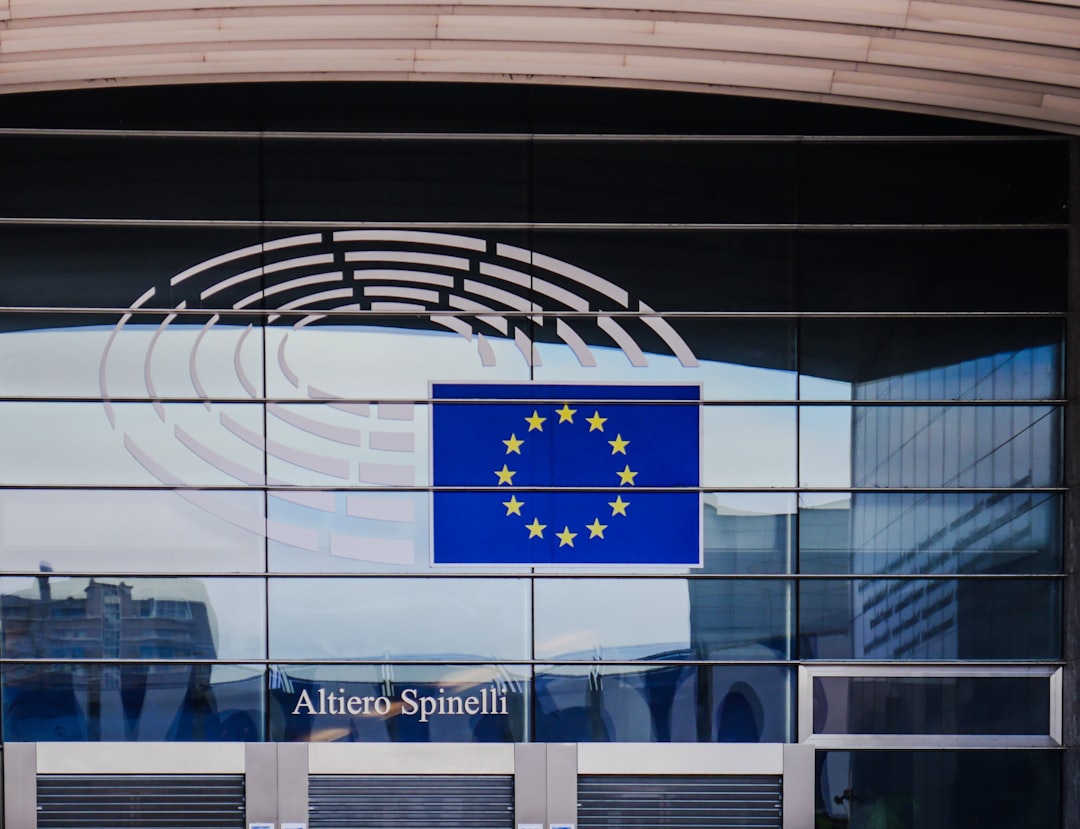
The European Parliament voted Tuesday to recommend freezing billions of euros in EU funding for Slovakia, citing systematic violations of rule-of-law standards under Prime Minister Robert Fico's government—the latest application of a conditionality mechanism previously deployed against Hungary and Poland.
The vote, which passed with strong support from center-right and liberal blocs, according to Balkan Insight, directs the European Commission to trigger Article 7 procedures that could suspend Slovakia's access to cohesion funds, agricultural subsidies, and infrastructure grants.
"We have seen a systematic weakening of democratic institutions in Slovakia over the past 18 months," said German MEP Daniel Freund, who authored the parliamentary report. "Amendments to the criminal code that shield government officials from prosecution, attacks on judicial independence, and the erosion of media freedom—these are not abstract concerns. They pose direct risks to EU taxpayer money."
The specific sum at risk was not detailed in parliamentary statements, but Slovakia is allocated approximately €13.4 billion from the EU budget for the 2021-2027 financial period, including structural funds and agricultural payments. Even a partial freeze would deliver a significant economic shock to the nation of 5.4 million.
The European Parliament's recommendation is not binding—ultimate authority rests with the European Commission, which must decide whether to formally initiate conditionality proceedings. But the vote applies substantial political pressure on Commission President Ursula von der Leyen, who faces criticism for perceived leniency toward rule-of-law violators within the bloc.
Prime Minister Fico, who returned to power in October 2023 after campaigning on a platform of ending military aid to Ukraine and challenging EU migration policies, dismissed the vote as "political theater orchestrated by Brussels elites." His government has accused opposition parties of collaborating with foreign actors to destabilize Slovakia.
"We are a sovereign nation, and we will not be blackmailed," Fico told reporters in Bratislava. "The people of Slovakia elected us to govern according to our priorities, not Brussels' demands."
The parliamentary report highlights several areas of concern, including criminal code amendments passed in February that reduced penalties for corruption and fraud, measures critics argue were designed to shield Fico and his allies from ongoing investigations. The government has also moved to consolidate control over public broadcasting and has threatened prosecutors investigating high-profile corruption cases.
The EU's rule-of-law conditionality mechanism was established in 2020 but has been deployed sparingly, with Hungary remaining the primary target. Poland faced similar threats under its previous Law and Justice government, though those proceedings were suspended after a liberal coalition took power in late 2023.
For Slovakia, the timing is particularly sensitive. The country assumed the rotating EU Council presidency for the second half of 2024 and has positioned itself as a mediator on divisive issues including migration and Ukraine policy. A funds freeze would undermine that diplomatic standing and deepen Bratislava's isolation within European institutions.
Opposition leader Michal Šimečka welcomed the parliamentary vote, calling it "a necessary intervention to protect democratic principles." But he acknowledged the political risks: "If Fico successfully frames this as foreign interference, it could backfire and strengthen his support among voters already skeptical of the EU."
The Commission is expected to respond within 60 days, though officials have indicated they prefer dialogue and reform commitments over immediate sanctions. Whether Fico's government will negotiate in good faith, or instead escalate confrontation as Hungary's Viktor Orbán has done, remains an open question. What is clear is that the EU's struggle to enforce its own values among member states continues—and Slovakia has become the latest battlefield.