

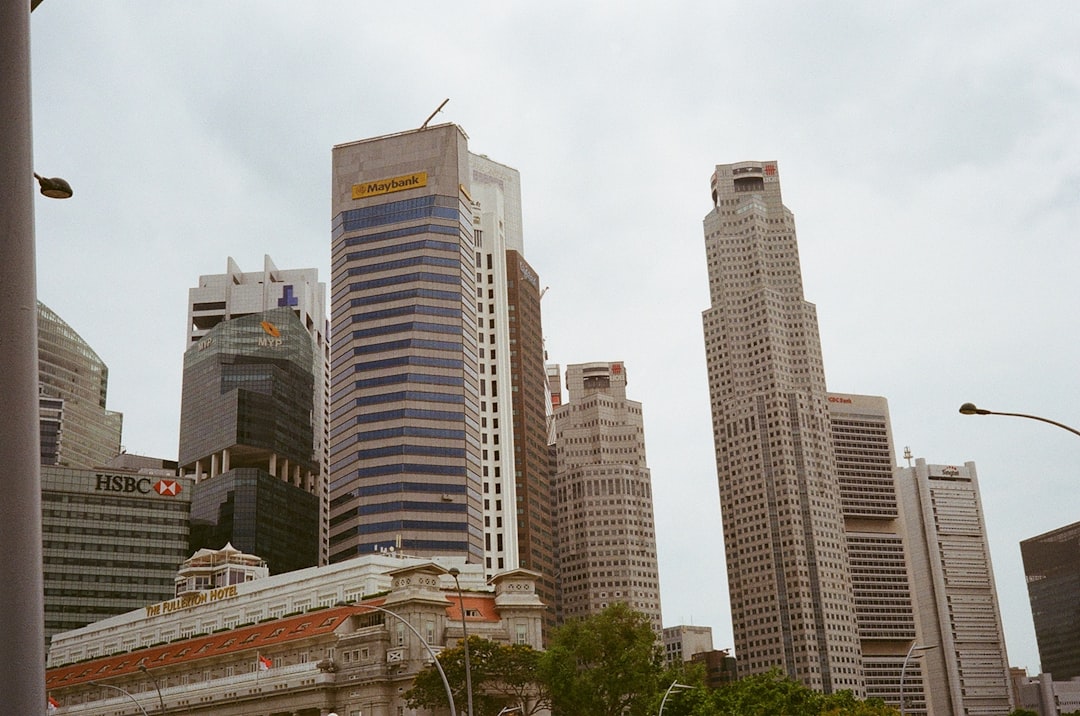
Singapore's reputation as Asia's cleanest financial hub has been tested by revelations that the city-state's $3 billion money laundering case exposed significant systemic weaknesses in corporate gatekeeping systems, according to a review by the Financial Action Task Force (FATF).
The international watchdog's findings, released this week, point to gaps in Singapore's screening of corporate service providers, real estate agents, and other "gatekeepers" who helped foreign nationals move illicit funds through the financial system.
Ten foreign nationals were arrested in August 2023 in what became Singapore's largest-ever money laundering bust. Authorities seized more than S$3 billion in cash, properties, luxury vehicles, gold bars, and cryptocurrency. The case sent shockwaves through a jurisdiction that has staked its global competitiveness on regulatory rigor and financial integrity.
The FATF review, however, suggests the scandal was not merely a case of individual malfeasance but revealed structural vulnerabilities in how Singapore monitors high-risk sectors.
"Corporate service providers, lawyers, and accountants are the first line of defense," said Kausikan Rajeshkumar, a financial crimes analyst at Singapore Management University. "When they fail to conduct proper due diligence, the entire system is at risk."
The Ministry of Finance and the Monetary Authority of Singapore have since announced a package of reforms. These include stricter licensing requirements for corporate service providers, enhanced beneficial ownership disclosure rules, and expanded powers for regulators to audit gatekeepers.
Singapore has also committed to conducting risk assessments every two years instead of every five, and to imposing heavier penalties on gatekeepers who fail to report suspicious transactions.
For a city-state that positions itself as a competitor to Hong Kong, London, and Zurich, the stakes are existential. Singapore handles an estimated $4 trillion in wealth assets, much of it from across Asia, and any perception of lax enforcement could trigger capital flight.
"This is not just about reputation," said Tan Wei Ming, managing director of financial consultancy Clearview Advisory. "It's about whether global banks and family offices continue to see Singapore as the safest place in Asia to park money."
The case has also drawn attention to Singapore's role in Southeast Asia's broader financial ecosystem. As the region's banking and wealth management center, Singapore processes billions in cross-border transactions daily. Any systemic vulnerability here reverberates across Jakarta, Bangkok, Manila, and beyond.
ASEAN integration has accelerated financial flows, but it has also created new avenues for money laundering. The FATF findings suggest that Singapore must balance its role as a regional financial hub with its obligations as a global standard-bearer for compliance.
Ten countries, 700 million people, one region—and when Singapore's gatekeepers fail, the cost is measured not just in dollars, but in trust.


