The Supreme Islamic Shiite Council, Lebanon's highest Shiite religious authority, is facing rare public criticism after refusing to open its facilities to shelter displaced people fleeing Israeli airstrikes, according to reports circulating on Lebanese social media and news outlets.
Critics, including members of the Shiite community, have accused the council's leadership of using council properties for personal and extended family purposes while claiming the facilities cannot accommodate displaced civilians. The controversy represents an unusual instance of internal Shiite community dissent becoming public during wartime.
The Supreme Islamic Shiite Council, led by Sheikh Abdul Amir Qabalan, oversees significant religious endowment properties across Lebanon, including educational facilities, cultural centers, and administrative buildings. Community activists claim these properties could shelter thousands of displaced people but remain closed or restricted to council officials' families.
The criticism signals shifting attitudes within Lebanon's Shiite community about the costs of continued conflict. While Hezbollah retains substantial support among Shiites, frustration is growing over the economic burden of war, repeated displacement, and perceived inequities in how community institutions respond to crises.
This isn't the first time Lebanese religious authorities have faced criticism for inadequate humanitarian responses. During the 2006 war with Israel, questions arose about resource allocation and which families received priority access to shelters. But public criticism of Shiite religious institutions during active conflict with Israel represents a notable shift.
The backlash also reflects broader Lebanese resentment over how political and religious elites weather crises. While ordinary Lebanese flee airstrikes in overcrowded public shelters or sleep in cars, elites often retreat to mountain properties or travel abroad. Social media posts contrasting the Supreme Council's closed facilities with overcrowded schools sheltering displaced families have amplified public anger.
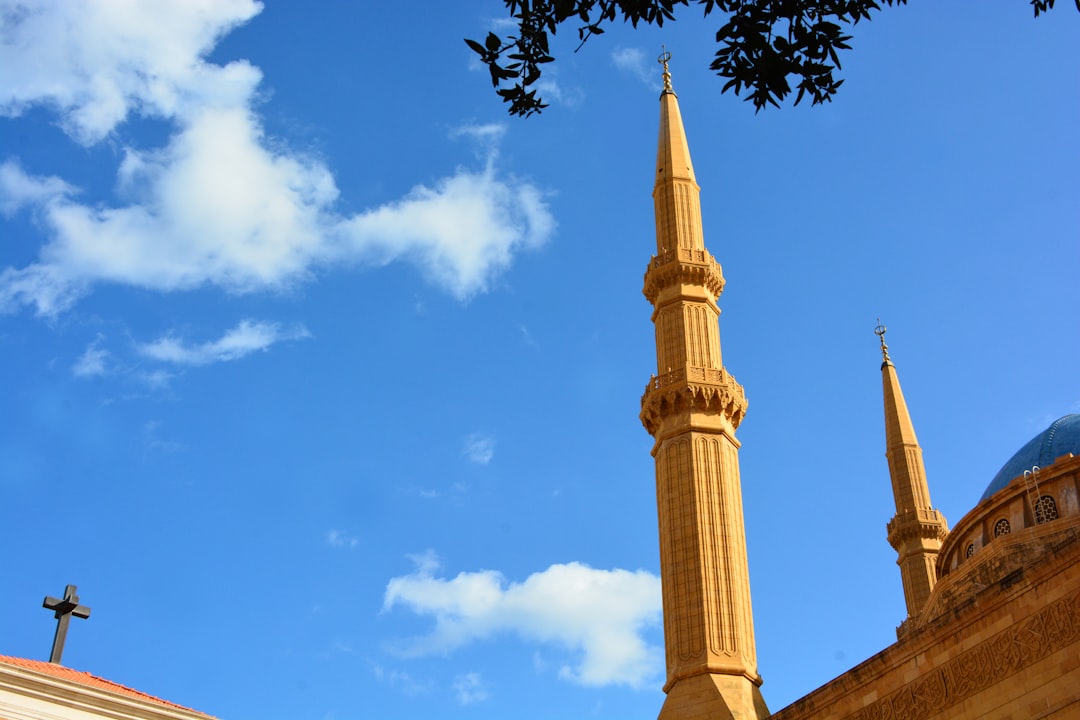
Displaced Shiites have instead found refuge at churches, mosques from other sects, and public schools—a pattern that highlights how Lebanese civil society often functions despite, rather than because of, sectarian institutions. Christian parishes in and the mountains have opened doors to displaced Shiites, providing meals and shelter without sectarian distinction.