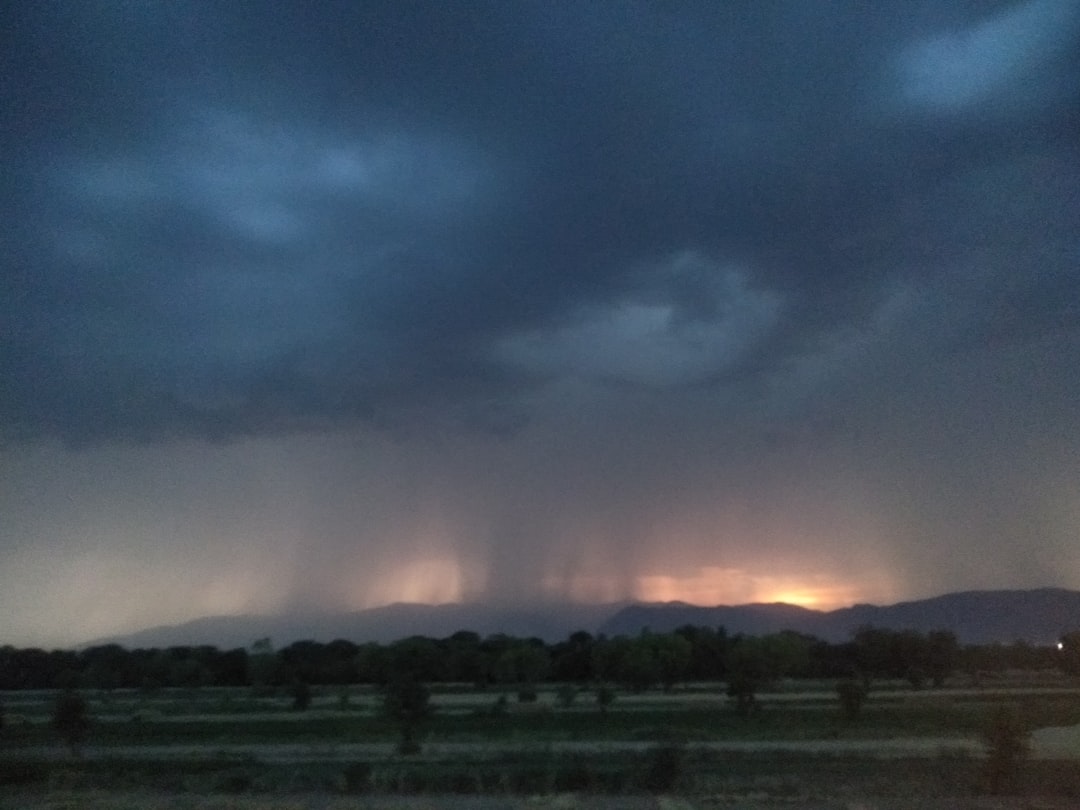
South Africa braces for severe weather as the South African Weather Service issued a Level 8 storm warning—the second-highest designation on the nation's 10-point scale—forecasting widespread disruptive rainfall and dangerous flooding conditions across the Eastern Cape, KwaZulu-Natal, and portions of the Western Cape through May 7.
The warning, reported by BusinessTech, encompasses high-risk zones including George, Knysna, Bitou, Mossel Bay, and Oudtshoorn in the Garden Route, with additional alerts extending to Gauteng—including Johannesburg—and the Northern Cape.
SAWS urged residents to "listen for regular weather updates via radio and social media," "postpone travel arrangements until it is safer," and avoid crossing swollen rivers and streams. The service warned of road flooding affecting both formal and informal settlements, temporary inaccessibility of some communities, infrastructure damage, property loss, and elevated mudslide and rockfall risks in mountainous terrain.
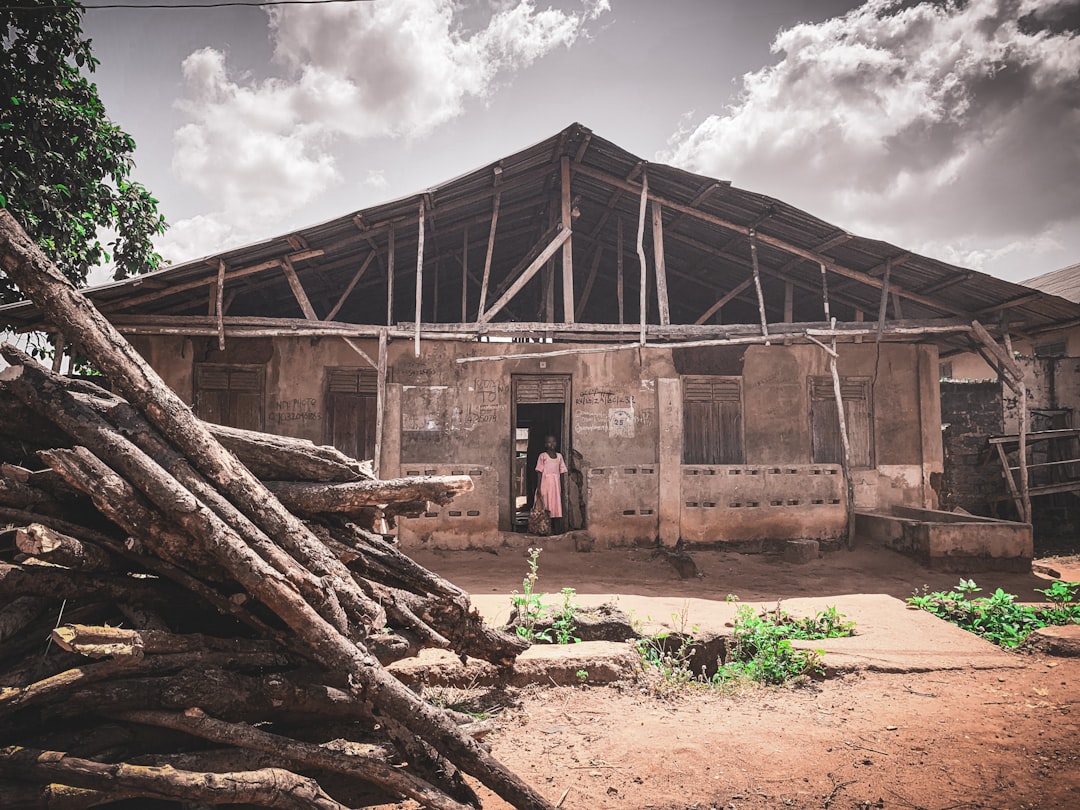
The storm system arrives as South Africa confronts chronic infrastructure vulnerabilities exposed repeatedly by extreme weather events. Informal settlements—home to millions of South Africans—face particular risk, constructed as they are on marginal land prone to flooding, often without adequate drainage or stormwater management. Heavy rainfall transforms these communities into disaster zones with tragic regularity, revealing the persistence of spatial inequality inherited from apartheid-era planning.
Municipal service delivery challenges compound the threat. Aging stormwater infrastructure, clogged drains, and insufficient maintenance mean that even moderate rainfall can overwhelm systems in major cities. The combination of climate change—which scientists project will intensify rainfall variability across southern Africa—and inadequate infrastructure investment creates escalating risk for vulnerable populations.