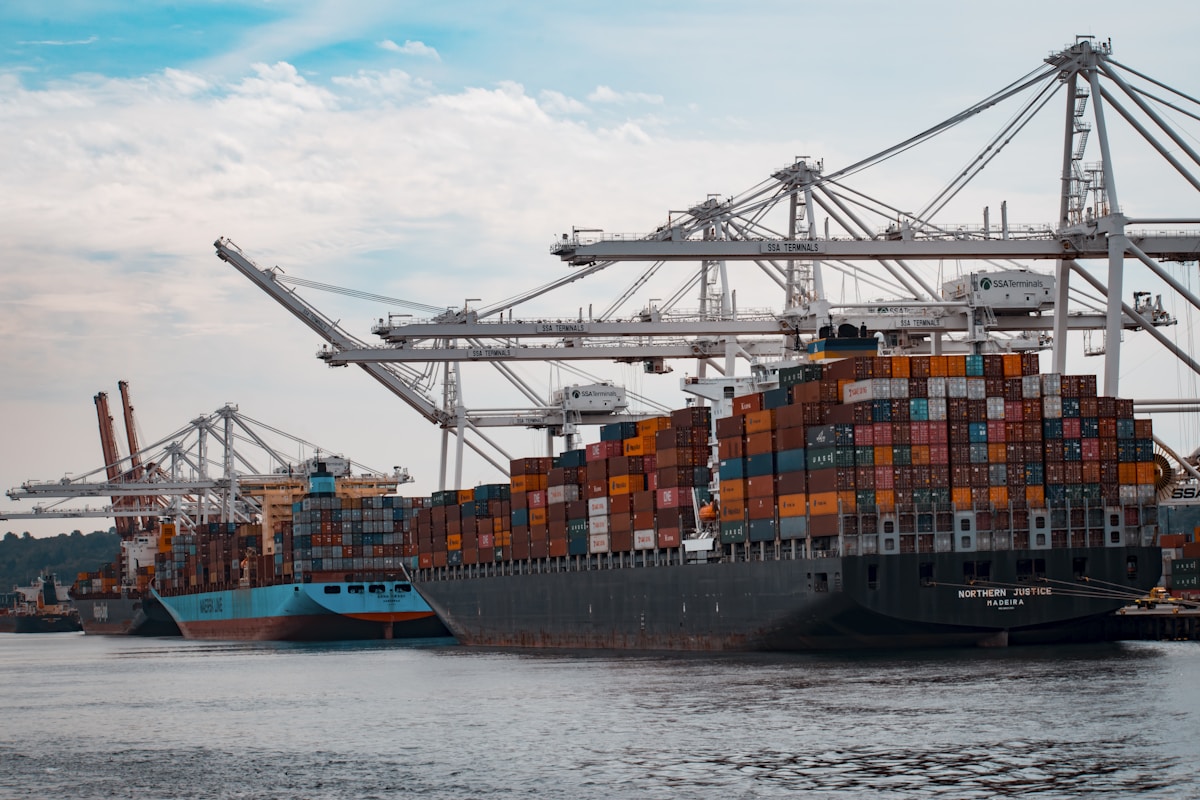
Seoul has transmitted detailed registry information for 26 Korea-related vessels to Tehran in a high-stakes diplomatic effort to secure priority passage through the Strait of Hormuz, where 173 Korean crew members remain stranded alongside approximately 2,200 vessels caught in the US-Iran standoff.
The move, reported by the Korea Times, underscores South Korea's delicate balancing act between maintaining its critical security alliance with Washington and protecting vital economic interests that depend on Middle East energy flows.
Special envoy Chung Byung-ha was dispatched to Iran over the weekend by South Korea's foreign minister, signaling the urgency with which Seoul views the crisis. The Ministry of Foreign Affairs declined to confirm operational details but stated the government remains "in communication with relevant countries on the safe passage of ships staying in the Strait of Hormuz."
The diplomatic initiative comes as a brief US-Iran ceasefire agreement reached on April 8 has unraveled after just two weeks, leaving thousands of commercial vessels trapped in the strategic chokepoint through which nearly one-fifth of global oil supplies typically flow. President Trump has threatened blockades of Iranian ports, further escalating tensions and complicating passage negotiations.
For Seoul, the crisis presents a diplomatic minefield. South Korea relies on Middle East energy imports from US-allied Gulf states, making safe maritime passage through the Strait of Hormuz a strategic necessity. Yet any engagement with Tehran—particularly the sharing of sensitive vessel information required by the Iranian Revolutionary Guard Corps for passage authorization—risks friction with Washington at a time when the US-Korea alliance faces broader strains.
Ban Kil-joo, assistant professor at Korea National Diplomatic Academy, emphasized the imperative for direct Korean diplomatic action. "Each government must actively engage in diplomatic efforts on behalf of its own ships," Ban explained, adding that Korea needs to "highlight that these ships enable oil imports from U.S.-allied Gulf states" to maintain coordination with the US alliance.
The approach reflects Seoul's broader middle-power diplomacy strategy—leveraging specialized channels and pragmatic engagement to protect national interests while managing relationships with major powers. Seoul is simultaneously considering humanitarian aid to the Middle East region per United Nations and international community requests, potentially offering a neutral avenue for regional engagement.
The Hormuz crisis arrives as South Korea navigates an increasingly complex geopolitical environment. Beyond managing US-China strategic competition and persistent North Korea threats, Seoul now must demonstrate the diplomatic agility to protect commercial interests across volatile regions while maintaining alliance credibility.
With 173 Korean seafarers trapped and critical energy supply chains at risk, the diplomatic clock is ticking. Seoul's willingness to engage directly with Tehran—sharing vessel registries and dispatching special envoys—demonstrates how middle powers must increasingly pursue independent diplomatic initiatives when great power confrontations threaten vital national interests.
In Korea, as across dynamic Asian economies, cultural exports and technological leadership reshape global perceptions—even as security tensions persist. Yet the Hormuz crisis reveals a more fundamental reality: for trade-dependent nations like South Korea, diplomatic sophistication and the ability to engage across geopolitical divides remain essential tools of national power, as critical as any military capability or cultural soft power.