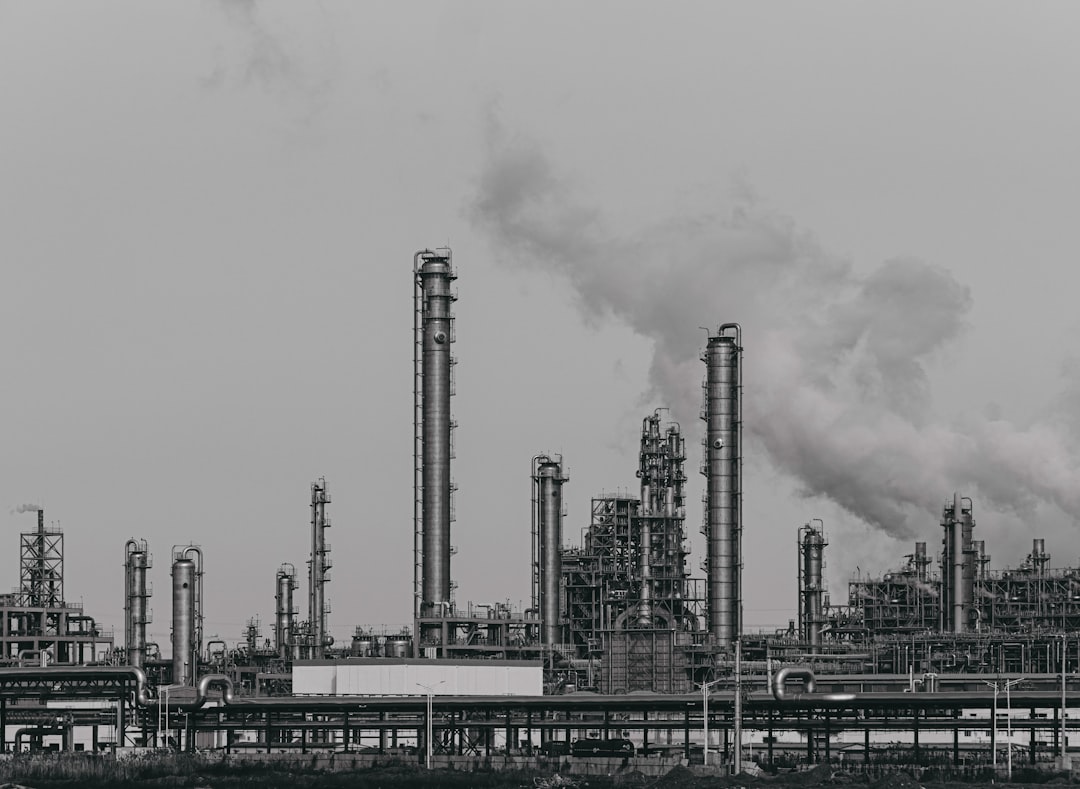
Australian energy giant Santos has shut down its Barossa LNG project just as global gas markets face a supply crisis triggered by Middle East conflicts. The timing, reported by Boiling Cold, raises questions about Australia's role as an energy supplier when domestic and international demand is surging.
Here's the absurdity. Australia is one of the world's largest LNG exporters, shipping gas to Asia and beyond. Yet Australian households and businesses face supply shortages and price spikes. And now, during a global gas crunch, a major domestic producer is shutting down operations.
The Barossa project, located in the Timor Sea off Australia's north coast, was intended to supply the Darwin LNG facility. The project has faced repeated delays and cost overruns, along with environmental challenges and opposition from Traditional Owners concerned about impacts on sacred sites and marine environments.
Santos has not provided detailed public explanations for the shutdown timing. Technical issues, cost pressures, or market conditions could all be factors. But the optics are terrible. Global gas prices are elevated, European nations are scrambling for supply alternatives to Russian gas, and Asia faces energy security concerns. This should be boom time for Australian LNG.
The east coast gas market exemplifies the dysfunction. Australia exports vast quantities of gas while domestic users face shortages. Why? Because export contracts lock in supply at prices often lower than domestic users must pay. The result is gas extracted from Australian territory being sold overseas while Australian manufacturers struggle to secure supply.
Successive governments have failed to implement an effective domestic gas reservation policy. Western Australia requires 15% of gas produced in the state to be reserved for domestic use, ensuring local supply. The eastern states have no equivalent mechanism. Industry lobbying has successfully resisted such policies, arguing they would discourage investment.
The result is the current situation. Gas producers prioritise export contracts over domestic supply. When global prices spike, domestic users get squeezed. And when a major project shuts down, there's no buffer to absorb the lost supply.
Climate advocates have long argued Australia should be transitioning away from fossil fuel exports, not expanding them. The Barossa project faced sustained opposition from environmental groups who argued the project's emissions profile made it incompatible with climate targets. Traditional Owners raised concerns about impacts on sea country and cultural heritage.
From that perspective, the shutdown could be seen as a positive development. But the timing creates a different problem. If Australia is going to transition away from gas, it needs to build alternative energy infrastructure first. Shutting down projects without replacement supply doesn't help the energy transition. It just creates shortages.
The Pacific regional context matters here. Pacific Island nations are completely dependent on imported diesel and petrol for power generation and transport. Fuel price spikes hit them hardest. Australia has positioned itself as a reliable energy partner for the Pacific, offering to supply LNG and support renewable energy transitions.
But how credible is that partnership when Australia can't even guarantee its own domestic gas supply? When major projects shut down without clear explanations? Pacific leaders notice these contradictions.
The federal government has been largely silent on the Barossa shutdown. That silence speaks volumes. Energy security should be a national priority, particularly when global markets are tight and allies are seeking supply. Instead, the government seems content to let the market sort it out.
Mate, there's a whole continent and a thousand islands down here. We're sitting on massive gas reserves, exporting to the world, and somehow still managing to create domestic shortages. That's not just market failure. That's policy failure.