Sanctions are supposed to slow down technological development. Sometimes they do the opposite.
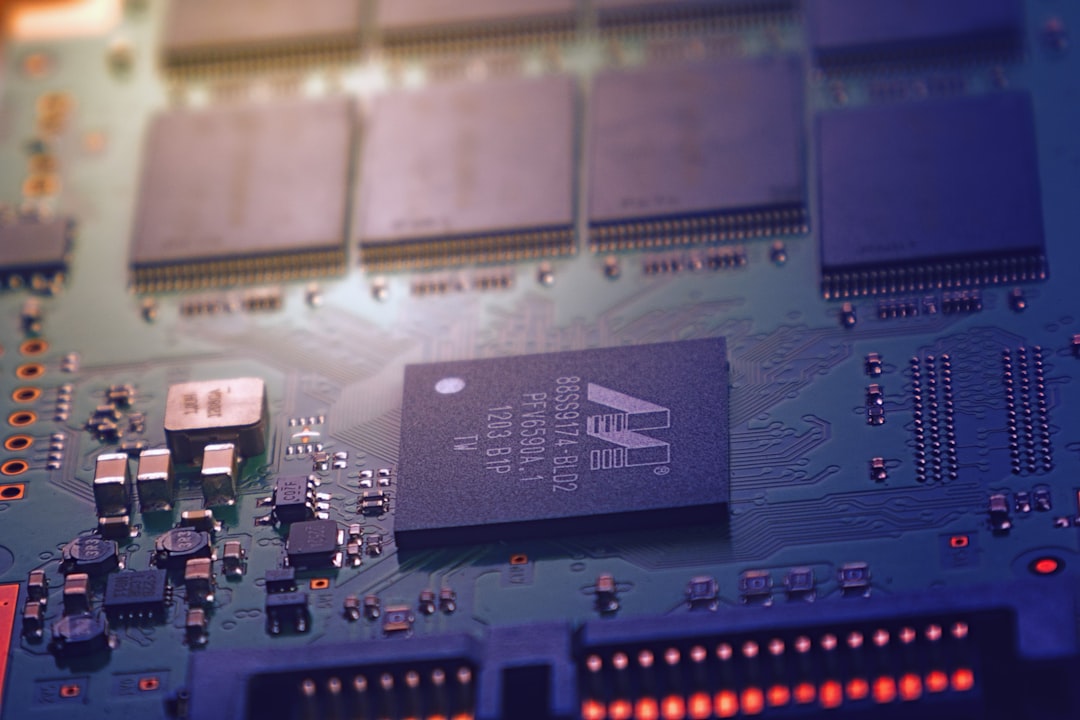
Chinese tech giant Huawei has developed proprietary packaging technology to create 122TB SSDs without using sanctioned 3D NAND chips. The innovation allows them to cram more storage dies into smaller physical footprints, effectively routing around U.S. technology restrictions through sheer engineering creativity.
The constraints were meant to cripple. The U.S. has blocked China from accessing the most advanced semiconductor manufacturing equipment and chip designs, including the latest 3D NAND flash technology that makes high-capacity storage possible. The goal was to keep Chinese tech companies a generation or two behind Western competitors.
Instead, Huawei went around the problem. If they couldn't get the latest high-density chips, they'd figure out how to pack more older chips into the same space. The result is a 122TB SSD - a capacity that matches or exceeds anything available from Western manufacturers - built using technology that doesn't violate sanctions.
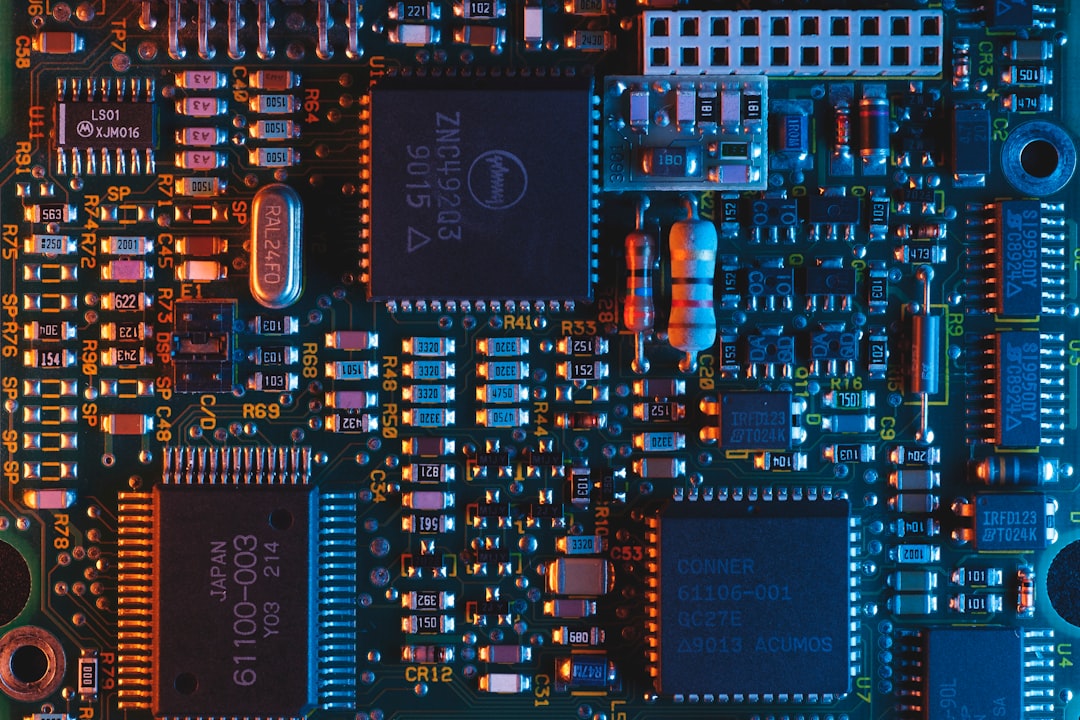
The packaging innovation isn't trivial. Fitting more NAND dies into a standard form factor requires solving thermal management problems, ensuring signal integrity across more complex interconnects, and maintaining reliability with higher component density. These are hard engineering problems that require deep expertise and significant R&D investment.
This is exactly what happened with China's space program. When the U.S. blocked them from participating in the International Space Station and restricted technology transfers, China didn't give up on space. They built their own space station, developed their own launch vehicles, and landed rovers on the far side of the moon. Constraints forced innovation.
The same dynamic is playing out across the Chinese tech sector. Can't buy the latest AI chips? Design your own. Can't access cutting-edge semiconductor fabs? Build domestic capacity, even if it takes a decade. Can't license Western technology? Develop your own proprietary alternatives.
From a pure market competition standpoint, this is terrible news for Western tech companies. They're not competing against a backwards Chinese industry anymore. They're competing against highly motivated engineers with massive state backing who've been explicitly told they need to achieve technological independence.
The 122TB SSD is impressive on its merits - that's an enormous amount of storage in a single drive. But the real story is the capability it represents. Huawei has developed packaging technology sophisticated enough to compensate for not having access to the latest chip designs. That expertise doesn't disappear. It becomes the foundation for the next innovation.
The U.S. strategy assumes that controlling access to cutting-edge technology will maintain American technological superiority. What it's actually doing is creating a parallel tech ecosystem in China that's learning to solve problems without Western dependencies. In ten years, that might matter a lot more than winning today's trade war.
Sanctions can work when the target lacks the resources or expertise to work around them. China has both. What they lacked was motivation to invest in alternatives while Western technology was available. Sanctions provided that motivation.
The technology is impressive. The question is whether forcing China to develop independent technological capabilities is actually achieving American strategic goals, or just accelerating the emergence of a competitor that won't need Western technology at all.