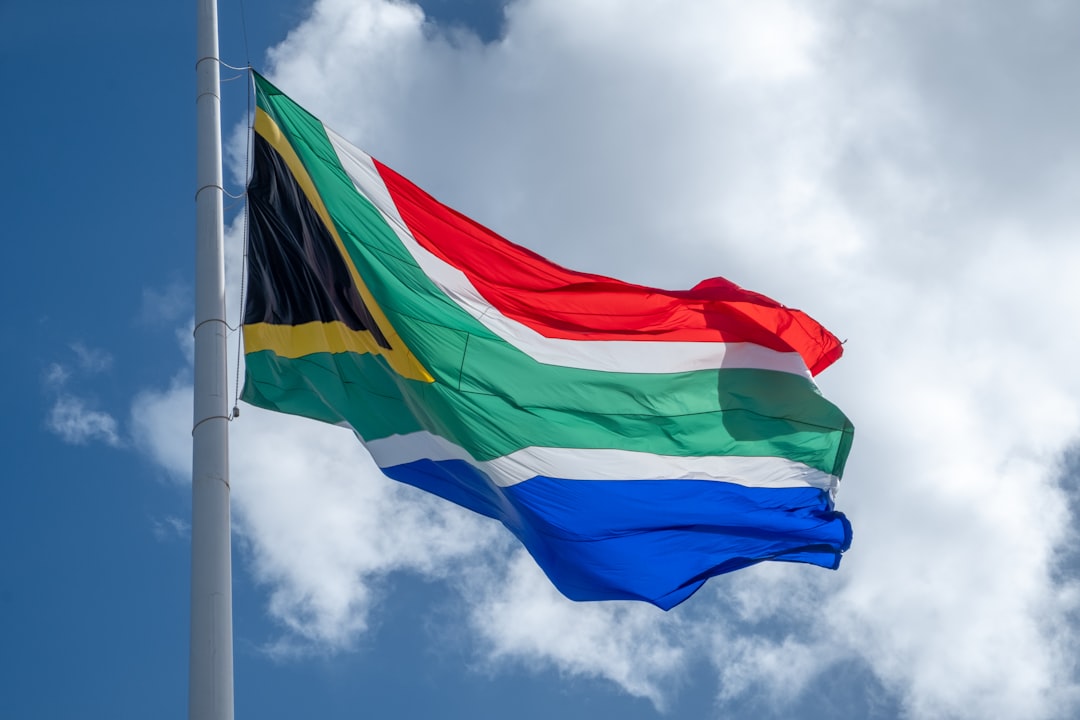
South Africa's public broadcaster and the presidency rushed to deny censorship claims following the abrupt cancellation of a political talk show, raising fresh questions about media independence in the nation's Government of National Unity era.
The South African Broadcasting Corporation (SABC) cancelled Face the Nation, a long-running political interview program, prompting allegations that government pressure influenced the decision. The show was known for its hard-hitting interviews with senior politicians and had become a fixture of South African political discourse.
Both the Presidency and SABC management issued statements denying that censorship played any role in the cancellation, according to News24. Yet the very fact that such high-level denials were deemed necessary underscores ongoing concerns about political pressure on public media.
The timing is significant. South Africa is navigating a delicate Government of National Unity (GNU) coalition following elections that produced no outright winner, bringing together the African National Congress, Democratic Alliance, and smaller parties. The coalition has promised respect for democratic institutions, including press freedom—a cornerstone of the post-apartheid constitutional order.
Yet the SABC has a troubled history with editorial independence. During the presidency of Jacob Zuma, the broadcaster faced allegations of political interference, censorship of protest coverage, and the purging of critical journalists. These episodes damaged public trust and highlighted the vulnerability of state media to executive pressure.
In South Africa, as across post-conflict societies, the journey from apartheid to true equality requires generations—and constant vigilance. The country's 1996 Constitution enshrines media freedom, and independent journalism has thrived in the democratic era. Yet the SABC, as a public institution dependent on government funding, remains susceptible to political influence.