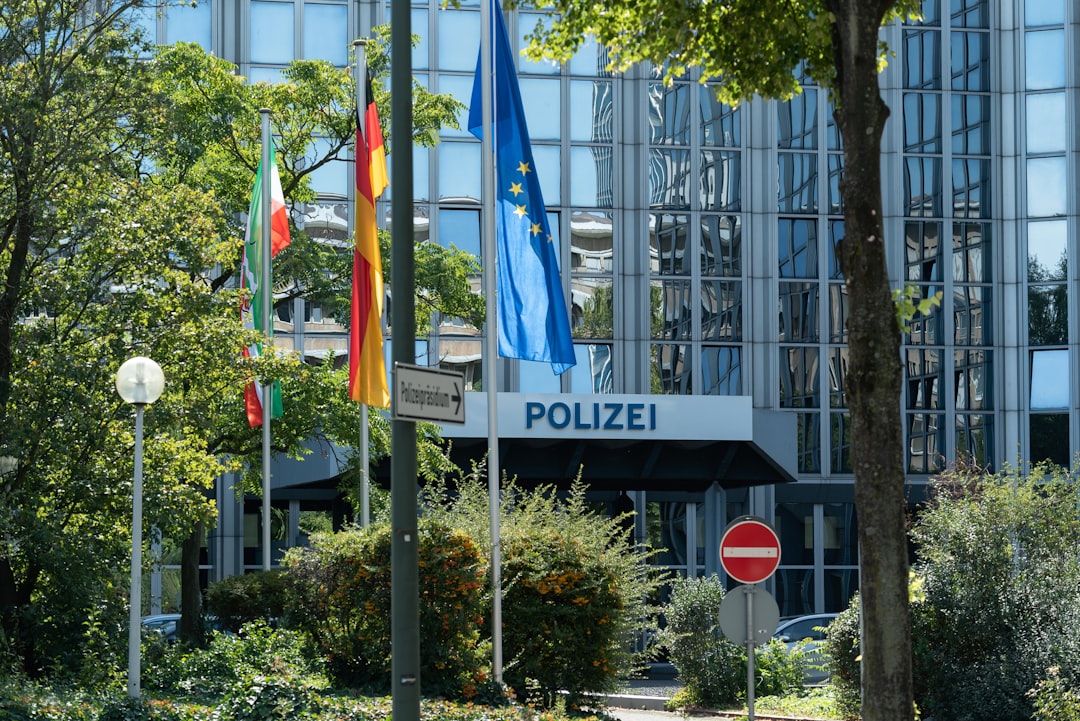
An investigation by Politico has uncovered sophisticated networks of German front companies used by Russia's military establishment to circumvent European Union sanctions, revealing significant enforcement challenges as the sanctions regime enters its third year.
The investigation exposes how Russian military procurement networks have established shell companies on German soil, exploiting gaps in European enforcement mechanisms to acquire restricted technology and equipment. According to the report, these front companies operate with enough plausible deniability to evade immediate detection while channeling critical supplies to Russia's defense sector.
In Russia, as in much of the former Soviet space, understanding requires reading between the lines. The Kremlin has long demonstrated adaptability in circumventing Western restrictions, drawing on post-Soviet networks that blur the boundaries between state and private enterprise. What distinguishes the current sanctions evasion efforts is their systematic exploitation of Western regulatory frameworks, particularly in Germany, where complex corporate structures and cross-border trade flows create enforcement blind spots.
The German case highlights a persistent tension in European sanctions policy. While Brussels has imposed successive rounds of restrictions targeting Russia's military-industrial complex since February 2022, implementation remains decentralized across member states with varying enforcement capabilities and political will. Germany, as Europe's largest economy and traditionally Russia's primary European trading partner, represents both a critical enforcement jurisdiction and a vulnerable point in the sanctions architecture.
Sanctions experts note that front company schemes typically involve multiple layers: legitimate-appearing German entities purchasing dual-use goods, often through third countries, before ultimate diversion to Russian military end-users. The complexity of modern supply chains, combined with limited resources for customs enforcement and financial intelligence, creates opportunities for sophisticated actors.
The investigation arrives as European policymakers debate the effectiveness of their sanctions strategy. While Western restrictions have complicated Russia's military procurement and constrained its economy, Moscow has demonstrated resilience through import substitution, reliance on Asian suppliers, and precisely these kinds of evasion networks. The persistence of German-based front companies three years into the sanctions regime suggests enforcement mechanisms have not kept pace with evasion tactics.