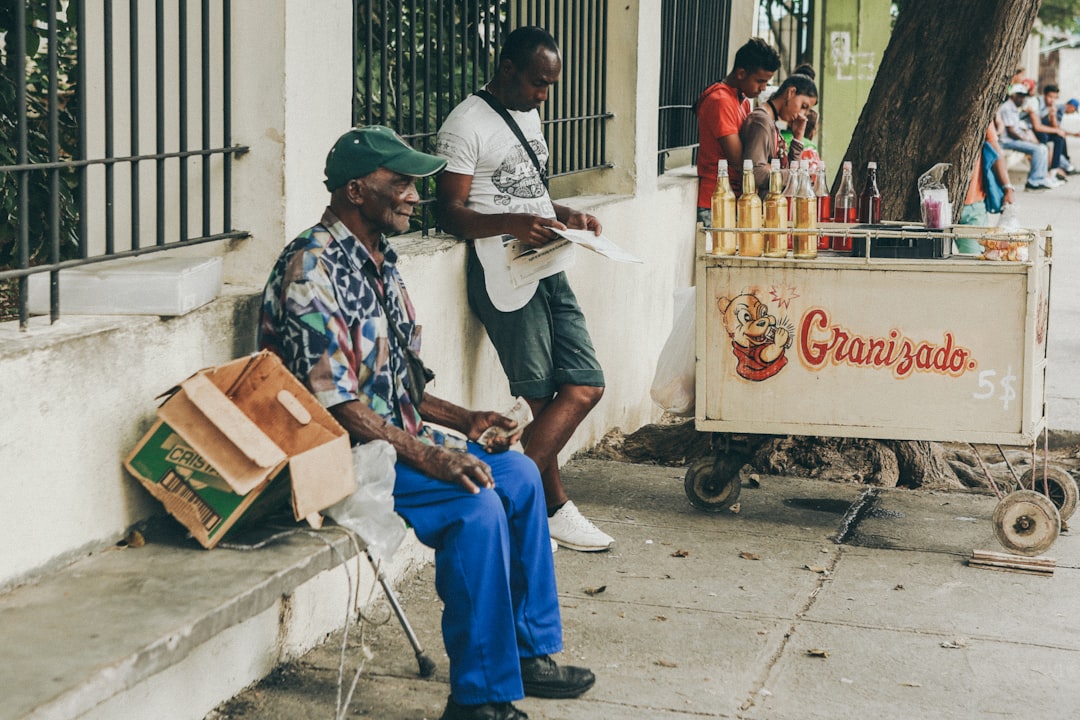
Russia is preparing its second oil shipment to Cuba in as many months, a significant expansion of Moscow's presence in the Caribbean that occurs with the explicit blessing of the Trump administration."We don't mind," President Trump told reporters Tuesday when asked about Russian energy deliveries to the communist island just 90 miles from Florida. The statement, reported by the Kyiv Independent, marks a notable departure from traditional U.S. foreign policy in what was once considered America's sphere of influence.To understand today's headlines, we must look at yesterday's decisions. The Monroe Doctrine, articulated in 1823, established that the United States would view any European intervention in the Western Hemisphere as a threat to American security. For two centuries, that principle guided U.S. policy toward Latin America, justifying everything from trade agreements to military interventions.That era now appears definitively over. The Trump administration's transactional approach to foreign policy has effectively ceded influence in America's traditional backyard while concentrating resources on confrontation with Iran and economic competition with China.Cuba faces an acute energy crisis following decades of economic mismanagement and the deterioration of its domestic oil infrastructure. The island's Soviet-era power plants and refineries operate sporadically, leaving millions of Cubans without reliable electricity for hours each day. Russian oil shipments, arriving via tankers that departed from Black Sea ports, provide desperately needed fuel to keep the lights on in Havana.The deepening Russia-Cuba energy relationship carries strategic implications beyond immediate humanitarian relief. Moscow has historically used energy dependency as a tool of political influence, a pattern well-documented in Europe before the 2022 Ukraine invasion. Cuba's growing reliance on Russian oil gives Moscow substantial leverage over the island's foreign policy decisions."This is Russia establishing a client state 90 miles from American shores," said Eric Farnsworth, vice president of the Council of the Americas. "Previous administrations would have viewed this as unacceptable. The current administration appears not to care."The indifference is particularly striking given the Trump administration's otherwise aggressive posture toward leftist governments in Latin America. Washington has imposed harsh sanctions on Venezuela, threatened military intervention in Nicaragua, and openly supported opposition movements across the region. Yet Russian energy shipments to Cuba—which directly undermine U.S. sanctions policy—elicit only a shrug.The strategic logic appears to be prioritization: with American military and diplomatic resources focused on the Middle East, the administration has little appetite for Caribbean confrontations that serve no immediate economic or political interest.Regional analysts warn that this approach creates a vacuum that Russia and China are eager to fill. Beijing has expanded infrastructure investments across Central America and the Caribbean, while Moscow has reestablished military cooperation agreements with several governments.Cuban officials have welcomed the Russian assistance, calling it "humanitarian support from a traditional friend." The first shipment, which arrived in February, carried approximately 1.2 million barrels of crude oil—enough to meet Cuban demand for roughly two weeks. The second shipment is expected to be of similar size.For ordinary Cubans, the geopolitical maneuvering matters less than the practical reality: Russian oil means fewer blackouts and functioning refrigeration for food storage. But the longer-term implications extend far beyond the island. Washington's willingness to tolerate Russian expansion in its traditional sphere of influence signals a fundamental reordering of American foreign policy priorities, with consequences that will shape hemispheric politics for years to come.
|