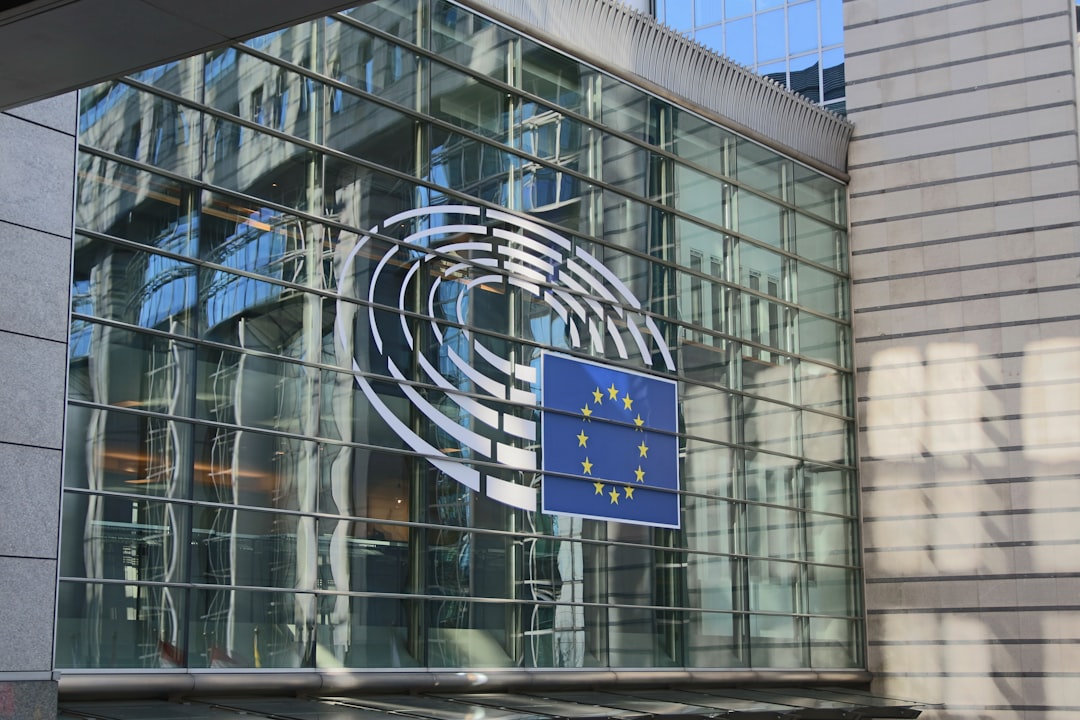
The European Union has quietly backed away from enforcing several key provisions of its landmark digital regulations after intense pressure from the Trump administration and American tech companies, according to officials familiar with the negotiations.The retreat, described by Politico Europe as a "fatal decision," undermines enforcement of the Digital Services Act and Digital Markets Act—regulations that were supposed to curb the power of major technology platforms and protect European consumers from harmful content and anti-competitive practices.To understand today's headlines, we must look at yesterday's decisions. The EU spent years crafting what was billed as the world's most comprehensive digital regulation regime, aiming to establish Brussels as a global standard-setter on technology governance. The regulations, which took effect in 2023 and 2024, required large tech platforms to be more transparent about their algorithms, gave users more control over their data, and imposed heavy fines for violations.But enforcement was always going to require political will, and that will has now buckled under American pressure. The Trump administration made clear that aggressive enforcement of EU digital rules would be met with retaliatory tariffs on European exports, particularly targeting Germany's automotive sector and France's luxury goods industry."This is a fundamental capitulation," said Margrethe Vestager, the EU's former competition commissioner who championed the digital regulations before leaving office last year. "We spent a decade building these rules, and now we're abandoning them the moment they become inconvenient for Washington."The specific concessions remain partially undisclosed, but sources in Brussels indicate that the European Commission has agreed to delay major enforcement actions against several U.S. tech giants, including potential breakup orders and billion-euro fines. The Commission has also reportedly softened requirements around algorithmic transparency, bowing to Silicon Valley arguments that such disclosures would reveal trade secrets.The timing is revealing. Europe has taken an independent, even defiant stance on the Strait of Hormuz crisis, convening 35 nations for diplomatic talks while pointedly excluding Washington. Yet on digital regulation—where European economic interests are directly at stake—Brussels has chosen accommodation over confrontation."It exposes the limits of European autonomy," noted Ulrike Franke, a senior policy fellow at the European Council on Foreign Relations. "Europe can chart an independent course on Middle East diplomacy because it costs relatively little. But when Washington threatens real economic pain, European unity collapses."European digital rights advocates have reacted with fury. More than 40 civil society organizations signed an open letter condemning the Commission's decision, arguing that it "betrays European citizens who were promised protection from algorithmic manipulation and data exploitation."The tech industry, unsurprisingly, welcomed the development. "These regulations were always overly prescriptive and would have stifled innovation," said a spokesperson for the Computer & Communications Industry Association, a trade group representing major U.S. tech companies. "The Commission's decision to take a more balanced approach is good news for consumers on both sides of the Atlantic."The controversy highlights a deeper question about Europe's place in a world increasingly defined by U.S.-China competition. European officials frequently speak of "strategic autonomy" and a distinct European approach to technology governance. But when push comes to shove, Europe's economic dependence on American security guarantees and market access constrains how independent it can actually be.France and Germany reportedly pushed hardest for the concessions to Washington, fearing tariffs would devastate their export industries. Smaller EU member states, particularly Poland and the Baltic nations, were more willing to stand firm but lacked the political weight to prevent the reversal.The episode may foreshadow broader challenges for European regulatory ambitions. Brussels has positioned itself as a global leader on artificial intelligence governance, privacy protection, and platform accountability. But if those rules can be negotiated away under American pressure, their credibility as international standards diminishes considerably.
|