
US Secretary of State Marco Rubio arrived in China Tuesday for his first visit to the country, enabled by a linguistic workaround that allowed him to circumvent Beijing's sanctions: adopting a new Chinese name.
According to The Guardian, Rubio—who has been sanctioned by China since 2020 for his vocal criticism of Beijing's policies in Xinjiang and Hong Kong—was granted entry after Chinese officials agreed to recognize him under a newly assigned name for diplomatic purposes. The maneuver represents a rare instance of Beijing finding face-saving flexibility in its otherwise rigid sanctions regime.
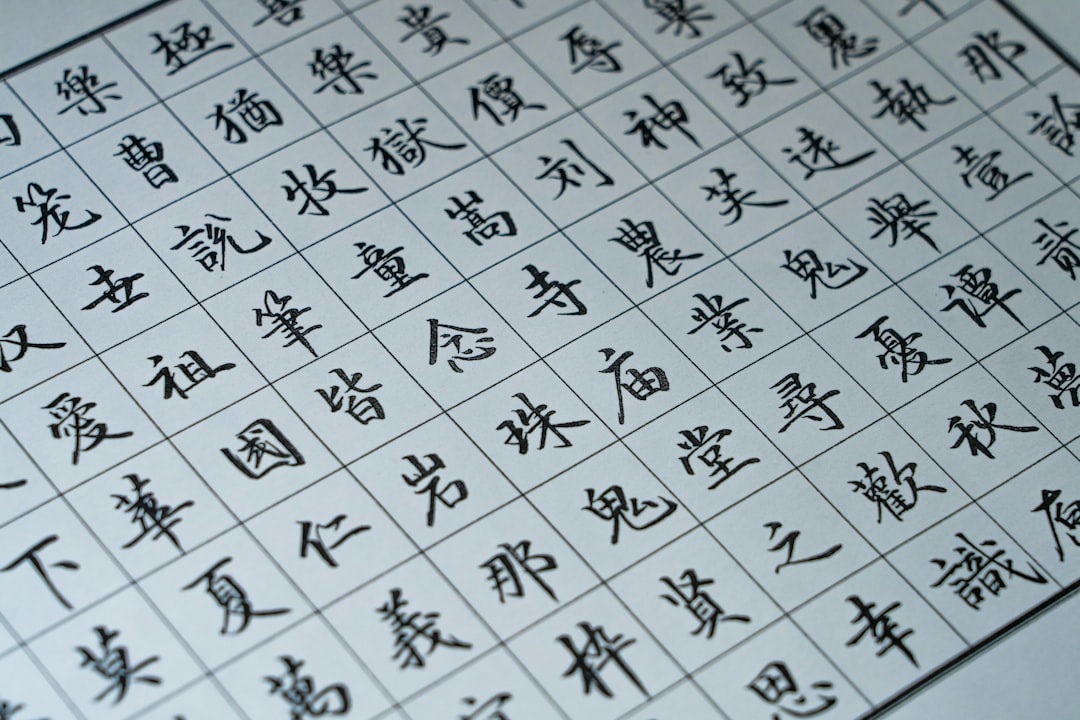
In Chinese bureaucratic practice, names carry legal weight. Rubio's previous Chinese name, 盧比奧 (Lú Bǐ'ào), appears on sanctions lists maintained by the Ministry of Foreign Affairs. By adopting a new transliteration—reportedly 魯比歐 (Lǔ Bǐ'ōu)—he technically became a different person in Chinese administrative systems, though the pronunciation remains nearly identical.
The character choices in diplomatic naming are never accidental. While both versions phonetically approximate "Rubio," the selection of different characters (字, zì) can subtly shift meaning and connotation. The character 盧 (lú) in the original name can mean "hut" or "cottage," while 魯 (lǔ) in the new version references the ancient state of Lu, birthplace of Confucius, and can connote straightforwardness—a quality that can be read as either honest or crude depending on context.
This linguistic solution allowed both sides to claim they had not compromised core principles. Beijing maintains its sanctions list remains intact and unaltered. Washington can assert that its Secretary of State was not forced to seek permission or apologize for past statements. The ambiguity is the point.
The precedent matters. has sanctioned numerous Western officials, including members of Congress, European parliamentarians, and academics, for their positions on human rights issues. Most have been unable to obtain visas for travel to . 's successful entry suggests may be willing to find creative workarounds when diplomatic priorities align.