
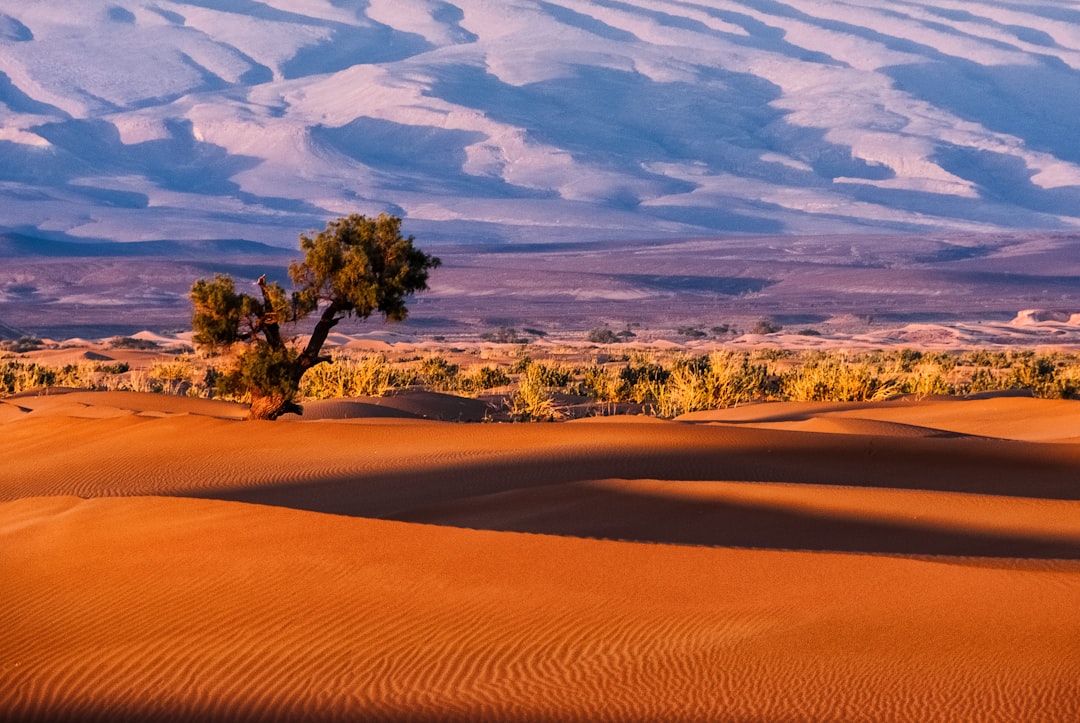
After years of failed tree-planting efforts in Africa's Sahel region, conservationists discovered an unlikely solution: 500 African spurred tortoises accomplished what human intervention could not, transforming barren desert into thriving vegetation visible from space.
The breakthrough, documented by conservation researchers, represents a paradigm shift in desert restoration—demonstrating that nature's architects often work more effectively than engineered solutions.
Repeated attempts at direct afforestation in the Sahel consistently failed due to harsh conditions, lack of water retention, and poor soil quality. Seedlings withered under the relentless sun. Irrigation systems proved unsustainable. Yet within months of releasing the tortoises, satellite imagery revealed expanding patches of green across previously lifeless terrain.
<h2>Nature's Ecosystem Engineers</h2>
The African spurred tortoise (Centrochelys sulcata) functions as what ecologists call an ecosystem engineer—a species that creates conditions allowing other organisms to thrive. As the tortoises moved through the landscape, they performed several critical functions simultaneously.
Their grazing patterns dispersed seeds across wide areas through their digestive systems. Seeds passed through tortoise guts showed significantly higher germination rates than seeds planted directly, likely due to the scarification process and nutrient enrichment from digestion.
The tortoises' burrows—some excavated several meters deep—created shaded microhabitats where temperatures remained 15-20 degrees cooler than the surface. These burrows became refuges for small plants during establishment, protecting them from desiccation and herbivory. The excavated soil, brought from deeper layers, also introduced nutrients to the surface.
Perhaps most importantly, tortoise dung provided both nutrients and moisture retention. In an environment where organic matter is scarce, each tortoise effectively functioned as a mobile fertilization unit, enriching soil wherever it traveled.
<h2>Visible Success From Orbit</h2>