
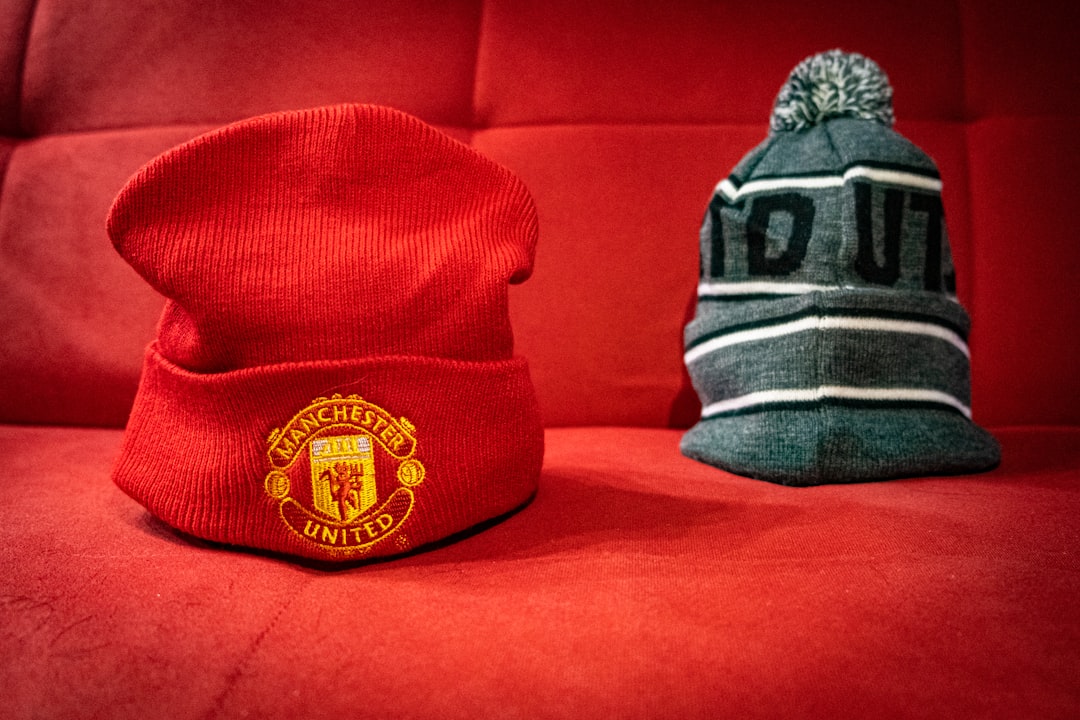
Some stories get better with age. This is one of them.
Ange Postecoglou, current Tottenham manager, recently shared an incredible story from 26 years ago. His semi-professional club was playing Manchester United in the World Club Championship in Brazil. After the match, some United players refused to give their shirts to Postecoglou's players.
Then Roy Keane stepped in.
He made them give the shirts. Not asked. Not suggested. Made them.
Postecoglou's words still carry the emotion from that day: "The impression that made on my players was unbelievable."
Here we are, 26 years later, and he's telling this story like it happened yesterday. That's the power of respect. That's the impact of leadership. That's Roy Keane in a nutshell.
Let's set the scene: Manchester United was one of the biggest clubs in the world. Keane was their captain, their enforcer, their leader. They were playing a semi-pro team - a team that had no business being on the same field with them. After the match, it would've been easy to walk off, shake a few hands, and move on.
But to those semi-pro players? Those shirts were everything. They were proof they'd shared a pitch with Man United. They were going to hang them on their walls, show them to their kids, tell stories about the day they played against one of the greatest teams in football.
And some United players were going to deny them that.
Not on Keane's watch.
This is what separates good leaders from great ones. understood what those shirts meant. He understood the power dynamic. He understood that for his teammates, it was just another shirt. But for those semi-pro players, it was a .