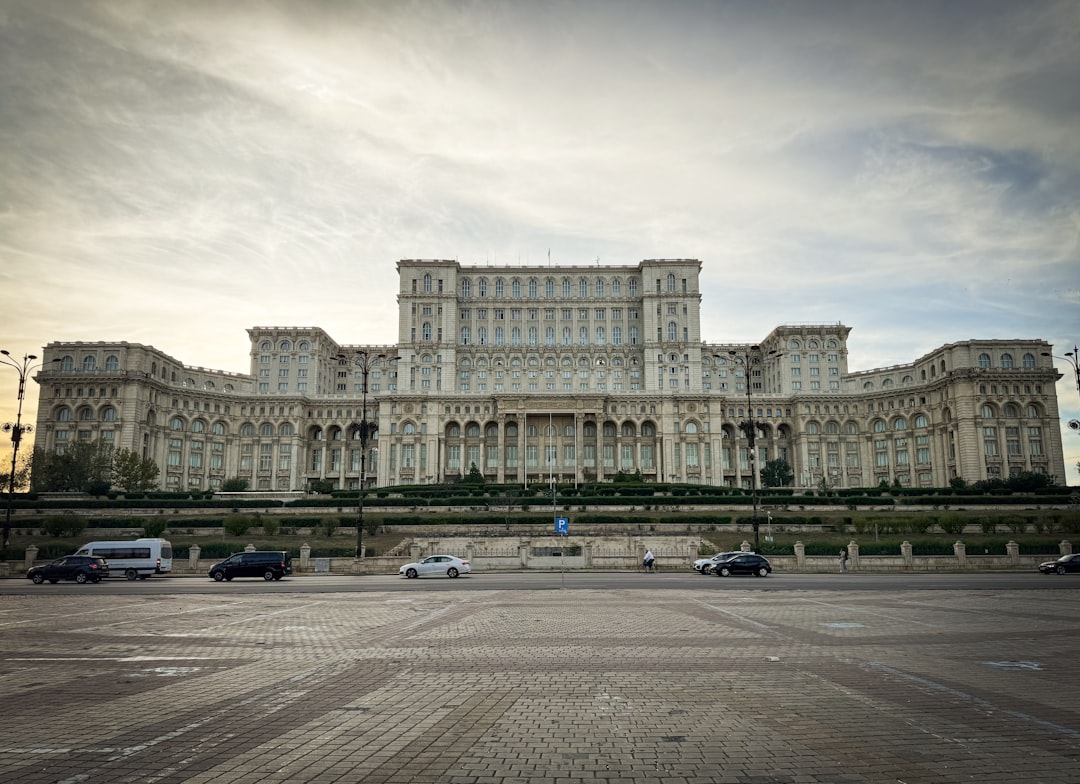
Romania's fragile governing coalition descended into crisis Wednesday as budget debates exposed deep divisions over social spending and the growing leverage of the far-right Alliance for the Union of Romanians (AUR), which now holds effective veto power over parliamentary arithmetic.
The Social Democratic Party (PSD) abruptly suspended budget proceedings and walked out of joint budget committee sessions after its proposed amendment—allocating 1.1 billion lei for one-time pension assistance to 2.8 million low-income pensioners and families with disabled children—failed to secure passage despite receiving 23 votes in favor.
The amendment's defeat came not from outright opposition but from a calculated abstention by AUR parliamentarians, who were present in the chamber but declined to vote. Under parliamentary rules, the measure required 26 votes—half plus one of the 51 lawmakers present—leaving it three votes short. AUR's tactical withdrawal proved decisive, transforming the party from opposition force into de facto kingmaker.
"AUR withheld support because PSD refused to back our own amendments for other citizen categories," sources familiar with the party's position told Romanian media. The strategic maneuver exposed the coalition's dependence on opposition cooperation for major fiscal decisions—a vulnerability that threatens Romania's ability to meet EU fiscal discipline requirements while managing domestic political pressures.
PSD Senator Daniel Zamfir responded with stark warnings, declaring that PSD parliamentarians would boycott further budget discussions unless the pension amendment received reconsideration. "We will reject the Finance Ministry's entire budget," Zamfir stated, effectively threatening to block the comprehensive budget approval required for local government operations nationwide.
The crisis represents more than parliamentary theater. Romania faces intense pressure from Brussels to reduce its budget deficit below 3% of GDP while managing inflation, energy price increases linked to Middle East instability, and growing public demands for social spending. The country's deficit reached 6.62% in 2024, prompting the European Commission to place Bucharest under enhanced fiscal surveillance.
For Romania, a country that joined the European Union in 2007 but has struggled with , the current impasse highlights the ongoing tension between EU fiscal discipline and domestic political imperatives. The coalition—comprising PSD, the National Liberal Party (PNL), the reformist Save Romania Union (USR), and the ethnic Hungarian UDMR—was assembled to keep AUR and other extremist parties out of government following contested elections.