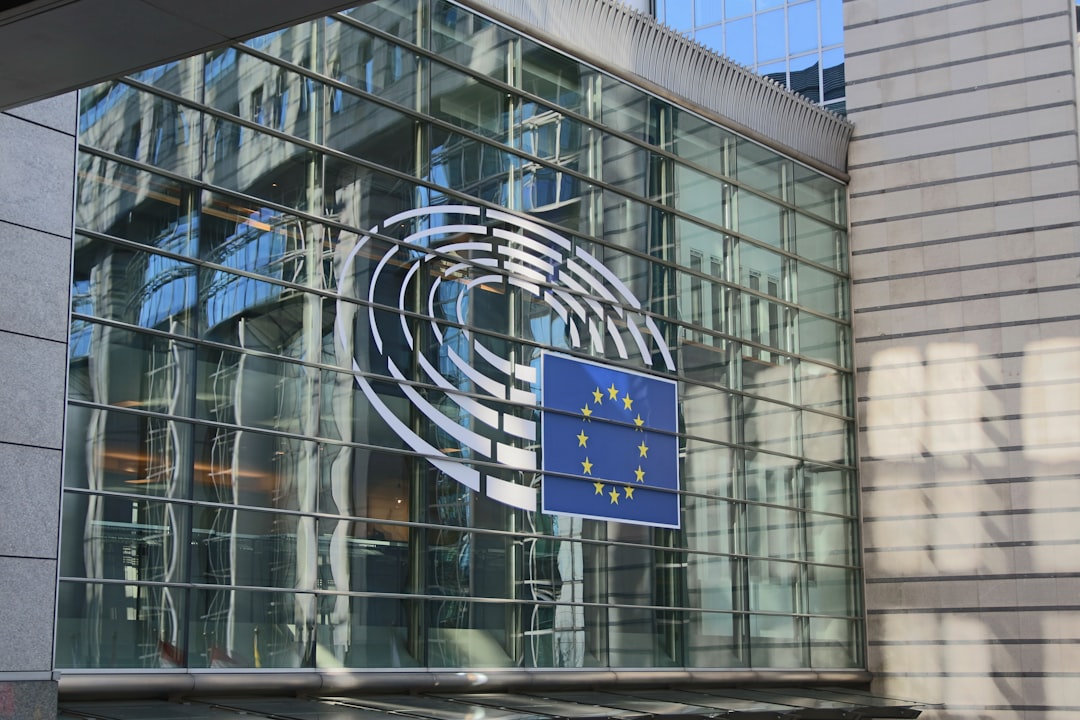

Romania's fragile coalition government collapsed Monday as the Liberal Party (PNL) voted decisively to end its partnership with the Social Democrats (PSD), following a no-confidence motion that toppled Prime Minister Atul Bolojan's administration just weeks after it took office.In a stark 34-10 vote with no opposition, PNL's leadership endorsed Bolojan's proposal to move into opposition rather than continue governing alongside the Social Democrats, who had joined with the far-right AUR party to bring down the government they themselves helped form."PSD is no longer a credible partner for PNL in forming a government," Bolojan declared after the vote, marking a dramatic realignment in Romanian politics that leaves the country without a clear path forward at a critical moment for its European integration.The collapse comes as Romania pushes for full Schengen membership and seeks to strengthen its position on NATO's eastern flank amid heightened tensions in the Black Sea region. Brussels has yet to comment officially, though European Commission sources expressed concern about political stability in a member state that joined the EU in 2007 but has long struggled with governance challenges.<strong>A Betrayal or Strategic Reset?</strong>The crisis began when 281 parliamentarians—including PSD deputies and the nationalist AUR—supported a no-confidence motion against the coalition government they had supported just weeks earlier. The move stunned political observers and triggered the internal Liberal vote that formalized the coalition's end.Deputy PNL leader Robert Sighiartău described the decision as reflecting "major consensus" within the party, though a minority faction led by Hubert Thuma and Cătălin Predoiu abstained, signaling continued divisions over whether to cooperate with the Social Democrats.For Romania, a country where post-communist political culture has long featured fluid alliances and tactical betrayals, the collapse raises familiar questions: Is this genuine reform, or merely political opportunism dressed in anti-corruption rhetoric?PNL has announced it will assume a "constructive opposition" role, contributing to parliamentary work without joining a PSD-led government. Meanwhile, Bucharest mayor Nicușor Dan, an independent figure with growing influence, has called for calm and insisted Romania will maintain a "pro-Western government," though the mechanics of forming one remain unclear.The Romanian leu continued to depreciate against the euro following the government's fall, reflecting investor nervousness about prolonged political uncertainty in a country already grappling with fiscal challenges and EU pressure to consolidate its budget deficit.In Romania, as across Eastern Europe, the transition is not over—it's ongoing. This latest crisis demonstrates that nearly two decades after EU accession, the country's democratic institutions remain vulnerable to the kind of political volatility that has long characterized the post-communist period.What comes next depends on whether President Klaus Iohannis can broker a new coalition or whether Romania faces early elections that could further empower nationalist forces at a time when the country's strategic importance has never been greater.
|