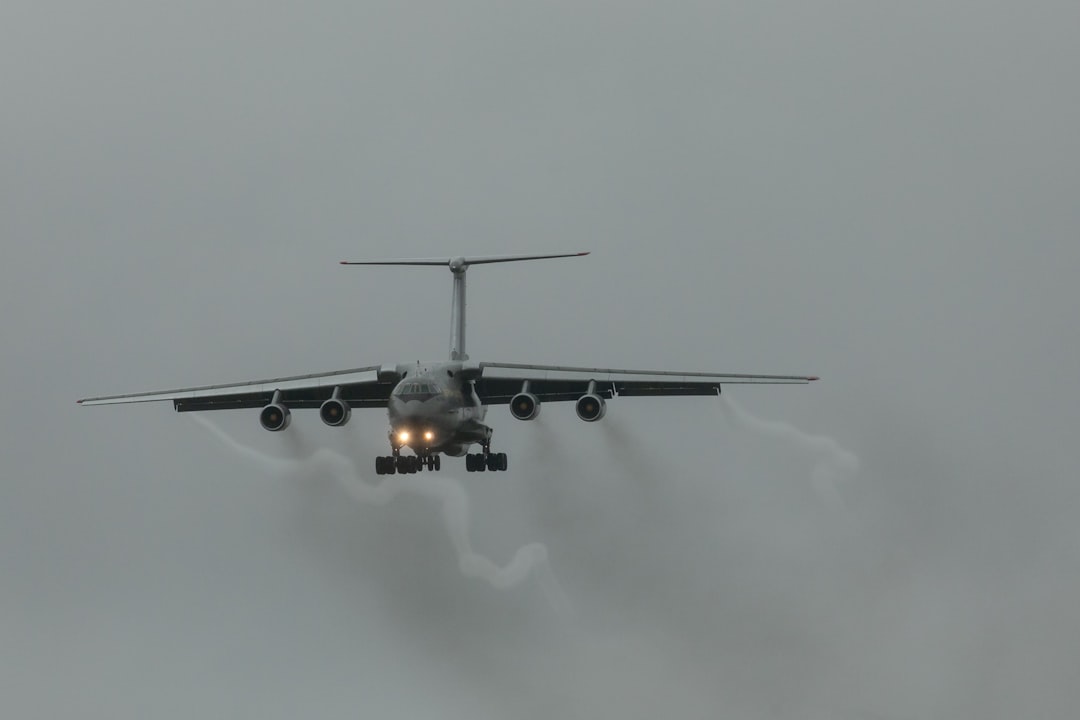
The World Health Organization has initiated contact tracing for more than 80 passengers who shared an international flight with a person who later tested positive for hantavirus, reviving questions about aviation health protocols and their adequacy for detecting rare but dangerous pathogens.
According to The Manila Times, the WHO coordinated response involves multiple national health authorities tracking individuals who may have been exposed during the flight. Hantavirus, while not typically considered highly contagious between humans, can cause severe pulmonary illness with significant mortality rates in confirmed cases.
To understand today's headlines, we must look at yesterday's decisions. The COVID-19 pandemic prompted substantial revisions to international aviation health protocols, yet systems designed primarily for respiratory virus detection may not effectively identify passengers infected with less common pathogens that present different symptom profiles.
Hantavirus infections typically result from exposure to rodent droppings or urine, rather than human-to-human transmission. However, public health authorities treat any confirmed case on international transport as requiring precautionary contact tracing, particularly given uncertainties about transmission dynamics for some hantavirus strains.
The case highlights persistent vulnerabilities in global health security systems that must balance practical constraints of mass international travel against theoretical risks from a vast range of potential pathogens. Airlines and health authorities cannot realistically screen for every possible infectious disease, requiring prioritization based on likelihood and transmissibility.
Aviation medicine experts note that pre-flight health screening, even when rigorously applied, remains limited in its ability to detect infectious individuals during disease incubation periods. Temperature checks and symptom questionnaires, the primary tools available at airport security points, provide only basic filtering.
The WHO's coordination role reflects established international health regulations that assign the organization responsibility for managing potential public health emergencies of international concern. While hantavirus has not been designated as such, any unusual pathogen detection on international transport triggers standardized investigation protocols.
Contact tracing across multiple national jurisdictions presents logistical challenges, as passengers may have continued to other destinations after the index flight. Public health systems must coordinate through diplomatic channels and international health frameworks to locate and assess individuals who may be in various countries.
Medical authorities emphasize that hantavirus risk to fellow passengers is likely minimal, as most transmission requires sustained exposure to contaminated materials rather than casual contact. However, the precautionary approach reflects post-COVID heightened sensitivity to any potential pathogen spread through aviation networks.
The case also raises questions about where the initial infection occurred and whether environmental health standards at the departure or transit locations require investigation. Hantavirus presence typically indicates rodent populations in proximity to human activity, a potential public health concern independent of the aviation aspects.
How passengers respond to contact tracing requests will test voluntary compliance systems that most national health authorities rely upon. Unlike some jurisdictions that deployed mandatory quarantine during COVID-19, current international norms generally depend on individuals cooperating with health guidance without legal enforcement.
The incident will likely inform ongoing discussions about aviation health security protocols and whether existing systems require modification to address lessons learned from the pandemic. Balancing practical constraints of mass international travel against theoretical health risks remains an unresolved policy challenge.
Public health experts note that effective surveillance requires reporting systems that encourage rather than punish disclosure. If passengers or airlines fear excessive disruption from transparent reporting, diseases may go undetected until they present in more serious contexts.