
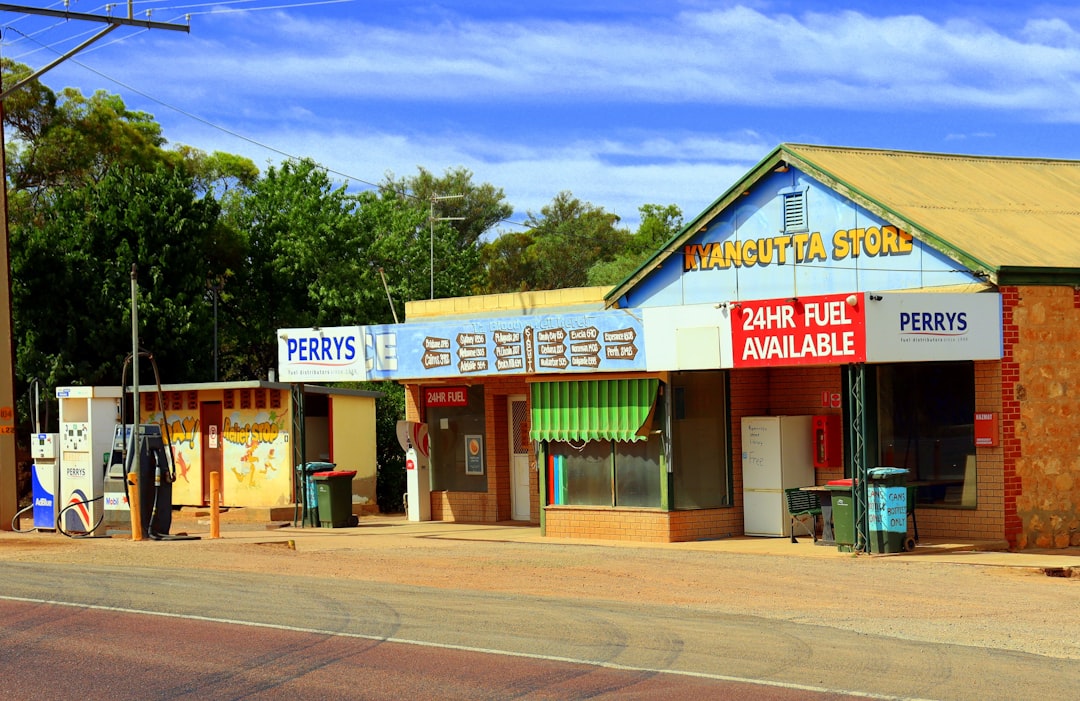
Regional Australians are taking on extra work and using buy-now-pay-later services to afford fuel as prices surge past $3 per litre in some areas, highlighting the disproportionate impact on rural communities with limited public transport alternatives.
This is the hidden cost of Australia's fuel vulnerability, mate. Regional workers don't have the option to take a train - they drive or they don't work. Using Afterpay for petrol is a sign of genuine hardship, not poor financial planning.
The ABC reported stories of commuters taking second jobs just to cover fuel costs, rationing their driving, and choosing between filling the tank and buying groceries. These aren't edge cases - they're increasingly common scenarios in regional Australia as fuel prices spike.
One Queensland worker told reporters she's now using Afterpay to pay for fuel because her fortnightly budget can't absorb the price increases. "I need the car to get to work, but I can't afford $100 fill-ups twice a week," she said. "So I split it across pay cycles and hope the price comes down."
Using buy-now-pay-later for fuel is particularly concerning because it indicates people are already stretched to their financial limits. Unlike discretionary purchases, fuel is a necessity for regional workers. If they're financing it through Afterpay, there's no financial buffer left.
The geographic inequality is stark. Urban Australians can complain about petrol prices, but many have public transport options or shorter commutes. Regional Australians often drive 50-100 kilometers daily just to get to work, and there's no alternative. When fuel prices double, their essential living costs double.
This also exposes the limitations of federal government fuel excise policies. Cutting a few cents per litre helps, but it doesn't address the fundamental vulnerability of regional communities to global fuel price shocks. They need structural solutions - better public transport, remote work options, or regional fuel security - not marginal tax relief.
The second jobs phenomenon is equally troubling. People are working additional shifts not to get ahead, but simply to maintain their existing standard of living. That's not economic growth - it's economic survival.
Politically, this creates pressure on the government to intervene more aggressively. Regional seats are often marginal, and voters experiencing genuine fuel hardship are unlikely to accept as an adequate response. They want relief, and they want it now.