Here's a sentence I didn't expect to write in 2026: a broadcast network sitcom is becoming a genuine cultural phenomenon. The Fall and Rise of Reggie Dinkins saw its pilot ratings jump more than 100% since premiere night, reaching nearly 13 million total viewers once you factor in delayed viewing and streaming. That's real, actual broadcast TV success.
For context: broadcast television has been on life support for years. Streamers killed the traditional sitcom. Appointment viewing became quaint. The idea that a network comedy could build word-of-mouth momentum felt nostalgic, like rotary phones or video stores. But Reggie Dinkins is doing exactly that.
So what's the secret? Start with the premise: a washed-up former athlete (played with surprising depth by Malcolm Barrett) tries to rebuild his life after a public scandal. It's got the structure of classic network TV—30 minutes, laugh track, warm-hearted resolutions—but with sharper writing and more emotional honesty than most broadcast comedies attempt.
The show debuted quietly in February with decent but not spectacular numbers. Then something unexpected happened: people started talking about it. Not on social media (where everything trends for 12 hours then vanishes), but actual word-of-mouth. Parents telling other parents. Coworkers discussing episodes at lunch. The kind of organic buzz you can't manufacture.
According to Variety, the pilot's viewership has more than doubled since it first aired, an almost unheard-of trajectory in an era where most shows lose viewers every week. Delayed viewing, streaming on the network app, and DVR numbers all contributed. Turns out people still watch broadcast TV—they just watch it on their own schedule.
Can Reggie Dinkins "save" broadcast television? No. One show can't reverse a decade-long structural decline. But it can prove that broadcast still has advantages streaming doesn't: accessibility (it's free), simplicity (no subscription required), and a format that actually works for family viewing.
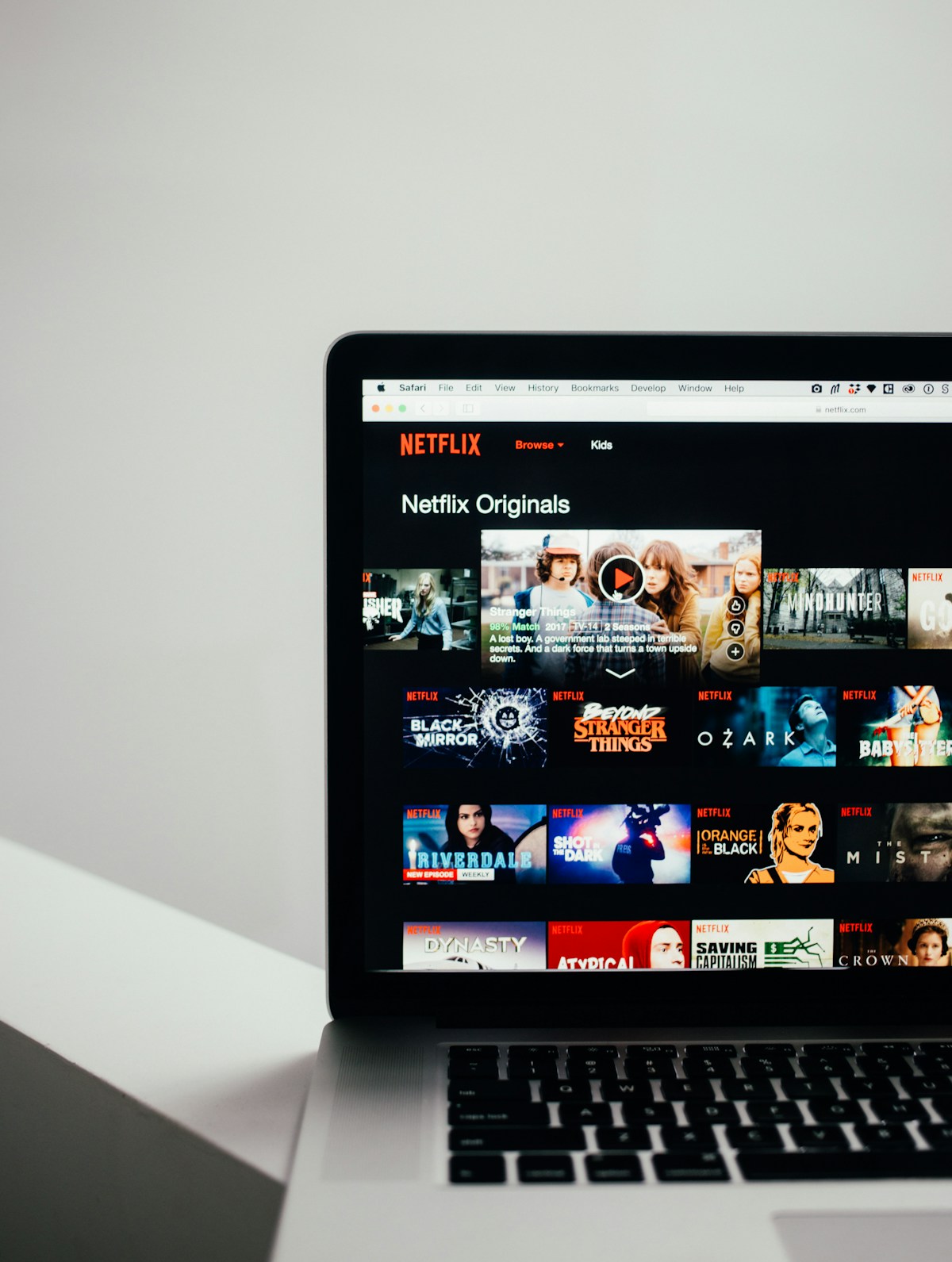
The show also benefits from zero competition. Netflix, Apple TV+, and aren't making traditional sitcoms anymore. They're too busy spending $200 million on sci-fi epics and prestige dramas. fills a gap the streaming giants abandoned—comfort food TV that's genuinely funny and emotionally satisfying.