
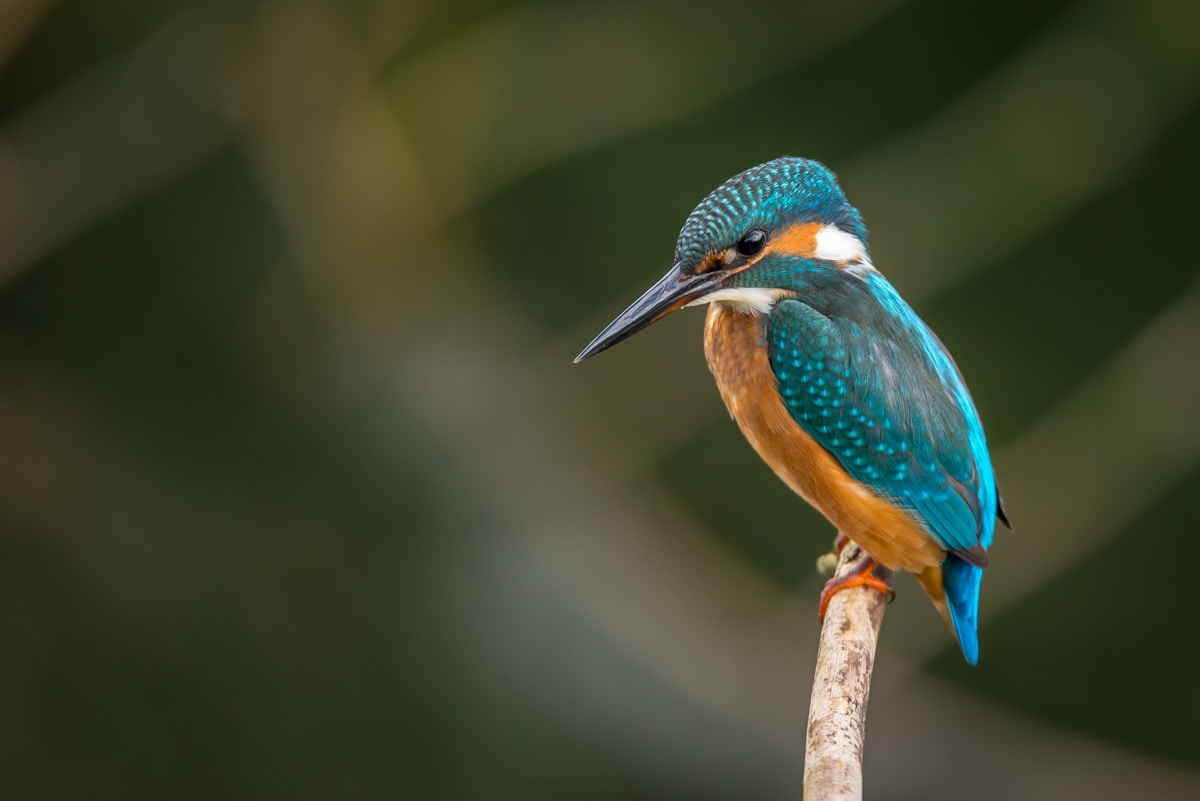
A piping plover—one of North America's rarest and most imperiled shorebirds—recently appeared at a restored coastal marsh in Michigan, offering powerful evidence that habitat restoration efforts can create refuges for species teetering on the edge of extinction.
The sighting at the Michigan wetland represents more than a fleeting visit from a rare bird. It demonstrates that carefully executed restoration work can recreate the conditions threatened species need to survive and potentially thrive. For conservationists who have spent years rebuilding degraded marshlands, this arrival validates their approach: if you restore it, they will come.
Piping plovers, small sand-colored shorebirds with distinctive black bands across their foreheads, number only around 8,000 individuals across their entire range. The species has faced relentless pressure from habitat loss, coastal development, human disturbance, and climate-driven shoreline changes. Listed as endangered in the Great Lakes region, these birds require specific conditions: sandy or gravelly beaches, shallow water for feeding, and minimal human interference during their sensitive nesting season.
The Michigan marsh where the plover appeared underwent extensive restoration in recent years. Conservation crews removed invasive plant species, reestablished native vegetation, created shallow water features that mimic natural coastal wetland hydrology, and installed protective barriers to reduce human disturbance. These techniques—proven effective in other Great Lakes restoration projects—transformed a degraded site into functioning habitat.
What makes this sighting particularly significant is its demonstration of ecological connectivity. Piping plovers migrate between breeding grounds on northern beaches and wintering areas along the Atlantic and Gulf coasts. Restored wetlands serve as critical stopover sites where exhausted birds can rest and refuel during their journeys. Without these stepping stones, migration becomes a gauntlet of survival.
The success also highlights a broader conservation principle: species recovery requires landscape-scale thinking. Protecting a single beach isn't enough when birds need networks of suitable habitat across their entire range. The Michigan restoration is part of a larger effort to create habitat corridors along the Great Lakes shoreline, recognizing that conservation works best when sites connect rather than isolate.
Other species have benefited from the restoration as well. Observers have documented increased waterfowl use, the return of native fish species to newly created shallow-water nursery areas, and recovering populations of specialized wetland plants. This cascade of ecological recovery demonstrates that habitat restoration benefits entire communities, not just single species.
The techniques used in Michigan are replicable. Hydrological restoration—ensuring water flows naturally through wetlands—provides the foundation. Native plant establishment creates food sources and cover. Controlling invasive species prevents ecological domination by non-native plants that offer little value to native wildlife. And perhaps most importantly, managing human access reduces disturbance during sensitive periods.
Similar restoration successes are emerging across North America. Whooping cranes have returned to restored wetlands in Wisconsin. Black-footed ferrets are recolonizing restored prairie in South Dakota. Salmon are spawning again in Pacific Northwest streams where dam removals and habitat work have reopened access to historical breeding grounds. Each success reinforces the same lesson: restoration works when done right.
Yet challenges remain substantial. Climate change is altering water levels in the Great Lakes, potentially flooding or desiccating restored sites. Funding for long-term monitoring and adaptive management remains inconsistent. And the pace of habitat restoration still lags far behind the rate of degradation and loss.
The piping plover's visit to Michigan won't single-handedly save the species from extinction. Recovery will require decades of sustained effort, protection of existing habitats, continued restoration work, and addressing climate threats. But this sighting offers something conservation desperately needs: proof that effort matters.
In nature, as across ecosystems, every species plays a role—and humanity's choices determine whether the web of life flourishes or frays. The appearance of one of North America's rarest birds at a restored marsh demonstrates that when we choose to invest in nature's recovery, life responds. The marsh that was dying a decade ago now hosts species that had vanished. That's not just conservation success—it's ecological hope made tangible.
For communities considering whether habitat restoration is worth the investment, the answer just flew in on small, determined wings.