As heatwaves breach human physiological survival thresholds across multiple continents, wildlife populations face an even grimmer reality: no escape, no technology, no refuge. While humans retreat to air-conditioned spaces, animals across ecosystems are dying in catastrophic numbers, signaling the unraveling of ecological systems that lack adaptive infrastructure.
A new study documents how extreme heat events now routinely exceed the wet-bulb temperature threshold—the point where humidity combines with heat to prevent mammalian bodies from cooling through evaporation. For humans, this means deadly conditions even in shade with unlimited water. For wildlife, it means mass mortality events are becoming the new normal.
The ecological carnage is already visible. In Australia, extreme heat killed more than one-third of spectacled flying fox populations during recent heatwaves, with thousands of bats literally falling dead from trees when temperatures exceeded their thermal tolerance. In India, heat has killed hundreds of endangered vultures in single events. Across the American Southwest, researchers document entire populations of bird species abandoning traditional ranges as temperatures make survival impossible.
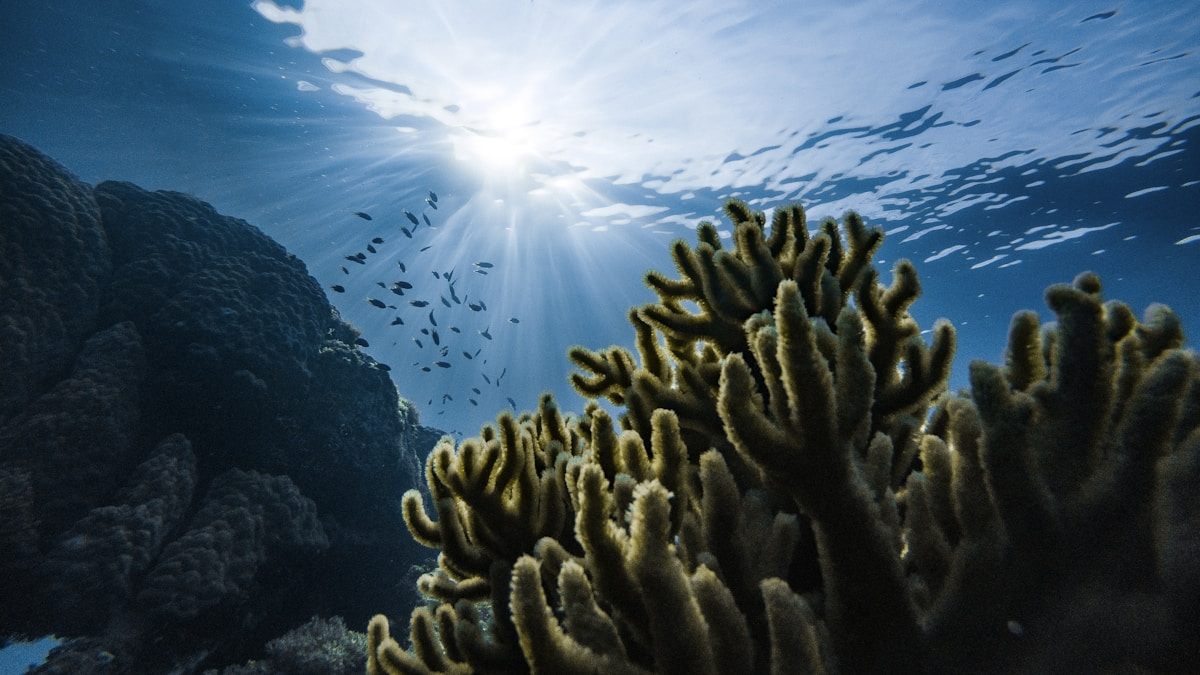
Aquatic ecosystems face particularly severe impacts. Fish, unable to regulate body temperature independently, die when water temperatures rise beyond species-specific thresholds. Salmon populations across the Pacific Northwest have experienced catastrophic mortality during heat-driven low flows and warm water events. Coral reefs—already stressed by ocean acidification—are experiencing mass bleaching events at frequencies that prevent recovery, effectively killing reef systems that support twenty-five percent of marine species.
The cascading effects ripple through food webs. When heat waves kill flying foxes, pollination networks collapse. When soil invertebrates die from heat stress, nutrient cycling falters. When aquatic insects vanish from overheated streams, the birds, fish, and amphibians that depend on them starve. Ecosystems evolved over millennia are .