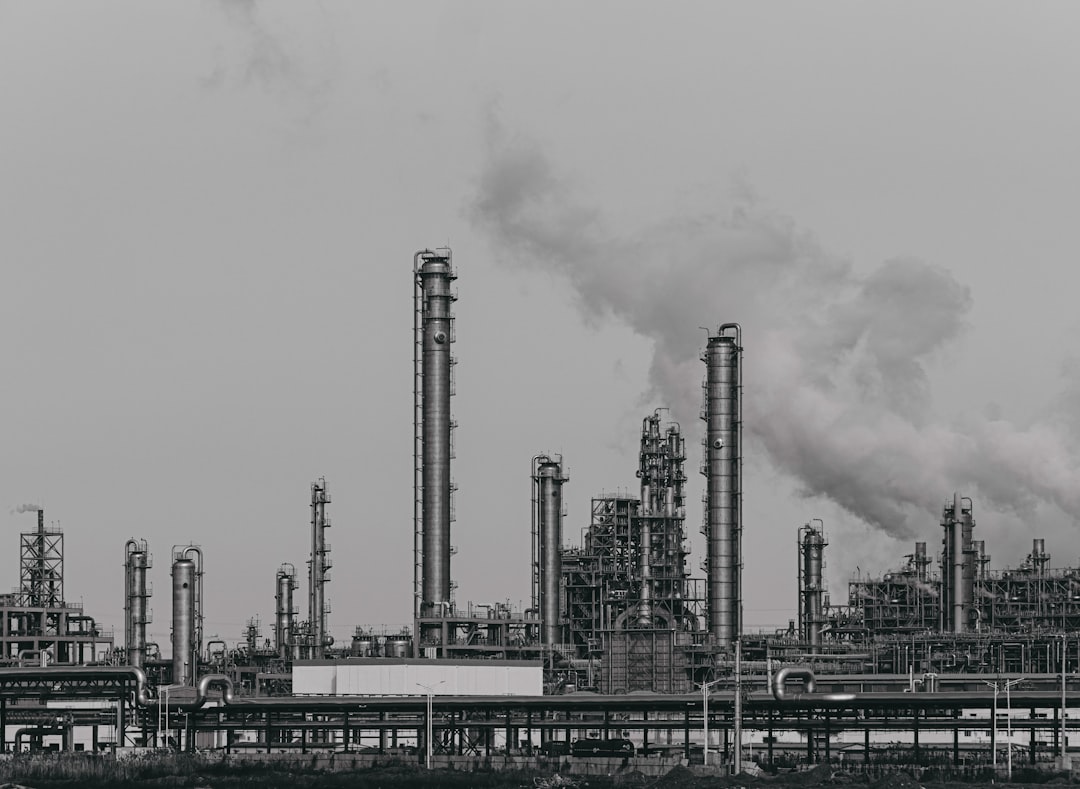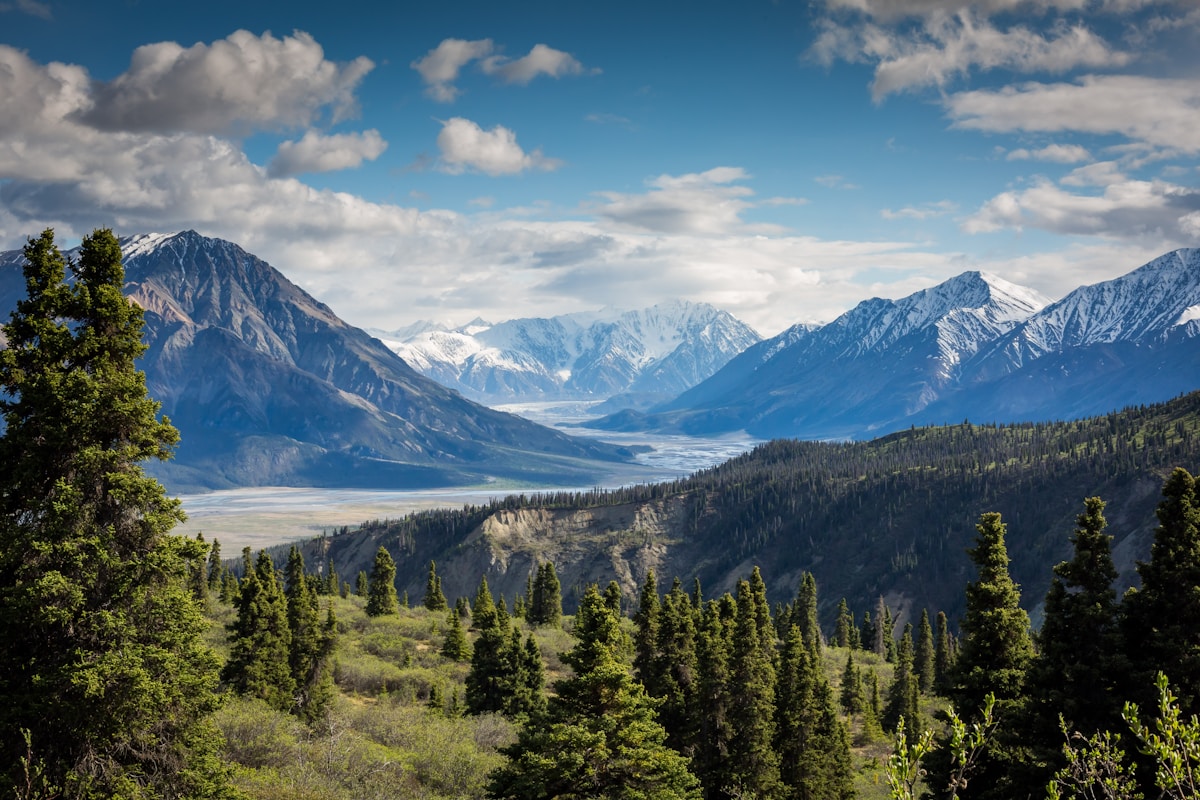
Trekkers on Uttarakhand's Dhakuri Trek witnessed an unusual natural phenomenon this month: 1-2 feet of fresh snow alongside blooming red Buransh (rhododendron) flowers—a convergence locals say is extremely rare.
"It felt like watching two seasons meet in the Himalayas—winter and spring, together on one trail," the trekker wrote in a post to r/backpacking that included striking video footage of bright red blossoms standing out against white snow.
The visual spectacle has drawn attention not just for its beauty, but for what it suggests about shifting weather patterns in mountain regions. Rhododendrons typically bloom as snow melts and temperatures rise in spring. Heavy snowfall in the same period indicates unusual atmospheric conditions—either late winter storms or unseasonably cold spring weather.
Climate researchers studying the Himalayas have documented increasing weather variability in recent years, with traditional seasonal patterns becoming less predictable. Glacial melt rates are accelerating, monsoon timing is shifting, and extreme weather events—both cold snaps and heat waves—are occurring with greater frequency.
For adventure travelers, this unpredictability creates both opportunity and risk. On one hand, rare weather phenomena can produce once-in-a-lifetime landscapes and photographic opportunities. On the other, unexpected conditions can create genuine danger—trails become impassable, avalanche risk increases, and trekkers may find themselves under-equipped for conditions that weren't forecast.
The Dhakuri Trek, part of the larger Kedarnath pilgrimage route in Uttarakhand, typically draws trekkers from March through June as weather warms and high-altitude trails become accessible. Snow this late in the season would have been unusual a decade ago; now it's part of a broader pattern of erratic mountain weather.
Trekkers planning Himalayan trips should:
• Pack for extreme variability – bring layers for both warm and freezing conditions, even in "shoulder season" • Check recent trip reports – conditions can change week-to-week; rely on current traveler accounts, not guidebook generalizations • – weather may force route changes or delays • – they understand microclimates and can read weather signs that aren't in forecasts • – extra food, emergency blanket, and communication devices for unexpected weather