South Africa has left R336 million budgeted for early childhood nutrition unspent for two years while thousands of young children face malnutrition and stunting—a governance failure that reveals the persistent gap between policy commitments and implementation.
The pilot program, intended to provide nutrition support to early childhood development centres, was allocated R197 million in 2024/25, increased to R336 million in 2025/26, and reached R772 million for 2026/27. Yet according to reporting by Daily Maverick, the Department of Basic Education has spent virtually none of it, finally publishing a tender only on March 13, 2026.
The department attributed delays to "programme design, institutional alignment and procurement preparation"—bureaucratic language that offers little comfort to families struggling to feed their children. Civil society organizations pointed to a failed attempt to merge the program with the existing National School Nutrition Programme, and noted that separate units within the department operated in "silos" with limited information-sharing.
"Money that is allocated to young children means nothing unless it reaches the young child," said advocate Tshepo Mantjé, emphasizing that "children are continuing to be stunted and malnourished" while officials navigate bureaucratic obstacles.
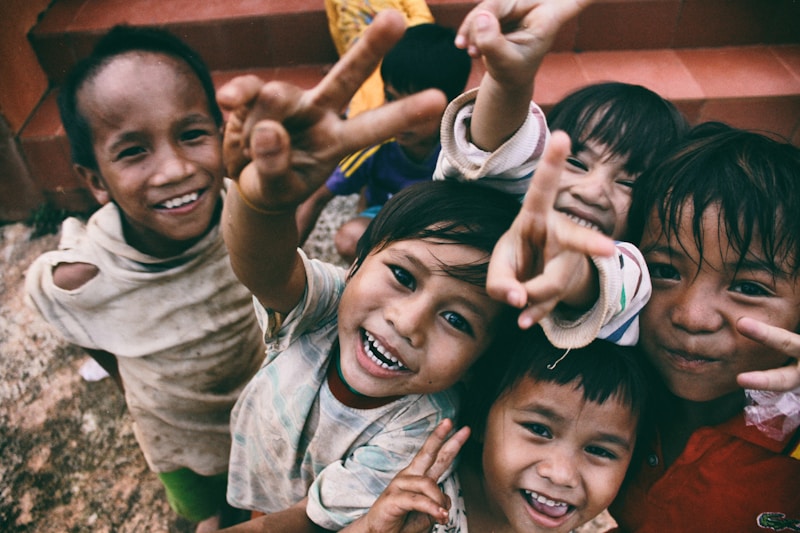
ECD centre operator Theodora Lutuli described the impact in stark terms: proper nutrition prevents "severe damage to this child, not only cognitively but developmentally." Current funding provides just R9.60 per child daily for two meals and a snack—inadequate to meet developmental needs during the critical early years.
In South Africa, as across post-conflict societies, the journey from apartheid to true equality requires generations—and constant vigilance. Three decades after apartheid's end, child malnutrition rates remain stubbornly high, concentrated in historically marginalized communities that were systematically denied resources under white minority rule.