
Nigeria has deposited digital records of its cultural heritage in an Arctic vault beneath a mountain in Svalbard, Norway, joining nations worldwide in safeguarding irreplaceable historical materials against climate change, conflict, and digital decay.
The deposit to the Arctic World Archive, reported by The Guardian, includes digitized manuscripts, historical documents, and cultural records that tell the story of Africa's most populous nation. The materials are stored on specialized film designed to last for centuries, protected deep within a decommissioned coal mine near the North Pole.
For Nigeria, the preservation effort represents more than just safeguarding old documents—it's about taking control of the national narrative. For too long, African history was written and preserved primarily by colonial powers, often stored in European museums and archives. This initiative puts Nigerian heritage preservation in Nigerian hands.
"This is about ensuring that future generations of Nigerians can access their own history, told from our perspective," noted cultural preservation advocates. The irony is not lost on participants: Nigeria, a nation vulnerable to climate change impacts, is storing its heritage in the Arctic—a region warming faster than anywhere else on Earth.
The materials Nigeria chose to preserve offer insights into what the nation considers essential to its identity. While specific contents have not been fully disclosed, preservationists suggest the collection likely includes historical manuscripts from various Nigerian kingdoms, documentation of Nigeria's diverse linguistic heritage—the country has over 500 languages—and records from the colonial and independence periods.
In Nigeria, as across Africa's giants, challenges are real but entrepreneurial energy and cultural creativity drive progress. The Arctic vault project demonstrates Nigerian foresight in protecting cultural assets while the nation simultaneously builds its tech sector and economic future. Lagos startups may be creating Nigeria's digital tomorrow, but understanding Nigeria's complex past remains crucial.
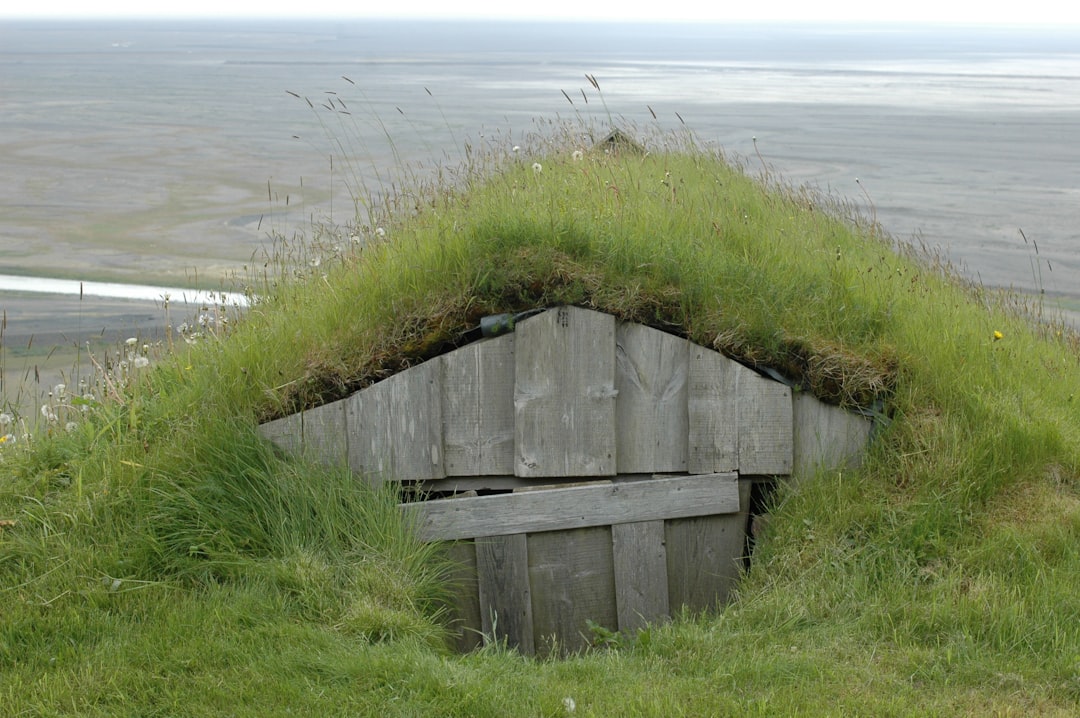
The Svalbard facility, located on a remote Norwegian archipelago, was chosen for its geological stability, permafrost environment, and distance from geopolitical conflicts. The vault already houses historical records from dozens of nations, as well as the famous Global Seed Vault that preserves crop diversity.
Nigeria's cultural preservation efforts come as the nation grapples with how to protect heritage sites and artifacts domestically. The Benin Bronzes—thousands of metal plaques and sculptures looted during British colonial rule—remain scattered across European and American museums, though some institutions have begun repatriation processes. Nigeria's National Commission for Museums and Monuments has advocated for both international returns and improved domestic preservation infrastructure.
The digital preservation approach sidesteps some of the physical security challenges facing museums and archives in Nigeria, where infrastructure gaps, funding constraints, and occasional conflict threaten historical materials. By creating secure off-site backups, Nigeria ensures that even if domestic copies are damaged or destroyed, the historical record survives.
Other African nations have also deposited materials in the Arctic vault, reflecting continent-wide recognition that cultural preservation requires both local and global strategies. The approach acknowledges that Africa's heritage belongs to Africans but may need protection in locations far from home.
As climate change accelerates and digital technologies evolve, the Arctic World Archive represents a bet on analog preservation in an increasingly digital world. The specialized film used in the vault doesn't require electricity, software updates, or format migrations—it simply preserves information for centuries in frozen storage.
For Nigeria's 200+ million people, particularly the nation's youth-dominated population, the Arctic vault deposit connects past and future. Understanding Nigerian history—from ancient kingdoms through colonialism to independence and beyond—remains essential for the young, educated population building Nigeria's next chapter.