Queenstown's mayor has declared that pumping wastewater into the Kawarau River is the "only option" for the tourist town, a statement that's sparked outrage among environmental groups and raised questions about the costs of unchecked tourism growth.
According to Radio New Zealand, Queenstown faces a wastewater crisis as its treatment infrastructure struggles to keep pace with the region's explosive growth. The town has transformed from a quiet mountain settlement into an international tourism destination, with visitor numbers that can exceed the permanent population several times over.
The proposed solution: discharge treated wastewater into the Kawarau River, one of New Zealand's iconic waterways. The mayor argues the treatment will meet environmental standards and that alternatives are prohibitively expensive or logistically impossible.
Mate, "only option" usually means "cheapest option we're willing to consider." There are always other options if you're willing to pay for them.
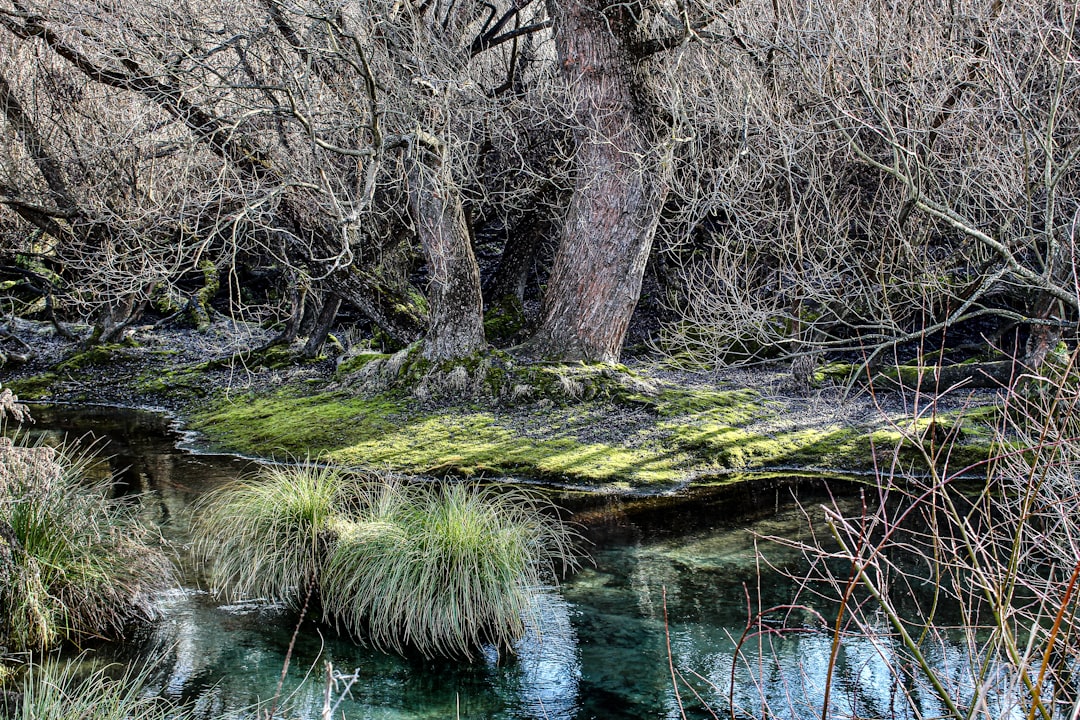
Environmental groups are furious. The Kawarau River is prized for its water quality and supports recreational activities including swimming, kayaking, and jet boating. It's also culturally significant to local Māori. Turning it into a wastewater receiving environment, even with treatment, represents a fundamental change in how the river is valued.
The core problem is that Queenstown has been allowed to grow far faster than its infrastructure can support. Property developers and tourism operators have profited enormously, while the cost of managing that growth's environmental impact gets passed to ratepayers or, in this case, the river ecosystem.
Other tourism destinations have faced similar challenges. struggles with sewage from millions of tourists. Alpine resorts across grapple with water treatment in remote locations. But markets itself as a brand promise that seems increasingly hollow when tourist towns start using rivers as waste disposal.