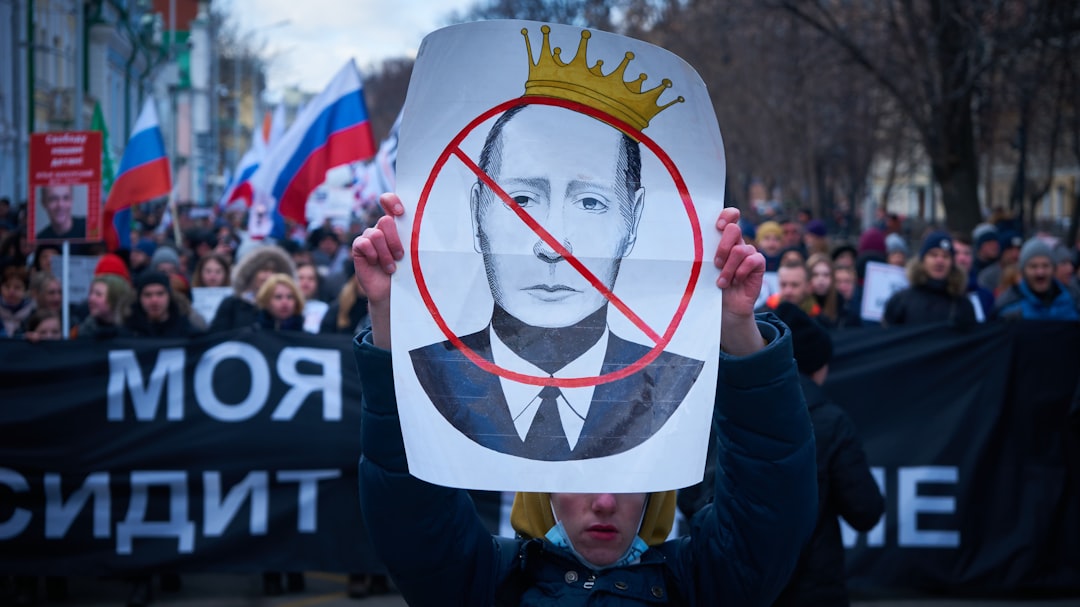
Russian President Vladimir Putin's approval rating has dropped to its lowest point since before the 2022 invasion of Ukraine, according to data from Russia's state-run pollster VCIOM. The decline comes amid economic pressures from Western sanctions and mounting casualties in the ongoing conflict, suggesting potential cracks in domestic support for the Kremlin's military campaign.
VCIOM reported Thursday that Putin's approval rating stands at 61.2%, down from a peak of 83.4% recorded in March 2022, shortly after Russian forces invaded Ukraine. The current figure represents the lowest level of support since January 2022, when Putin's approval hovered around 63% amid growing international warnings about Russian military buildup near the Ukrainian border.
Even Russia's state pollsters cannot hide the numbers anymore. I have covered authoritarian states long enough to know that when official approval ratings fall, the real numbers are far worse. Independent polling in Russia is effectively impossible—the Kremlin has shut down or intimidated independent survey organizations—but the fact that VCIOM, which operates under Kremlin supervision, is reporting declining support suggests the true extent of disillusionment may be severe.
To understand today's headlines, we must look at yesterday's decisions. When Putin launched the invasion in February 2022, most Russians rallied around the flag in a surge of nationalist fervor. State television portrayed the operation as a limited intervention to protect Russian speakers in Donbas from Ukrainian "fascists." The Kremlin predicted victory within weeks.
Four years later, the war grinds on with no end in sight. Russian casualties are estimated by Western intelligence agencies to exceed 400,000 killed and wounded. The economy, while not collapsing, has been fundamentally reshaped by sanctions that have cut Russia off from Western markets and technology. Inflation has eroded living standards, particularly outside major cities like and .